Alphabet Learning Activities for Toddlers and Kids

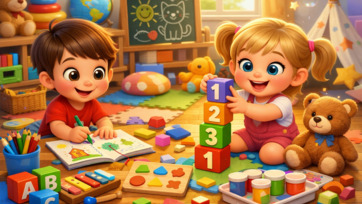
Alphabet learning is one of the most important milestones in early childhood education. Alphabet learning activities for toddlers and kids help children recognize letters, understand sounds, and prepare for reading and writing. When alphabet learning is introduced through play, creativity, and daily routines, children stay curious, motivated, and confident.

This article shares fun, practical, and age-appropriate alphabet activities that parents and teachers can easily use at home or in early learning settings.


Why Alphabet Learning Is Important for Young Children:

Alphabet learning builds the foundation of literacy and language development.

Key benefits include:

  • Letter recognition and memory building

  • Early phonics and sound awareness

  • Vocabulary growth

  • Reading and writing readiness

  • Improved focus and confidence

A strong understanding of letters makes future learning easier and more enjoyable.


Alphabet Learning Activities for Toddlers:

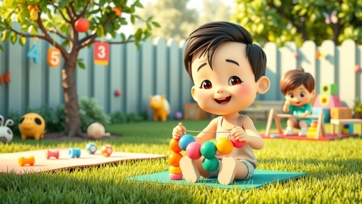
Toddlers learn best through sensory experiences and repetition.

Simple Activities:

  • Singing alphabet songs with actions

  • Pointing to letters in picture books

  • Naming letters during playtime

  • Using soft alphabet toys and blocks

Animated learning content from boobacartoon.com helps toddlers connect letters with sounds and visuals in an engaging way.


Alphabet Learning Activities for Preschool Kids:

Preschoolers are ready for slightly structured alphabet practice.

Activities:

  • Matching uppercase and lowercase letters

  • Identifying beginning sounds of words

  • Tracing letters with crayons or markers

  • Sorting objects by starting letter

These activities strengthen letter recognition and early phonics skills.


Hands-On Alphabet Learning Activities:

Tactile learning helps children remember letters more effectively.

Ideas:

  • Forming letters using playdough or clay

  • Writing letters in sand, rice, or flour

  • Building letters with sticks or blocks

  • Using magnetic letters on the refrigerator

Hands-on activities improve fine motor skills and letter formation.


Alphabet Games for Fun Learning:

Games make alphabet practice exciting and interactive.

Examples:

  • Alphabet treasure hunt around the house

  • Letter bingo or matching card games

  • “I Spy” letter sound games

  • Alphabet hopscotch

Game-based learning increases attention span and engagement.


Learning Alphabet Through Daily Activities:

Daily routines provide many opportunities for alphabet practice.

Ideas:

  • Reading letters on food packages

  • Labeling toys and household items

  • Asking children to spot letters outdoors

  • Reading book titles and signs together

Real-life exposure helps children understand that letters are everywhere.


Creative Alphabet Arts and Crafts:

Creativity supports memory and imagination.

Activities:

  • Decorating letters with stickers and colors

  • Making alphabet collages using magazines

  • Painting letters with sponges or brushes

  • Creating letter puppets

Arts and crafts turn alphabet learning into a fun experience.


Alphabet Learning Through Stories and Books:

Books play a major role in letter recognition.

Best Practices:

  • Read alphabet books daily

  • Point to letters while reading

  • Ask children to identify familiar letters

  • Re-read favorite books for confidence

Story-based learning improves comprehension and interest in reading.


Using Digital Resources for Alphabet Learning:

Digital tools can support alphabet learning when used wisely.

  • learn-kids.com – Interactive alphabet games and exercises

  • keekan.com – Fun and adaptive alphabet activities

  • kidtoys.site – Educational toys that support letter recognition

Digital learning should always complement hands-on activities.


Tips for Parents and Teachers:

  • Keep learning sessions short and playful

  • Introduce only a few letters at a time

  • Repeat letters regularly in conversation

  • Praise effort and progress

  • Avoid pressure or comparison

Positive reinforcement builds confidence and motivation.


Creating an Alphabet-Rich Environment:

A supportive environment encourages continuous learning.

Simple Steps:

  • Display alphabet charts at eye level

  • Keep letter books and toys accessible

  • Talk about letters during daily routines

  • Encourage children to ask questions

Consistency helps children absorb alphabet concepts naturally.


Common Alphabet Learning Challenges and Solutions:

Some children may take longer to recognize letters.

Solutions:

  • Repeat activities without pressure

  • Use different learning methods

  • Focus on sounds before letter names

  • Celebrate small achievements

Patience and encouragement lead to steady improvement.


Final Thoughts:

Alphabet learning activities for toddlers and kids are essential for building strong literacy skills. By combining songs, games, hands-on activities, creative crafts, daily routines, and digital tools, parents and teachers can make alphabet learning enjoyable and effective.

The goal is to help children recognize letters, understand sounds, and develop a love for learning, creating a strong foundation for reading success and lifelong curiosity.

Advertisement
How Parents Can Guide Kids Without Pressure in 2026
Parenting in 2026 requires a delicate balance between guidance and freedom. While technology and modern education provide numerous opportunities, many children feel stressed when parents impose too many rules or expectations. Learning how parents can guide kids without pressure is key to fostering independence, curiosity, and a love for learning. Why Guiding Without Pressure Matters: Excessive pressure can lead to: Anxiety and stress in children. Reduced curiosity and creativity. Resistance to learning and online safety rules. Negative screen habits and avoidance of constructive tasks. By encouraging balanced guidance, parents can help children explore learning, play, and digital content safely, with platforms like learn.universitiesforllm.com, boobacartoon.com, and kidtoys.site. Common Signs of Pressure: Children avoiding tasks or hiding mistakes. Complaints about too much screen or study rules. Frequent frustration or emotional outbursts. Resistance to co-learning or educational platforms. Recognizing these signs helps parents adjust their approach. Strategies to Guide Kids Without Pressure: 1. Set Clear Yet Flexible Guidelines: Establish basic rules for screen time, study, and play, but allow flexibility. Use parental controls subtly to encourage safe habits without constant monitoring. Let children choose educational content on learn.universitiesforllm.com or safe cartoons on boobacartoon.com. 2. Encourage Exploration: Provide a variety of activities—offline puzzles, creative play from kidtoys.site, and online learning experiences. Allow children to experiment, make mistakes, and learn at their own pace. Praise effort and curiosity rather than only results. 3. Communicate Openly: Discuss why certain rules exist and listen to children’s opinions. Use storytelling or real-life examples to explain safety, learning, and creativity. Encourage children to ask questions and express preferences. 4. Model Balanced Digital Habits: Demonstrate responsible screen use and offline engagement. Participate in co-learning or shared play to show guidance is supportive, not controlling. Rotate between educational and recreational content to maintain variety. 5. Reward Positive Choices: Recognize efforts to follow screen rules, complete learning activities, or engage creatively. Use verbal praise, extra playtime, or co-learning activities as encouragement. Focus on intrinsic motivation rather than fear of punishment. 6. Gradually Introduce Responsibility: Allow older children to set small goals or manage their own learning schedule. Guide without micromanaging by letting them pick safe apps, games, and videos. Encourage self-regulation over strict monitoring. 7. Foster a Supportive Environment: Create a home environment that values learning, creativity, and curiosity. Mix safe online platforms like learn.universitiesforllm.com with offline educational toys and storytelling from kidtoys.site. Encourage exploration without criticism to build confidence. Conclusion: Guiding children without pressure in 2026 is about creating a supportive, flexible, and engaging learning environment. By balancing rules with freedom, encouraging curiosity, and providing safe digital platforms like learn.universitiesforllm.com, entertaining educational content on boobacartoon.com, and interactive play from kidtoys.site, parents can nurture independent, confident, and well-rounded children. Open communication, patience, and guidance without strict enforcement help children enjoy learning, develop healthy digital habits, and embrace both online and offline exploration.
Advertisement
Best Educational Cartoons for Kids in 2025
A Complete Parent’s Guide to Safe, Smart & Fun Learning In 2025, educational cartoons for kids have become an essential part of early learning. Parents today are more aware of what their children watch and actively search for safe educational cartoons that provide real learning benefits. The best educational cartoons for kids in 2025 combine fun, creativity, and education in a way that helps children develop important life skills. Modern learning cartoons for kids are designed to improve language development, critical thinking, emotional intelligence, and social skills. Instead of passive screen time, these cartoons turn entertainment into a productive learning experience for toddlers and young children. Why Educational Cartoons Are Important for Children Educational cartoons play a key role in early childhood education. Children naturally learn through visual storytelling, music, and repetition. Well-made educational cartoons help kids understand numbers, letters, colors, shapes, and everyday routines. Parents looking for safe cartoons for kids prefer content that teaches good behavior, kindness, teamwork, and problem-solving. In 2025, educational cartoons are also helping children improve communication skills and emotional awareness, which are essential for healthy development. What Makes a Cartoon Truly Educational Not every cartoon labeled “educational” actually helps children learn. The best educational cartoons for kids focus on clear learning goals and age-appropriate content. These cartoons use simple language, slow pacing, and repetition so children can understand and remember information. High-quality learning cartoons encourage curiosity, creativity, and thinking instead of overstimulation. They avoid violence, inappropriate language, and fast-paced scenes that can negatively affect young minds. Bluey – Learning Through Family and Imagination Bluey is one of the best educational cartoons for kids in 2025. The show focuses on family life, imagination, and emotional intelligence. Through simple stories, children learn empathy, communication, patience, and problem-solving. Parents appreciate Bluey because it teaches positive values while remaining entertaining. It is especially helpful for children learning social skills and emotional expression. Cocomelon – Best Educational Cartoon for Toddlers Cocomelon remains one of the most popular educational cartoons for toddlers. It uses songs and repetition to teach alphabets, numbers, colors, and daily habits such as brushing teeth and sharing. This learning cartoon is ideal for very young children because of its slow pace, bright visuals, and simple language. Parents searching for early learning cartoons for toddlers often choose Cocomelon for its safety and educational value. Blippi – Encouraging Curiosity and Exploration Blippi is a highly popular educational cartoon that focuses on real-world learning. Children are introduced to vehicles, machines, animals, colors, and everyday places in an engaging way. This cartoon encourages curiosity and exploration, making it perfect for children who enjoy learning about how things work. Parents often consider Blippi one of the best educational YouTube cartoons for kids in 2025. Peppa Pig – Language and Social Development Peppa Pig helps children improve vocabulary, sentence formation, and communication skills. The cartoon focuses on family life, friendships, and everyday situations that children can easily relate to. Many parents use Peppa Pig as an educational cartoon to support early language learning and social behavior. Its simple dialogue makes it easy for children to follow and understand. Numberblocks – Best Cartoon for Math Learning Numberblocks is one of the best math learning cartoons for kids. It introduces numbers, counting, addition, subtraction, and problem-solving in a fun and creative way. Children learn math concepts visually, which helps them understand and remember numbers better. Parents searching for educational cartoons that teach math often choose Numberblocks. Alphablocks – Building Reading and Phonics Skills Alphablocks focuses on letter sounds, phonics, spelling, and early reading skills. It is widely recommended for children learning how to read. This educational cartoon helps kids recognize letters and understand how sounds form words, making it one of the best learning cartoons for literacy development in 2025. Daniel Tiger’s Neighborhood – Emotional and Social Learning Daniel Tiger’s Neighborhood teaches children how to manage emotions, share, be patient, and express feelings in a healthy way. The show uses music and repetition to reinforce positive behavior. Parents who want educational cartoons that focus on emotional development often choose this show for their children. Sesame Street – A Complete Educational Cartoon Sesame Street continues to be one of the most trusted educational cartoons for kids. It covers literacy, math, science, diversity, and emotional intelligence. This cartoon has adapted to modern learning needs while maintaining its educational foundation, making it relevant even in 2025. Screen Time Tips for Parents in 2025 Even the best educational cartoons should be watched in moderation. Experts recommend balancing screen time with outdoor play, reading, and family interaction. Parents searching for safe screen time solutions for kids should focus on quality educational content instead of long hours of watching. Watching cartoons together and discussing lessons can increase learning benefits. How to Choose the Right Educational Cartoon for Your Child Every child learns differently, so parents should choose educational cartoons based on their child’s age, interests, and learning needs. Mixing different types of learning cartoons helps children develop multiple skills. The best educational cartoons for kids in 2025 support learning while keeping children engaged, curious, and happy. Final Thoughts Educational cartoons have become powerful learning tools when used correctly. The best educational cartoons for kids in 2025 help children learn important skills while enjoying safe and meaningful entertainment. By choosing the right learning cartoons, parents can turn screen time into a positive and educational experience that supports long-term child development
Positive Discipline Techniques for Parents: A 2026 Guide
Discipline is essential for guiding children, but traditional punishment-based approaches can harm self-esteem and motivation. In 2026, parents are encouraged to use positive discipline techniques that promote learning, respect, and emotional growth. Why Positive Discipline Matters: Encourages children to make responsible choices. Builds self-esteem and emotional intelligence. Strengthens parent-child relationships. Teaches problem-solving and social skills. Platforms like learn.universitiesforllm.com, interactive storytelling on boobacartoon.com, and hands-on activities from kidtoys.site can reinforce positive behavior in fun and constructive ways. Core Principles of Positive Discipline: 1. Focus on Teaching, Not Punishing: Guide children to understand consequences rather than instilling fear. Use real-life examples or story-based lessons from boobacartoon.com. 2. Be Consistent: Apply rules consistently so children know expectations. Predictable routines help children understand boundaries. 3. Encourage Problem-Solving: Allow children to identify solutions when challenges arise. Role-playing, interactive games, or building activities from kidtoys.site reinforce problem-solving skills. 4. Use Positive Reinforcement: Praise effort, cooperation, and constructive behavior. Reward progress with small incentives or fun activities. 5. Set Clear and Realistic Expectations: Age-appropriate rules help children succeed without frustration. Clear communication reduces confusion and behavioral issues. 6. Model Respectful Behavior: Children imitate parents’ words and actions. Demonstrate calm conflict resolution and empathy. 7. Encourage Reflection: After a misbehavior, discuss what happened, how it made others feel, and better choices for the future. Interactive digital scenarios on learn.universitiesforllm.com can help children reflect safely. 8. Maintain Emotional Connection: Spend quality time with children, showing care and attention. A strong emotional bond increases responsiveness to guidance. Practical Tips for Parents: Use story-based apps like boobacartoon.com to teach social skills and consequences. Incorporate hands-on activities from kidtoys.site to practice patience, sharing, and cooperation. Set up structured learning and reflection sessions with learn.universitiesforllm.com for real-world scenario practice. Conclusion: In 2026, positive discipline focuses on teaching, guiding, and connecting with children rather than punishing. By combining consistent routines, problem-solving opportunities, emotional support, and interactive learning via boobacartoon.com, kidtoys.site, and learn.universitiesforllm.com, parents can nurture responsible, empathetic, and self-confident children. Positive discipline builds lifelong skills, including respect, resilience, and emotional intelligence, empowering children to navigate both digital and real-world challenges successfully.
Smart Learning Techniques for Kids Brain Growth
Early childhood is a crucial period for brain development, and the right learning techniques can significantly enhance cognitive abilities. Smart learning strategies help children develop memory, focus, problem-solving skills, creativity, and language abilities. Parents and caregivers can use playful, hands-on, and interactive activities to boost brain growth while making learning fun. This guide explores effective techniques to nurture smart, confident, and curious young minds. Why Smart Learning Techniques Are Important: Smart learning techniques go beyond rote learning—they focus on active engagement, exploration, and problem-solving. Benefits include: Improved memory and concentration Enhanced problem-solving and decision-making Development of creativity and critical thinking Stronger language and communication skills Confidence and curiosity for lifelong learning Research shows that children exposed to varied, stimulating experiences in early childhood are better prepared academically and socially. Parents can find helpful strategies at https://learn-kids.com. Hands-On Learning Techniques for Brain Growth: Active, tactile experiences strengthen cognitive development: Building and Construction Play: Use blocks, LEGO, or magnetic tiles to create towers, bridges, or imaginative structures. This enhances spatial awareness, fine motor skills, and problem-solving. Toys for building are available at https://kidtoys.site. Puzzle Activities: Jigsaw puzzles, shape sorters, and logic boards challenge reasoning, attention, and memory. DIY Obstacle Courses: Set up simple indoor or backyard courses with instructions like “hop three times, crawl under the table, then run around the chair.” This fosters planning, sequencing, and focus. Memory-Enhancing Learning Techniques: Memory is a cornerstone of cognitive growth: Matching and Sorting Games: Use cards or toys to match colors, shapes, numbers, or animals. Sorting by multiple attributes improves analytical thinking. Object Recall Challenges: Place 5–10 small objects on a tray. Let your child observe, then cover the tray and ask them to recall the items. Story Retelling: Read a story and have children retell it in their own words. This develops memory, comprehension, and sequencing skills. Creative Arts for Brain Development: Arts and crafts stimulate imagination, problem-solving, and attention: Drawing and Painting: Encourage children to draw objects, scenes, or abstract designs. Discuss their creations to enhance observation and reasoning skills. Playdough Modeling: Ask children to create animals, letters, or shapes from playdough. This improves fine motor skills, spatial awareness, and creativity. Craft Projects: Provide limited materials and challenge children to create something unique. Planning and executing craft projects enhances decision-making and critical thinking. Videos and ideas can be found at https://boobacartoon.com. Math and Logic Learning Techniques: Early math experiences improve analytical thinking and problem-solving: Counting and Sorting: Use beads, blocks, or toys to practice counting and grouping, introducing basic math concepts. Pattern Recognition: Create sequences with colors, shapes, or blocks and ask children to continue them. This builds logical thinking and attention to detail. Simple Addition and Subtraction: Introduce story-based math problems using snacks or toys. Example: “You have 4 apples, give 2 to your friend. How many left?” Language and Storytelling Techniques: Language-rich activities enhance memory, focus, and critical thinking: Interactive Reading: Read books aloud and ask children to answer questions, predict outcomes, and describe characters. Story Creation: Encourage children to create stories with toys, puppets, or drawings. Asking “Why did your character do that?” develops reasoning and imagination. Rhymes and Educational Songs: Songs like “Five Little Monkeys” or “Old MacDonald Had a Farm” boost auditory memory and attention. Animated songs are available at https://keekan.com. Sensory Learning Techniques: Sensory experiences engage multiple areas of the brain: Water and Sand Play: Children explore pouring, scooping, and measuring while learning concepts like full/empty and heavy/light. Sensory Bins: Hide small objects in rice, beans, or pasta. Asking children to find and classify them combines tactile exploration with problem-solving. Texture Sorting: Use fabrics, leaves, or other materials to explore, sort, and describe by texture or color, enhancing observation and analytical skills. Outdoor Brain-Boosting Activities: Outdoor play promotes physical, cognitive, and social development: Nature Walks: Encourage children to observe leaves, flowers, insects, or shapes. Ask predictive questions to develop reasoning. Scavenger Hunts: Use clues based on colors, shapes, or numbers. This encourages memory, observation, and problem-solving. Active Movement Games: Games like hopscotch, ball toss, and balancing exercises combine physical coordination with focus and cognitive skill development. Using Technology to Support Smart Learning: Educational apps and websites can reinforce cognitive growth: https://learn-kids.com – Logic games, memory challenges, and interactive exercises https://keekan.com – Animated problem-solving videos and educational songs https://boobacartoon.com – Fun learning cartoons for preschoolers https://kidtoys.site – Toys that enhance problem-solving, sequencing, and critical thinking Tips for Parents to Boost Brain Growth: Parents play a crucial role in nurturing smart, curious minds: Encourage exploration, questions, and curiosity Incorporate hands-on learning into daily routines Praise effort, creativity, and persistence Balance educational technology with active and outdoor play Keep learning sessions short, engaging, and interactive Conclusion: Fostering Smart and Confident Learners: Smart learning techniques help preschool children develop memory, focus, problem-solving, creativity, and language skills. By using hands-on games, puzzles, math activities, storytelling, sensory play, and outdoor adventures, parents can create a stimulating and playful learning environment. Incorporate educational toys from https://kidtoys.site, craft and activity ideas from https://boobacartoon.com, and animated songs from https://keekan.com to make learning interactive, engaging, and fun. Applying these techniques early sets children on a path to confident, curious, and capable learners.
How to Prepare Kids for School at Home: Practical Tips for Parents in 2026
Preparing children for school is one of the most exciting yet challenging parts of parenting. In 2026, parents are increasingly taking an active role in early school readiness at home, ensuring that children feel confident, independent, and curious before stepping into a classroom. School readiness is not just about academics—it’s about social skills, emotional development, and practical life skills. This article provides practical strategies for parents to prepare kids for school at home, combining fun activities, structured routines, and developmental support. Why Preparing for School at Home Matters: Children who feel ready for school: Adjust more easily to new routines Build stronger social connections Develop confidence in learning Reduce anxiety and fear of new environments Early preparation helps children thrive academically and socially. Key Areas to Focus On for School Readiness: 1. Social Skills: School is about interacting with peers and teachers. Sharing and taking turns Listening and following instructions Expressing feelings calmly Solving simple conflicts Role-playing activities from boobacartoon.com help children practice social situations in a playful way. 2. Emotional Readiness: Emotional intelligence is crucial for adjusting to school life. Recognizing and naming emotions Self-soothing strategies Asking for help when needed Guided discussions and storytelling build emotional awareness without pressure. 3. Cognitive and Academic Skills: Academic preparation is about basic concepts, not memorization. Recognizing letters and numbers Counting objects Sorting shapes and colors Simple problem-solving Hands-on tools from kidtoys.site and guided lessons on learn.universitiesforllm.com make learning interactive and fun. 4. Practical Life Skills: Independence matters at school. Dressing themselves Using utensils properly Cleaning up after play Organizing school materials These skills reduce dependency and increase confidence in the classroom. Creating a Home-Based School Readiness Routine: Consistency and structure help children adapt to school life. Sample Daily Schedule: Morning: Wake-up routine, breakfast, personal hygiene Mid-morning: Learning play (letters, numbers, shapes) Late morning: Outdoor play, gross motor activities Afternoon: Snack, creative activities (art, music) Evening: Storytime, reflection, light tasks Short, flexible sessions keep toddlers and preschoolers engaged. Incorporating Play into Learning: Play is a powerful tool for school readiness. Examples of Play-Based Learning: Pretend School: Children act as teacher or student Building Projects: Blocks, Legos, or DIY materials Sensory Play: Sand, water, clay exploration Play-based approaches teach problem-solving, cooperation, and creativity naturally. Encouraging Early Literacy and Numeracy: Simple Techniques: Label objects in the house Count toys during play Read aloud daily with expressive storytelling Encourage children to draw letters and shapes Story-based learning from boobacartoon.com makes letters and numbers memorable. Promoting Emotional and Behavioral Readiness: Children need confidence and self-regulation for school success. Practice patience through games Teach self-help routines like handwashing Discuss feelings about starting school Role-play classroom scenarios Guided practice builds resilience and independence. Using Technology Wisely: Digital tools can support readiness if used mindfully. learn.universitiesforllm.com for interactive learning games boobacartoon.com for social-emotional stories Avoid excessive screen time; focus on hands-on engagement Technology should complement, not replace, real-world experiences. Tips for Parents to Support School Readiness: Stay calm and positive about school Celebrate small achievements Follow the child’s pace, don’t rush Use daily tasks to reinforce responsibility and independence These habits create a positive learning mindset. Signs Your Child Is Ready for School: Can follow simple instructions Shows curiosity and willingness to learn Can manage basic self-care Interacts confidently with others Demonstrates early literacy or numeracy skills These indicators show your child is on the path to smooth school adaptation. Conclusion: Preparing kids for school at home in 2026 involves a balanced approach of play, routines, skill-building, and emotional support. By combining structured guidance from learn.universitiesforllm.com, imaginative social learning from boobacartoon.com, and hands-on, playful experiences inspired by kidtoys.site, parents can ensure children enter school confident, independent, and excited to learn. School readiness is not about perfection—it’s about feeling capable and curious.
Effective Daily Learning Routine for Young Kids to Boost Skills and Creativity
A well-structured daily learning routine is crucial for young children to develop cognitive, social, and creative skills. In 2026, parents are focusing on routines that balance learning, play, and rest, allowing children to stay motivated and curious. By combining interactive toys, visual content, and hands-on activities, children can build strong foundational skills while enjoying the learning process. Websites like kidtoys.site provide interactive learning toys that can be incorporated into a daily routine, offering children opportunities to explore shapes, numbers, and colors through play. Similarly, boobacartoon.com offers educational cartoons that introduce letters, storytelling, and basic science concepts visually, keeping learning engaging and fun. For older children, learn.universitiesforllm.com provides structured learning guides and visual resources that can complement daily educational activities. Why a Daily Learning Routine Matters: Consistency Builds Habits: Regular routines teach children time management and responsibility. Supports Cognitive Development: Structured activities stimulate problem-solving, memory, and reasoning. Encourages Social Skills: Group play and interaction during routine activities improve communication. Reduces Stress: Predictable schedules make children feel secure and confident. Fosters Creativity: Daily creative activities spark imagination and curiosity. Morning Routine for Young Learners: Start With a Healthy Breakfast and Conversation: A nutritious breakfast fuels the brain, and morning conversations encourage language development. Ask simple questions to spark curiosity and reasoning. Morning Learning Activity: Use interactive toys from kidtoys.site for activities like counting blocks, shape puzzles, or alphabet games. This hands-on learning sets the tone for a productive day. Visual Learning Segment: Short, educational cartoons from boobacartoon.com can reinforce concepts like letters, numbers, and colors visually. Midday Routine: Outdoor or Physical Play: Engage children in active play, nature walks, or simple exercise routines to enhance motor skills and overall health. Creative Arts and Crafts: Introduce drawing, painting, or clay modeling to develop fine motor skills and imagination. Visual guides and ideas from learn.universitiesforllm.com can provide structured inspiration for creative projects. Snack and Reflection Time: Offer a healthy snack and a few minutes to discuss what they learned or observed during play. Afternoon Routine: Storytelling and Reading Time: Read picture books or short stories to encourage language development and comprehension skills. Children can recreate stories through role-play, boosting creativity and understanding. Interactive Learning Games: Use educational board games or puzzles to strengthen problem-solving abilities. Resources from kidtoys.site help make these games both fun and instructional. Short Digital Learning Session: A brief, focused session with animated content from boobacartoon.com introduces concepts in an engaging, visual manner without screen overload. Evening Routine: Reflection and Discussion: Talk about the day’s activities, what was fun, and what they discovered. Encourage children to ask questions and explore ideas. Free Play and Imaginative Activities: Allow time for unstructured play where children can experiment, invent, and role-play, fostering curiosity and independent thinking. Wind-Down Routine: Include quiet reading or soft music before bed to promote relaxation and prepare for a restful sleep. Tips for Parents to Maintain a Daily Learning Routine: Stay Flexible: Adjust activities based on the child’s mood and attention span. Balance Learning and Play: Include hands-on, creative, and digital learning in moderation. Use Educational Resources: Incorporate tools and content from kidtoys.site, boobacartoon.com, and learn.universitiesforllm.com to diversify learning. Set Clear Expectations: Clearly define playtime, learning, and rest periods. Encourage Curiosity: Let children explore topics that interest them and guide them gently. Benefits of a Structured Daily Routine: Improved focus and attention span Better memory retention and concept understanding Enhanced creativity and problem-solving skills Stronger emotional and social development Consistent growth in cognitive and motor abilities Reduced stress and more confident learners Conclusion: A well-planned daily learning routine helps young children grow academically, socially, and creatively. By combining structured activities, free play, visual content, and educational tools, children can develop a love for learning naturally. Resources like kidtoys.site, boobacartoon.com, and learn.universitiesforllm.com make implementing a daily learning routine easy, engaging, and effective in 2026.
How to Teach Kids Without Pressure
Teaching children effectively doesn’t mean pushing or pressuring them. In 2026, a balanced approach emphasizes curiosity, encouragement, and exploration, allowing children to learn naturally and confidently. Why Avoiding Pressure Matters: Reduces stress, anxiety, and burnout in children. Encourages self-motivation and independence. Supports emotional and social development. Fosters a lifelong love for learning rather than rote memorization. Interactive platforms like learn.universitiesforllm.com, playful learning on boobacartoon.com, and hands-on activities from kidtoys.site make learning fun and pressure-free. Signs Children Feel Pressured: 1. Avoidance Behavior: Reluctance to start or finish tasks. 2. Frustration or Tantrums: Frequent emotional outbursts when learning is expected. 3. Loss of Interest: Once-engaging activities may become sources of stress. 4. Physical Symptoms: Complaints of headaches, stomachaches, or fatigue during study times. Strategies to Teach Without Pressure: 1. Focus on Curiosity First: Encourage children to ask questions, explore, and experiment. Let them choose topics that interest them on boobacartoon.com or learn.universitiesforllm.com. 2. Use Play-Based Learning: Games, puzzles, and building activities from kidtoys.site teach concepts naturally. Hands-on learning reinforces understanding without stress. 3. Encourage Small Achievements: Break lessons into manageable steps. Celebrate effort and progress, not just results. 4. Maintain a Relaxed Learning Environment: Outdoor activities or nature walks enhance focus and reduce pressure. Comfortable and distraction-free spaces encourage curiosity. 5. Let Children Set the Pace: Avoid strict timelines for completing tasks. Adapt lessons to the child’s learning speed and mood. 6. Incorporate Positive Reinforcement: Praise enthusiasm, creativity, and problem-solving. Encourage reflective conversations about what was enjoyable or challenging. Conclusion: In 2026, teaching kids without pressure is about encouraging curiosity, celebrating effort, and providing interactive learning experiences. Platforms like boobacartoon.com, learn.universitiesforllm.com, and kidtoys.site provide a perfect mix of fun, hands-on, and digital learning opportunities. Children thrive when learning is stress-free, engaging, and exploratory, leading to confident, independent, and lifelong learners.
How Praise Affects Child Psychology
Praise is a powerful tool that influences a child’s self-esteem, motivation, and emotional well-being. Understanding how praise affects child psychology in 2026 is vital for parents aiming to foster resilience, confidence, and a love for learning. Why Praise Matters: Builds self-esteem and emotional security. Encourages positive behaviors and effort. Strengthens parent-child relationships. Reinforces learning and creativity through encouragement. Safe educational and interactive platforms like learn.universitiesforllm.com, engaging videos on boobacartoon.com, and hands-on activities from kidtoys.site can be used to provide opportunities where praise is meaningful and motivating. Types of Praise and Their Effects: 1. Effort-Based Praise: Focuses on the process rather than the outcome: “I love how hard you tried!” Encourages perseverance, problem-solving, and resilience. 2. Ability-Based Praise: Highlights inherent talent: “You’re so smart!” Can build confidence but may lead to fear of failure if overused. 3. Behavioral Praise: Recognizes specific actions: “You shared your toys with your friend, great job!” Promotes positive social behavior and empathy. 4. Achievement Praise: Celebrates results and milestones: “You finished your project!” Can motivate, but should be balanced with effort-focused praise to avoid overemphasis on outcomes. Guidelines for Effective Praise: 1. Be Specific: Describe exactly what behavior or effort is being praised. Specific praise reinforces learning and positive habits. 2. Focus on Effort and Progress: Praise persistence, creativity, and problem-solving. Platforms like learn.universitiesforllm.com provide opportunities to recognize effort in interactive tasks. 3. Avoid Excessive or Empty Praise: Over-praising can reduce intrinsic motivation. Children need genuine acknowledgment that feels meaningful. 4. Encourage Reflection: Ask children how they felt during an activity and what they learned. Helps connect praise to internal motivation and self-awareness. 5. Combine Praise with Guidance: After praising, provide constructive advice for improvement. Use playful activities from kidtoys.site to practice new skills safely. Practical Applications for Parents: Use boobacartoon.com for story-based praise examples in social-emotional learning scenarios. Incorporate interactive tasks from learn.universitiesforllm.com to give children opportunities for effort-based recognition. Encourage creativity, teamwork, and problem-solving with hands-on activities from kidtoys.site, praising both process and outcomes. Conclusion: In 2026, praise is most effective when it is specific, effort-focused, and balanced. Parents who use praise thoughtfully help children develop confidence, resilience, and a love for learning. Integrating interactive digital learning, hands-on play, and positive reinforcement through boobacartoon.com, learn.universitiesforllm.com, and kidtoys.site fosters emotional growth and strengthens intrinsic motivation. By understanding the psychological impact of praise, parents can guide children toward self-awareness, healthy risk-taking, and a lifelong curiosity for learning.