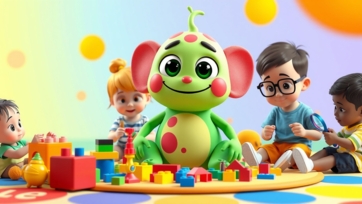
Preschool is a critical time for brain development, and learning through play is one of the most effective ways to boost cognitive skills. Brain-boosting games help children develop memory, focus, problem-solving, creativity, and early math and language abilities. Parents and caregivers can use simple, hands-on, and fun activities to make learning interactive and enjoyable. This guide provides engaging learning games designed to strengthen young children’s brains while keeping them entertained.
Why Brain-Boosting Games Are Important:
Brain development in early childhood lays the foundation for lifelong learning. Games that challenge thinking and encourage exploration help children:
-
Improve memory and attention span
-
Strengthen problem-solving and reasoning skills
-
Develop creativity and imagination
-
Gain confidence and independence
-
Prepare for academic success
Research shows that children who engage in educational games at home or preschool perform better cognitively and socially. Websites like https://learn-kids.com provide excellent resources for brain-boosting activities.
Hands-On Memory Games:
Memory games enhance focus, recall, and attention to detail:
Matching Card Games:
Create pairs of cards with numbers, shapes, or animals. Lay them face down and let kids find matching pairs. This strengthens visual memory and concentration.
Object Recall Challenges:
Place 5–10 small objects on a tray. Let your child observe for 30 seconds, then cover the tray and ask them to recall the items.
Sequence Activities:
Line up toys, beads, or blocks in a pattern and ask children to replicate it. Increasing complexity gradually improves memory skills.
Problem-Solving and Logic Games:
Logic games help develop reasoning and decision-making abilities:
Building and Construction Play:
Provide blocks, LEGO, or magnetic tiles. Ask children to build towers, bridges, or houses. This enhances planning, spatial awareness, and creative problem-solving. Toys can be found at https://kidtoys.site.
Puzzle Solving:
Simple jigsaw puzzles, shape sorters, and logic boards improve analytical thinking and patience.
DIY Obstacle Courses:
Set up indoor or backyard courses with instructions like “jump twice, crawl under the table, then hop around the chair.” This boosts sequencing, attention, and problem-solving skills.
Creative Arts to Enhance Brain Power:
Art activities stimulate imagination, focus, and memory:
Drawing and Painting:
Encourage children to draw shapes, letters, or imaginative scenes. Discuss their artwork to build observation and reasoning skills.
Playdough Modeling:
Make animals, letters, or objects from playdough. This strengthens fine motor skills, spatial thinking, and creativity.
Craft Projects:
Use limited materials to create crafts. Children must plan, evaluate, and execute ideas, which enhances decision-making. Videos and ideas are available on https://boobacartoon.com.
Math and Counting Games:
Math activities are fun ways to boost problem-solving and logical thinking:
Counting and Sorting:
Use colorful beads, blocks, or toys to count, group, and compare quantities.
Pattern Recognition:
Create sequences with blocks, stickers, or shapes. Ask children to continue the pattern to enhance logical reasoning.
Simple Addition and Subtraction:
Use toys or snacks to introduce story-based math problems. Example: “You have 3 apples and get 2 more. How many now?”
Language and Storytelling Games:
Storytelling and language games strengthen memory, comprehension, and reasoning:
Interactive Reading:
Read storybooks aloud and ask children to recall details, predict events, and explain character actions.
Story Creation:
Encourage kids to invent stories using toys, puppets, or drawings. This develops sequencing, memory, and imagination.
Rhymes and Educational Songs:
Sing songs like “Five Little Monkeys” or “The Wheels on the Bus” to improve auditory memory, attention, and language skills. Check https://keekan.com for animated, educational songs.
Outdoor Brain-Boosting Games:
Outdoor play combines physical activity with cognitive skill development:
Nature Observation Walks:
Encourage children to notice shapes, colors, or numbers in the environment. Ask questions to develop memory and reasoning.
Scavenger Hunts:
Hide objects or give clues to find items. This encourages observation, problem-solving, and attention.
Active Movement Games:
Hopscotch, ball toss, and balancing exercises integrate physical coordination with focus and cognitive growth.
Sensory Play for Cognitive Development:
Sensory activities engage multiple senses and boost brain function:
Sand and Water Exploration:
Allow children to pour, scoop, and explore textures. Introduce simple comparisons like full/empty or heavy/light.
Sensory Bins:
Fill bins with rice, beans, or pasta and hide small objects. Ask children to find them, combining tactile play with memory and problem-solving.
Texture Sorting:
Use different fabrics, sponges, or natural items to sort and describe, enhancing sensory awareness and analytical thinking.
Using Technology to Support Learning:
Educational apps and websites can complement hands-on activities:
-
https://learn-kids.com – Brain games, logic challenges, and interactive learning
-
https://keekan.com – Animated problem-solving videos and songs
-
https://boobacartoon.com – Interactive learning cartoons for preschoolers
-
https://kidtoys.site – Toys that promote problem-solving, sequencing, and critical thinking
These tools make learning engaging while reinforcing key cognitive skills.
Tips for Parents to Enhance Brain Power:
Parents play a crucial role in nurturing cognitive growth:
-
Encourage curiosity and questions
-
Integrate learning games into daily routines
-
Praise effort, creativity, and persistence
-
Balance technology with hands-on and outdoor activities
-
Keep sessions short, fun, and interactive
Conclusion: Making Learning Fun and Brainy:
Brain-boosting learning games are an effective way to help preschool kids develop memory, focus, problem-solving, creativity, and early math and language skills. Through hands-on games, puzzles, storytelling, sensory play, and outdoor activities, parents can create a stimulating and playful learning environment.
Incorporate educational toys from https://kidtoys.site, craft activities from https://boobacartoon.com, and interactive learning songs from https://keekan.com to make brain-boosting games exciting and fun. Engaging children in these activities lays the foundation for confident, curious, and capable learners.