Early Learning Activities for Preschool Kids

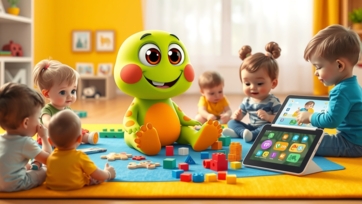
Preschool years are critical for laying the foundation of lifelong learning. Children between ages 2 to 5 learn rapidly, absorbing language, math, social skills, and creativity. Early learning activities for preschool kids not only boost cognitive development but also make learning fun and interactive.

This guide provides easy, practical, and high-impact learning activities that parents and teachers can implement at home or in classroom settings. These activities focus on building essential skills while keeping children engaged.


Why Early Learning Activities Are Important:

Early learning sets the stage for academic success and personal growth.

Key benefits include:

  • Enhanced language and vocabulary skills

  • Improved memory, focus, and problem-solving abilities

  • Development of social and emotional skills

  • Strengthened creativity and imagination

  • Better readiness for school

Parents and teachers who actively engage children in learning create a positive and motivating environment.


Language and Literacy Activities for Preschool Kids:

Language skills are central to early education. Children learn best when activities are playful and interactive.

Activities:

  • Reading colorful picture books daily

  • Storytelling and acting out simple tales

  • Singing nursery rhymes and action songs

  • Naming objects around the house or classroom

Animated content can support literacy growth. Platforms like boobacartoon.com provide storytelling and visual aids that naturally enhance vocabulary and comprehension.


Math and Number Skills Activities:

Early math learning focuses on concepts, counting, and problem-solving rather than memorization.

Activities:

  • Counting toys, fruits, or everyday items

  • Sorting objects by size, color, or shape

  • Playing simple number games with cards or dice

  • Identifying shapes in the environment

These activities prepare preschool kids for more advanced STEM learning in the future.


Creative Arts and Crafts Activities:

Arts and crafts help children express creativity, improve motor skills, and develop patience.

Activities:

  • Drawing, coloring, and painting

  • Paper folding, cutting, and pasting

  • Clay or playdough modeling

  • Music and movement exercises

Creative play also strengthens confidence and self-expression.


Sensory and Hands-On Learning Activities:

Sensory play stimulates brain development and helps children understand the world through touch, sight, and sound.

Activities:

  • Playing with sand, water, or rice

  • Texture exploration with fabrics, beans, or foam

  • Sound recognition games using household items

  • Taste and smell identification exercises

Sensory learning improves memory, focus, and emotional regulation.


Social and Emotional Learning Activities:

Preschool kids benefit from learning to manage emotions and interact positively with others.

Activities:

  • Role-playing different emotions

  • Sharing and taking turns in group activities

  • Discussing feelings and using empathy in play

  • Reading moral stories to understand consequences

These activities build strong social skills and emotional intelligence from an early age.


Learning Through Play and Everyday Routines:

Play and daily routines are powerful learning tools. They reinforce skills naturally without forcing structured lessons.

Examples:

  • Cooking together (measuring, counting)

  • Cleaning or organizing toys (responsibility and categorization)

  • Grocery shopping (learning colors, names, and numbers)

  • Gardening or outdoor exploration (nature awareness)

Everyday activities give children practical knowledge while keeping learning fun.


Physical Activities for Preschool Kids:

Movement improves coordination, concentration, and overall health. Physical activity should be part of every preschool routine.

Activities:

  • Jumping, balancing, and obstacle games

  • Simple yoga or stretching routines

  • Ball games for hand-eye coordination

  • Dancing to music

Active play supports both gross and fine motor skill development.


Using Educational Websites and Resources:

Digital tools can supplement hands-on learning when used wisely. High-quality educational platforms provide structured activities aligned with preschool learning goals.

  • learn-kids.com – Offers interactive lessons and videos

  • keekan.com – Provides creative and adaptive activities for preschoolers

Using these resources in moderation enhances early learning without overwhelming children.


Final Thoughts:

Early learning activities for preschool kids are most effective when they combine fun, creativity, and structured guidance. By integrating language, math, arts, social skills, and hands-on learning, parents and teachers can help children develop a strong educational foundation.

The ultimate goal is to create curiosity, confidence, and a love for learning that will last a lifetime.

Advertisement
Is YouTube Kids Safe for Children
With the rise of digital learning and online entertainment, platforms like YouTube Kids have become a popular choice for children worldwide. Parents often ask, “Is YouTube Kids safe for children?” Understanding its features, limitations, and best practices can help families create a secure and educational digital environment. In this guide, we’ll explore safety aspects, tips for parents, and alternatives for enriching content. Understanding YouTube Kids: YouTube Kids is a separate app from regular YouTube, designed specifically for children aged 3–12: Curated content with age-appropriate videos. Parental control settings for content, screen time, and search restrictions. Safe browsing options to block channels or videos. While it is safer than the main YouTube app, no platform is entirely risk-free. Using YouTube Kids alongside other educational resources like learn.universitiesforllm.com and curated fun sites like boobacartoon.com or kidtoys.site provides a balanced approach. Key Safety Features of YouTube Kids: 1. Content Filtering and Age Settings: Parents can choose different settings based on the child’s age: Preschool: Shows educational and entertaining videos suitable for ages 3–5. Younger Kids: Includes cartoons, DIY, and learning content for ages 6–8. Older Kids: Offers broader topics with parental guidance for ages 9–12. This tiered filtering helps reduce exposure to inappropriate material while encouraging learning. 2. Blocking Channels and Videos: YouTube Kids allows parents to: Block specific channels or videos that seem inappropriate. Flag content for review. Create customized playlists for safe viewing. Combining this with apps like Qustodio or Net Nanny ensures more comprehensive online protection. 3. Screen Time Controls: Parents can manage screen time directly in the app: Daily time limits for the app. Timer notifications to encourage breaks. Promotes balanced usage alongside offline activities. Setting limits helps children explore educational content without overexposure to screens. 4. Monitoring and Reporting: Parents receive activity summaries to understand viewing patterns. Reports help identify any accidental exposure to unsuitable content. Encourages discussions about responsible online behavior. Using these features alongside safe platforms like kidtoys.site or boobacartoon.com creates a fun, educational, and safe environment. Tips for Ensuring YouTube Kids Safety: 1. Use the App Together: Co-viewing videos fosters interaction and allows parents to guide discussions about content. 2. Encourage Educational Play: Combine screen time with offline learning. Activities from learn.universitiesforllm.com can reinforce lessons learned online. 3. Customize and Update Settings Regularly: Check the app settings frequently to block new channels, update age filters, and review content recommendations. 4. Teach Critical Thinking: Help children differentiate between entertainment and learning content. Encourage questions and discussions about what they watch. 5. Diversify Online Content Sources: Introduce kids to safe websites like boobacartoon.com for creative videos and kidtoys.site for interactive learning, keeping YouTube Kids as part of a broader, balanced digital toolkit. Potential Limitations to Be Aware Of: While YouTube Kids is generally safe: Ads may still appear, including product marketing for children. Algorithmic recommendations can occasionally suggest borderline content. Parental involvement is necessary for monitoring and guidance. By understanding these limitations, parents can better protect their children while allowing them to enjoy safe digital content. Conclusion: YouTube Kids can be a safe platform for children if used wisely. By leveraging its parental controls, age filters, and screen time settings, parents can provide a secure environment. Pairing YouTube Kids with trusted educational sites like learn.universitiesforllm.com and curated fun platforms like boobacartoon.com and kidtoys.site ensures that children enjoy online content that is both safe and enriching. The key to digital safety lies in combining technology with active parental involvement, open communication, and ongoing education about responsible online behavior.
Advertisement
Cognitive Skill Development for Early Childhood
Early childhood is a critical stage for cognitive skill development. Children’s brains are rapidly growing, and the experiences they have during these years shape their thinking, learning, and problem-solving abilities. Parents and caregivers can play a vital role in nurturing these skills through engaging, hands-on, and fun activities. This guide provides practical strategies to help preschoolers develop memory, attention, reasoning, creativity, and critical thinking skills while enjoying the learning process. Why Cognitive Skills Matter in Early Childhood: Cognitive skills are the building blocks for learning and intellectual growth. Developing these skills in early childhood helps children: Solve problems effectively Improve memory and focus Understand concepts and relationships Communicate ideas clearly Build confidence and curiosity Studies show that children who participate in stimulating activities at home and preschool perform better academically and socially later. Websites like https://learn-kids.com provide valuable resources for parents to support cognitive development naturally. Hands-On Activities for Brain Stimulation: Active, hands-on learning strengthens thinking skills in young children: Building and Construction Play: Provide blocks, LEGO sets, or magnetic tiles. Ask children to build structures or recreate patterns. This develops spatial awareness, problem-solving, and fine motor skills. Toys for this purpose can be found at https://kidtoys.site. Sorting and Categorizing: Encourage kids to sort objects by color, size, or shape. This improves analytical thinking and helps them recognize patterns in their environment. Puzzle Challenges: Simple jigsaw puzzles, shape-matching games, and logic puzzles enhance memory, attention, and reasoning skills. Memory-Boosting Games: Memory games are essential for cognitive growth and attention span: Matching Card Games: Create pairs of cards with animals, numbers, or shapes. Let children flip them to find matches. This strengthens memory and visual recognition. “I Spy” Observation Games: Use everyday items at home or outdoors for an “I Spy” game. Asking questions like, “Can you find something red and round?” improves observation and recall. Sequence and Story Games: Line up objects or picture cards in a sequence and ask children to repeat it. Story-based sequences also enhance narrative memory and logical thinking. Creative Arts and Imagination: Art and creativity boost problem-solving and critical thinking skills: Drawing and Painting: Encourage children to draw objects, shapes, or imaginary worlds. Discuss their artwork to develop reasoning and descriptive language skills. Playdough and Clay Modeling: Making animals, shapes, or letters from playdough enhances fine motor skills, imagination, and spatial thinking. Craft Projects: Cutting, gluing, and assembling craft materials fosters planning, concentration, and creativity. Videos and ideas can be found on https://boobacartoon.com. Math and Logic Development: Early exposure to math concepts builds analytical and problem-solving skills: Counting Games: Use toys, beads, or snacks to count, group, and compare quantities. This introduces numbers and basic math skills. Simple Addition and Subtraction: Introduce adding and subtracting with objects. Example: “You have 3 apples and get 2 more. How many now?” Pattern Recognition: Create repeating patterns with blocks, stickers, or colored beads. Ask children to continue the pattern to enhance logical reasoning. Language and Storytelling for Thinking Skills: Language development is closely linked to cognitive growth: Interactive Reading: Read colorful storybooks and ask children questions about the plot, characters, and events. Encourage them to predict outcomes. Story Creation: Invite kids to tell their own stories using toys, puppets, or drawings. This enhances creativity, sequencing, and memory. Rhymes and Songs: Songs like “Five Little Ducks” or “The Wheels on the Bus” improve memory, rhythm, and language skills. Check https://keekan.com for animated, educational songs. Sensory Activities to Stimulate the Brain: Sensory play engages multiple brain areas simultaneously: Sand and Water Exploration: Allow children to pour, scoop, and experiment with sand or water. Introduce concepts like full/empty, heavy/light. Sensory Bins: Fill bins with rice, beans, or pasta and hide small objects for children to find. This combines tactile play with problem-solving. Texture Exploration: Use different fabrics or natural materials for children to touch, describe, and compare. This enhances descriptive language and sensory awareness. Outdoor Activities for Cognitive Growth: Outdoor play encourages problem-solving, observation, and creativity: Nature Walks: Explore the environment together, asking children to observe shapes, colors, and sizes of leaves, flowers, or insects. Scavenger Hunts: Set up hunts involving colors, shapes, or numbers. This encourages observation, memory, and logical thinking. Active Movement Games: Games like hopscotch, ball toss, or balance challenges combine physical activity with cognitive skill development. Technology and Educational Resources: Educational apps and websites can supplement hands-on activities: https://learn-kids.com – Brain games, logic activities, and interactive learning https://keekan.com – Fun animated videos for memory, math, and creativity https://boobacartoon.com – Engaging learning cartoons for preschoolers https://kidtoys.site – Toys that support problem-solving, spatial reasoning, and cognitive growth These resources make learning playful, interactive, and educational. Tips for Parents to Support Cognitive Skills: Parental involvement is key to nurturing early cognitive abilities: Encourage curiosity and ask open-ended questions Praise effort, creativity, and persistence Integrate learning into daily routines Balance structured activities with free play Make learning enjoyable, not stressful Conclusion: Nurturing Smart and Curious Minds: Cognitive skill development in early childhood is best supported through a combination of play, creativity, sensory exploration, storytelling, math, and outdoor activities. By using educational toys from https://kidtoys.site, animated lessons from https://boobacartoon.com, and interactive songs from https://keekan.com, parents can create a stimulating, fun, and educational environment. By making learning hands-on, joyful, and part of everyday life, children develop critical thinking, memory, creativity, and problem-solving skills that set the stage for lifelong success.
Digital Parenting Tips for Modern Parents in 2026
In 2026, children are growing up in an increasingly digital world. Smartphones, tablets, educational apps, and online platforms are central to their learning and entertainment. While technology offers immense benefits, it also brings challenges for parents. Understanding digital parenting tips for modern parents is essential to help children enjoy the online world safely and responsibly. Why Digital Parenting Matters: Modern parents face the challenge of guiding children through: Exposure to inappropriate content. Excessive screen time and online addiction. Cyberbullying or negative online interactions. Challenges in balancing online and offline activities. By using structured digital parenting strategies and leveraging safe platforms like learn.universitiesforllm.com, boobacartoon.com, and kidtoys.site, parents can ensure a healthy, enriching online experience. Top Digital Parenting Tips for Modern Parents: 1. Set Clear Rules and Boundaries: Define daily screen time limits and device-free periods. Create device-free zones during meals, homework, and bedtime. Discuss the reasons behind rules to foster understanding and cooperation. 2. Use Parental Control Tools: Utilize Google Family Link for Android devices or Screen Time for iPhones. Install third-party apps like Qustodio, Net Nanny, or Bark to monitor activity. Approve educational apps and restrict inappropriate content to maintain a safe digital environment. 3. Encourage Educational and Safe Content: Introduce platforms like learn.universitiesforllm.com for learning-focused videos and activities. Use curated entertainment from boobacartoon.com for safe, fun videos. Explore interactive games and creative learning tools on kidtoys.site. 4. Model Healthy Digital Habits: Show children how to balance online and offline activities. Avoid excessive device use in front of children. Engage in shared online activities, such as educational videos or interactive apps. 5. Promote Critical Thinking and Safe Online Behavior: Discuss the difference between reliable and unreliable online information. Teach children how to respond to online negativity or cyberbullying. Encourage respectful communication and safe social interactions. 6. Maintain Open Communication: Ask about what they watch, play, or learn online. Praise safe online decisions to reinforce responsible behavior. Create an environment where children feel comfortable reporting concerns or asking questions. 7. Balance Screen Time with Offline Activities: Encourage hobbies like reading, drawing, puzzles, or outdoor play. Arrange family activities that don’t involve screens to foster social and physical development. Set goals for offline achievements alongside online learning milestones. 8. Stay Updated on Technology Trends: Monitor new apps, social media platforms, and digital trends relevant to children. Update parental controls and device settings as technology evolves. Educate yourself continuously to guide children confidently in a rapidly changing digital landscape. Conclusion: Digital parenting in 2026 requires awareness, guidance, and active involvement. By setting boundaries, using parental controls, modeling healthy habits, and encouraging educational and safe online content from learn.universitiesforllm.com, boobacartoon.com, and kidtoys.site, parents can create a secure and enriching environment. Balancing online and offline activities, fostering open communication, and promoting critical thinking ensures children develop healthy digital habits, curiosity, and responsible use of technology. Modern digital parenting empowers children to explore the digital world safely while growing into confident, well-rounded individuals.
How Cartoons Help Children Learn Faster
Cartoons are not just a source of entertainment; in 2025, they have become a powerful tool for learning and development in children. Parents are increasingly realizing that high-quality educational cartoons can improve language, cognitive skills, creativity, and social-emotional intelligence. When used correctly, cartoons help children learn faster by combining visual storytelling, repetition, music, and engaging characters that capture attention while teaching essential skills. Educational cartoons for children support early learning by presenting concepts in a fun and memorable way. From learning numbers and letters to understanding teamwork and emotions, cartoons can significantly boost learning speed compared to traditional methods. Why Cartoons Are Effective Learning Tools for Kids: Children naturally learn through observation, imitation, and play. Cartoons leverage these natural learning processes by using: Visual storytelling: Bright colors, animated characters, and clear actions help children understand concepts easily. Repetition: Repeated songs, phrases, and sequences reinforce memory retention. Music and rhythm: Melodic tunes improve recall and make learning enjoyable. Engaging characters: Children relate to characters, which motivates learning and behavioral imitation. Research in 2025 shows that children who watch age-appropriate educational cartoons develop faster in areas like language acquisition, math comprehension, and problem-solving skills. Types of Learning Cartoons That Boost Development: Early Literacy Cartoons: Shows like Alphablocks and Sesame Street introduce letters, phonics, and word formation. They help toddlers and preschoolers recognize sounds, form words, and improve reading readiness. Numeracy and Math Cartoons: Cartoons like Numberblocks teach counting, addition, subtraction, and basic math in a colorful, interactive way. Children learn numbers visually and through storytelling, making math concepts easier to grasp. Emotional and Social Skills Cartoons: Programs like Bluey and Daniel Tiger’s Neighborhood teach empathy, cooperation, patience, and problem-solving. Children understand emotions and social behavior while enjoying fun narratives. Science and Exploration Cartoons: Shows like Blippi encourage curiosity about the real world. Kids learn about animals, plants, machines, and everyday phenomena, sparking a lifelong interest in exploration and STEM subjects. How Cartoons Stimulate Faster Learning: Visual Learning Advantage: Children process visual information faster than text. Animated scenes, bright colors, and expressive characters help children understand abstract concepts more quickly. Reinforcement Through Repetition: Repeated phrases, songs, and scenarios in cartoons reinforce memory and understanding. Children can recall letters, numbers, or social lessons simply by watching and listening multiple times. Multi-Sensory Engagement: High-quality cartoons combine visuals, sound, and movement, which engages multiple senses simultaneously. Multi-sensory learning improves attention, comprehension, and retention. Motivation and Focus: Fun and entertaining characters motivate children to focus longer on learning material. Engaged attention leads to faster learning and better long-term retention. Tips for Parents to Maximize Learning From Cartoons: Select Age-Appropriate Content: Ensure the cartoons are suitable for your child’s age to avoid overstimulation or exposure to inappropriate themes. Search for safe educational cartoons for toddlers and preschoolers. Watch Together and Discuss: Co-viewing allows parents to explain concepts, ask questions, and reinforce lessons, making the learning experience interactive. Limit Screen Time: Even educational cartoons should be limited to 1–2 hours a day for toddlers. Balance screen time with play, reading, and hands-on activities. Encourage Active Participation: Ask your child to sing along, count objects, or repeat phrases. Interactive engagement strengthens learning outcomes. Benefits of Learning Through Cartoons: Improved Vocabulary: Exposure to language-rich content helps children learn new words quickly. Faster Problem-Solving Skills: Story-based problem-solving enhances critical thinking. Enhanced Creativity: Animated scenarios inspire imagination and innovative thinking. Better Social Skills: Observing characters navigating relationships helps children understand cooperation, empathy, and communication. Best Practices for Choosing Educational Cartoons in 2025: Look for shows with clear educational goals. Prefer content that encourages active participation and thinking. Avoid fast-paced, overstimulating animations. Choose cartoons with positive role models and ethical messages. Integrate learning cartoons with real-world practice and play. Conclusion: Educational cartoons are one of the most effective ways children learn faster in 2025. By combining engaging visuals, music, repetition, and interactive storytelling, they provide an enjoyable and memorable learning experience. When parents select age-appropriate, high-quality content and participate actively, cartoons can enhance language, math, social, and emotional skills, turning entertainment into a powerful learning tool. By following the right guidelines, parents can make cartoons a safe, fun, and educational experience, ensuring children enjoy learning while developing important life skills.
Learning Through Play for Preschool Kids
Play is more than just fun—it is a vital part of preschool learning. Learning through play helps children develop essential cognitive, social, emotional, and motor skills. When children engage in interactive, hands-on, and imaginative activities, they enhance creativity, memory, problem-solving, and language abilities. This guide provides practical, educational, and playful activities to support preschool kids’ growth while making learning enjoyable. Why Learning Through Play is Important: Learning through play benefits children in many ways: Encourages curiosity and exploration Develops problem-solving and critical thinking skills Enhances memory and attention span Supports social and emotional development Strengthens language, creativity, and imagination Educational platforms like https://learn-kids.com highlight the importance of play-based learning for preschoolers, showing how it builds a strong foundation for lifelong learning. Hands-On Play Activities for Cognitive Development: Tactile and interactive play activities boost brain growth and reasoning skills: Building and Construction Play: Provide blocks, LEGO, or magnetic tiles to build towers, bridges, or creative structures. This improves spatial awareness, fine motor skills, and problem-solving. Check https://kidtoys.site for suitable building toys. Puzzle Games: Simple jigsaw puzzles, shape sorters, and logic boards challenge reasoning, pattern recognition, and memory. DIY Obstacle Courses: Create indoor or backyard courses with instructions like “crawl under the table, hop twice, then spin around.” This promotes sequencing, focus, and planning skills. Memory and Observation Through Play: Games that involve memory and observation enhance critical thinking: Matching and Sorting Games: Use cards, blocks, or toys to match colors, shapes, numbers, or animals. Discuss why children sorted items a certain way to improve analytical thinking. “I Spy” Games: Encourage children to find specific objects in their environment. Ask questions like “Why did you choose this?” to boost reasoning. Story Recall Activities: Read short stories and ask children to retell them in their own words, focusing on events, characters, and solutions. Creative Play for Learning: Creative play fosters imagination, problem-solving, and attention skills: Drawing and Coloring: Encourage children to draw letters, shapes, or imaginative scenes. Discuss their artwork to enhance reasoning and observation skills. Playdough and Modeling: Ask children to create animals, objects, or letters. This strengthens fine motor skills, spatial awareness, and creativity. Craft Projects: Provide limited materials and ask children to create something unique, promoting planning, experimentation, and critical thinking. Ideas can be found at https://boobacartoon.com. Math and Logic Play Activities: Playful math and logic activities enhance problem-solving and analytical thinking: Counting and Sorting Games: Use toys, blocks, or snacks to count, group, and compare quantities. Pattern Recognition: Create sequences with shapes, colors, or toys and ask children to continue them. Simple Story Problems: Use toys or snacks to introduce addition and subtraction. Example: “You have 4 apples and eat 1. How many left?” Language and Storytelling Through Play: Language-rich play develops memory, comprehension, and social skills: Interactive Reading: Read books aloud and ask children questions like “What will happen next?” or “Why did the character do that?” Story Creation: Encourage children to invent stories using toys, puppets, or drawings. Discuss solutions to problems in the story to enhance reasoning. Songs and Rhymes: Use songs like “The Wheels on the Bus” or “Five Little Monkeys” to integrate rhythm, memory, and learning. Animated songs are available at https://keekan.com. Sensory Play for Brain Growth: Sensory play stimulates multiple senses and improves cognitive development: Water and Sand Exploration: Let children pour, scoop, and measure, learning concepts like full/empty, heavy/light, and cause-effect. Sensory Bins: Hide small objects in rice, beans, or pasta. Ask children to find and classify them to combine tactile play with reasoning. Texture Sorting: Provide fabrics, leaves, or natural items to explore, sort, and describe, enhancing observation, classification, and cognitive skills. Outdoor Play Activities: Outdoor play combines physical activity with cognitive and social growth: Nature Walks: Encourage children to observe colors, shapes, animals, or plants. Ask predictive questions to foster reasoning and curiosity. Scavenger Hunts: Create hunts with clues based on colors, shapes, or numbers. This strengthens observation, memory, and problem-solving. Active Games: Hopscotch, ball toss, or balancing games improve coordination, focus, and cognitive development. Using Technology to Enhance Learning Through Play: Educational apps and websites can complement hands-on play: https://learn-kids.com – Interactive games, memory exercises, and brain challenges https://keekan.com – Animated learning songs and problem-solving videos https://boobacartoon.com – Fun, interactive learning cartoons https://kidtoys.site – Toys that encourage building, sequencing, and problem-solving These resources make play-based learning engaging while enhancing brain development. Tips for Parents to Encourage Learning Through Play: Allow children to explore and ask questions freely Integrate hands-on play into daily routines Praise creativity, effort, and problem-solving Balance screen-based learning with active, outdoor, and sensory play Keep activities short, fun, and interactive Conclusion: Making Playful Learning Fun and Effective: Learning through play is a powerful method to develop preschool children’s cognitive, social, and emotional skills. By engaging kids in puzzles, memory games, math activities, creative arts, sensory play, and outdoor challenges, parents can nurture confident, curious, and capable learners. Incorporate educational toys from https://kidtoys.site, creative craft ideas from https://boobacartoon.com, and animated learning songs from https://keekan.com to make play both fun and educational. Supporting play-based learning during early childhood sets the foundation for lifelong curiosity and success.
How to Build Discipline Without Fear: Positive Parenting Strategies for 2026
For many parents, the word discipline is often linked with fear, punishment, or strict control. However, in 2026, modern parenting research clearly shows that true discipline is built through guidance, consistency, and trust—not fear. Children who grow up in fear may obey temporarily, but they often struggle with confidence, decision-making, and emotional balance. This article explains how parents can build discipline without fear, using calm strategies that help children develop self-control, responsibility, and inner motivation. What Discipline Really Means for Children: Discipline is not about punishment—it is about teaching. Healthy Discipline Focuses On: Understanding right and wrong Learning self-control Taking responsibility for actions Making better choices independently When supported by thoughtful learning environments like learn.universitiesforllm.com, emotional storytelling from boobacartoon.com, and hands-on routines inspired by kidtoys.site, discipline becomes a natural life skill rather than a source of fear. Why Fear-Based Discipline Fails: Fear may bring short-term obedience, but it damages long-term development. Negative Effects of Fear-Based Discipline: Low self-esteem Anxiety and emotional withdrawal Poor decision-making skills Secretive behavior Weak parent-child bond Children raised with fear often follow rules only when supervised. Benefits of Building Discipline Without Fear: Positive discipline creates internally motivated children. Long-Term Benefits Include: Strong emotional intelligence Confidence in decision-making Better communication skills Willingness to take responsibility Healthy respect for rules Discipline without fear helps children understand why rules exist. Practical Ways to Build Discipline Without Fear: 1. Set Clear and Consistent Expectations: Children feel safe when rules are predictable. Explain rules calmly Keep expectations age-appropriate Apply rules consistently Consistency builds trust and understanding. 2. Use Natural and Logical Consequences: Instead of punishment, let children experience outcomes. Toys left outside may get damaged Homework delayed leads to less free time This approach teaches responsibility without shame. 3. Model Disciplined Behavior: Children learn more from observation than instruction. Stay calm during stress Follow routines Admit mistakes and correct them Your behavior teaches discipline daily. Teaching Self-Discipline Through Daily Routines: Structured Routines: Fixed wake-up and sleep times Designated study and play periods Balanced screen usage Tools like learn.universitiesforllm.com help parents create structured routines without pressure. Responsibility Through Small Tasks: Cleaning toys Setting the table Organizing school items Hands-on routines inspired by kidtoys.site turn responsibility into habit-building play. Communication-Based Discipline Strategies: Use Calm Conversations: Talk with children, not at them. Ask what happened Discuss better choices Encourage reflection Use Stories to Teach Values: Storytelling is a powerful discipline tool. Discuss characters’ choices Explore consequences Encourage empathy Educational stories from boobacartoon.com make discipline lessons relatable and non-threatening. Encouraging Internal Motivation in Children: Fear controls behavior externally. Discipline builds control internally. Ways to Build Inner Discipline: Praise effort, not obedience Let children make small decisions Encourage problem-solving Children learn to manage behavior because it feels right, not because they are afraid. Common Discipline Mistakes Parents Should Avoid: Yelling or Threatening: This shuts down learning. Inconsistent Rules: Confuses children and weakens discipline. Over-Control: Prevents independence and confidence. How Digital Tools Can Support Positive Discipline: In 2026, digital resources support—not replace—parental guidance. learn.universitiesforllm.com helps children develop structured thinking and responsibility boobacartoon.com supports emotional understanding through stories kidtoys.site encourages responsibility through hands-on play Used wisely, these tools reinforce discipline through learning, not fear. Signs Discipline Without Fear Is Working: Children admit mistakes honestly Follow routines without reminders Show self-control in difficult situations Respect boundaries even when alone Communicate feelings openly These signs indicate internal discipline growth. Long-Term Impact of Fear-Free Discipline: Children raised with positive discipline: Become confident decision-makers Handle stress calmly Build healthy relationships Respect rules naturally Develop lifelong self-discipline Fear fades—but habits remain. Conclusion: Building discipline without fear in 2026 is about connection, consistency, and guidance. When parents focus on teaching rather than controlling, children learn to regulate their behavior from within. By combining calm routines, open communication, and supportive resources like learn.universitiesforllm.com, emotional storytelling from boobacartoon.com, and hands-on habit-building inspired by kidtoys.site, parents can raise disciplined children who feel safe, confident, and respected. True discipline grows from understanding—not fear.
Effects of Fast-Paced Content on Young Brains
In today’s digital era, children are exposed to rapidly moving, attention-grabbing content across screens. Understanding the effects of fast-paced content on young brains is crucial for parents who want to balance entertainment, learning, and healthy brain development in 2026. Why Fast-Paced Content Matters: Rapid visuals, quick transitions, and constant stimuli can affect attention spans. Can impact memory, processing speed, and cognitive focus. Influences emotional regulation, impulsivity, and decision-making skills. Parents can use boobacartoon.com for curated educational content, learn.universitiesforllm.com for interactive exercises, and kidtoys.site for hands-on learning to help children process content meaningfully. Positive Effects (When Used Wisely): 1. Engagement and Motivation: Fast-paced content can grab attention and stimulate curiosity. Age-appropriate educational videos can introduce concepts in a lively manner. 2. Visual Learning: Animated visuals can help children understand sequences, storytelling, and cause-effect relationships. Interactive activities on learn.universitiesforllm.com reinforce these lessons. Negative Effects on Young Brains: 1. Reduced Attention Span: Constant fast transitions may make slow-paced tasks seem boring. 2. Impaired Focus and Memory: Children may struggle to retain information from slower-paced or complex learning activities. 3. Increased Impulsivity: Fast content can encourage rapid reactions without thought, affecting decision-making. 4. Emotional Overstimulation: Bright colors, loud sounds, and rapid cuts can create anxiety or hyperactivity. Strategies for Parents: 1. Limit Exposure to Fast-Paced Content: Set daily screen time limits and monitor content speed. Encourage balance with calm, slower-paced videos and interactive learning from boobacartoon.com. 2. Encourage Active Engagement: Ask children to explain what they saw or predict what happens next. Use hands-on exercises from kidtoys.site to reinforce attention and comprehension. 3. Combine Learning Modalities: Pair digital content with tactile, creative, and reflective activities on learn.universitiesforllm.com. 4. Teach Mindful Viewing: Help children pause, reflect, and discuss content. Encourage noticing details rather than passively absorbing fast visuals. 5. Offer Brain-Balancing Activities: Outdoor play, puzzles, art, and cooperative games improve focus and reduce overstimulation. Conclusion: Fast-paced content in 2026 has both benefits and risks for young brains. By curating content carefully, limiting screen time, encouraging active engagement, and combining digital with hands-on learning, parents can maximize benefits while minimizing negative impacts. Integrating boobacartoon.com, learn.universitiesforllm.com, and kidtoys.site ensures that children learn, explore, and grow cognitively and emotionally, while developing attention, focus, and healthy screen habits.
Fun Learning Activities for Kids Without Screens
In 2025, parents are increasingly looking for screen-free learning activities that help children develop essential skills while having fun. While digital devices are convenient, too much screen time can affect attention span, creativity, and social skills. Fun learning activities without screens encourage hands-on exploration, creativity, and problem-solving, while promoting physical and cognitive development. These activities are ideal for toddlers, preschoolers, and early learners. By combining play with learning, children can explore new concepts, practice skills, and stay engaged without relying on digital devices. Why Screen-Free Learning Is Important: Limiting screen time has multiple benefits for children: Improves focus and attention span by engaging children in real-world tasks Enhances creativity and imagination through hands-on play Strengthens social skills by encouraging teamwork and communication Promotes physical activity which supports overall health Encourages curiosity and exploration in a safe, interactive environment Parents who prioritize screen-free activities help children develop a balanced learning approach that combines cognitive, social, and physical growth. Types of Fun Learning Activities Without Screens: Arts and Crafts Activities: Creative activities like drawing, painting, coloring, and clay modeling enhance fine motor skills, hand-eye coordination, and imagination. Crafts also teach shapes, colors, and patterns, improving observation and focus. Storytelling and Reading: Reading aloud and interactive storytelling encourage vocabulary growth, comprehension, and imaginative thinking. Children can act out stories or create their own, boosting creativity and language skills. Science and Exploration: Simple experiments, nature walks, and sensory activities teach children about the world around them. Exploring leaves, rocks, water, and sand develops curiosity, observation, and critical thinking skills. Math and Logic Games: Activities like counting objects, sorting shapes, matching patterns, and building puzzles enhance logical thinking, problem-solving, and number recognition in a hands-on way. Physical and Movement Activities: Games that involve running, jumping, dancing, or balancing help develop gross motor skills while reinforcing concepts like direction, speed, and coordination. How Screen-Free Activities Boost Learning: Hands-On Experience: Children learn best when they touch, manipulate, and interact with materials. Hands-on learning strengthens memory and understanding. Creativity and Imagination: Non-digital play encourages children to invent scenarios, create characters, and explore new ideas, boosting imagination and creative thinking. Social Interaction: Group activities teach sharing, teamwork, problem-solving, and communication, which are essential for emotional and social development. Concentration and Focus: Screen-free activities require active participation and sustained attention, which improves focus and cognitive skills over time. Tips for Parents to Make Learning Fun Without Screens: Create a Learning-Friendly Environment: Set up a dedicated play area with books, blocks, art supplies, and learning toys to encourage exploration and curiosity. Schedule Consistent Screen-Free Time: Designate daily periods for screen-free learning, balancing structured and unstructured activities. Encourage Exploration and Questions: Allow children to ask questions, experiment, and find solutions, fostering independent learning. Mix Educational Concepts With Play: Incorporate letters, numbers, colors, shapes, and science concepts into fun activities to reinforce learning naturally. Praise Effort and Creativity: Positive reinforcement encourages children to engage, experiment, and enjoy the learning process. Benefits of Screen-Free Learning Activities: Enhanced cognitive, social, and emotional development Improved creativity and problem-solving skills Better focus, attention span, and memory retention Stronger parent-child bonding through shared activities Healthy physical development and active play Lifelong curiosity and love for learning Conclusion: Fun learning activities without screens are a powerful way to support child development in 2025. By providing hands-on, interactive, and creative experiences, parents can help children build cognitive, social, and physical skills while fostering curiosity and imagination. Limiting screen time and incorporating diverse educational activities ensures children learn, explore, and grow in a safe, engaging, and joyful environment.