Teaching reading skills to preschool kids is one of the most valuable steps in early childhood education. How to teach reading skills to preschool kids is a common question among parents and teachers who want children to develop strong literacy foundations before formal schooling. At this stage, reading should be fun, interactive, and pressure-free.
This guide explains simple, effective, and age-appropriate methods to help preschool children learn reading skills naturally at home or in early learning classrooms.
Why Teaching Reading Skills Early Is Important:
Early reading instruction supports overall brain and language development.
Key benefits include:
-
Strong vocabulary and language skills
-
Better listening and comprehension
-
Early phonics and decoding ability
-
Increased confidence and focus
-
Smooth transition to school learning
Children who enjoy reading early often become independent and motivated learners.
Understanding Preschool Reading Readiness:
Before teaching reading, it is important to recognize readiness signs.
Preschool readiness includes:
-
Recognizing some letters
-
Listening to stories attentively
-
Enjoying picture books
-
Identifying familiar sounds
-
Showing curiosity about words
Reading should begin gradually, based on interest rather than pressure.
Start with Letter Sounds and Phonics:
Phonics is the foundation of reading.
How to begin:
-
Teach letter sounds before letter names
-
Introduce one sound at a time
-
Use picture cards (B for ball, C for cat)
-
Repeat sounds during daily conversation
Animated phonics content from boobacartoon.com helps preschoolers connect sounds with visuals in an engaging way.
Use Read-Aloud Sessions Daily:
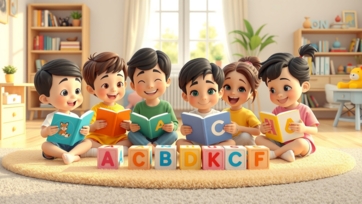
Reading aloud is one of the most effective teaching methods.
Best practices:
-
Read aloud for 10–15 minutes daily
-
Choose colorful picture books
-
Point to words while reading
-
Change voice tones for characters
Read-aloud sessions build listening skills and story comprehension.
Teach Word Blending Slowly:
Blending sounds helps children read words.
Activities:
-
Blend simple sounds slowly (c-a-t → cat)
-
Use magnetic letters or tiles
-
Practice short CVC words
-
Encourage children to repeat sounds
Blending should always be practiced in a fun and relaxed manner.
Introduce Sight Words Gradually:
Sight words improve reading fluency.
Examples:
-
the, is, am, see, go, we, can
-
Use word cards during play
-
Read simple sentences repeatedly
-
Spot sight words in storybooks
Recognizing common words helps children read smoothly.
Make Reading Interactive and Fun:
Interactive reading keeps children engaged.
Ideas:
-
Ask questions during reading
-
Let children predict story endings
-
Encourage children to repeat sentences
-
Act out story scenes
Interactive reading improves comprehension and confidence.
Use Play-Based Reading Activities:
Play is a natural way to teach reading.
Activities:
-
Pretend reading with toys
-
Word and picture matching games
-
Alphabet and word puzzles
-
Labeling objects around the house
Websites like learn-kids.com offer play-based reading activities that support early literacy.
Create a Reading-Friendly Environment:
The learning environment plays a major role.
Simple steps:
-
Keep books within reach
-
Create a quiet reading corner
-
Read at the same time daily
-
Let children choose books
A comfortable environment encourages regular reading habits.
Use Digital Resources Wisely:
Digital tools can support reading when used responsibly.
-
keekan.com – Beginner reading and phonics activities
-
learn-kids.com – Interactive reading games
-
kidtoys.site – Educational toys that support early reading
Screen time should always be guided and balanced with physical books.
Common Reading Challenges and Solutions:
Some preschoolers may struggle initially.
Solutions:
-
Avoid forcing reading
-
Repeat favorite books
-
Focus on effort, not perfection
-
Keep sessions short and positive
Every child learns at their own pace.
Tips for Parents and Teachers:
-
Be a reading role model
-
Praise small progress
-
Stay patient and consistent
-
Mix reading with play
-
Follow the child’s interest
Supportive adults make learning enjoyable and effective.
Final Thoughts:
How to teach reading skills to preschool kids depends on patience, consistency, and creativity. By combining phonics, read-aloud sessions, sight words, interactive storytelling, play-based learning, and daily routines, parents and teachers can help children become confident early readers.
The goal is to make reading fun, meaningful, and pressure-free, helping children develop a lifelong love for books and learning.