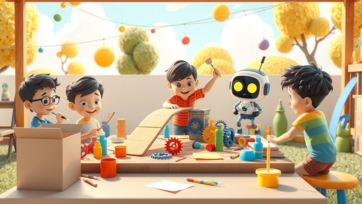
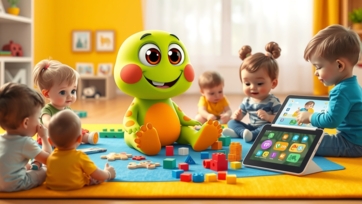
Skill-based learning is a powerful approach for developing essential abilities in children. By focusing on specific skills like critical thinking, creativity, problem-solving, communication, and motor coordination, kids gain confidence and prepare for academic and real-life challenges. Through playful, hands-on, and interactive activities, parents and educators can make learning engaging while enhancing cognitive, social, and emotional growth. This guide provides practical skill-based learning activities suitable for preschool and early elementary children.
Why Skill-Based Learning is Important:
Skill-based learning focuses on developing abilities rather than rote memorization. Benefits for children include:
-
Improved critical thinking and problem-solving skills
-
Enhanced creativity and imagination
-
Stronger language and communication abilities
-
Better social and emotional development
-
Increased confidence and independence in learning
Websites like https://learn-kids.com emphasize the role of skill-based activities in fostering lifelong learning habits.
Hands-On Skill Activities for Cognitive Growth:
Tactile and interactive play promotes cognitive skills:
Building and Construction Games:
Use blocks, LEGO, or magnetic tiles to build towers, bridges, or imaginative structures. This develops spatial awareness, planning, and fine motor coordination. Check https://kidtoys.site for building toys.
Puzzle Challenges:
Jigsaw puzzles, shape sorters, and logic boards help children analyze, reason, and develop problem-solving skills.
DIY Obstacle Courses:
Create courses with simple instructions like “hop three times, crawl under the table, then spin around.” This enhances sequencing, focus, and decision-making abilities.
Memory and Focus Activities:
Memory and attention are core components of skill development:
Matching and Sorting Games:
Use cards, blocks, or toys to match colors, shapes, numbers, or animals. Discuss their reasoning to enhance analytical thinking.
Observation Games:
Play “I Spy” or ask children to spot differences in pictures or their surroundings, improving concentration and memory.
Story Recall:
Read short stories and ask children to retell them, focusing on problem-solving events and character decisions.
Creative Skill Development:
Creative activities foster imagination, flexibility, and problem-solving:
Drawing and Coloring:
Encourage children to draw letters, numbers, objects, or imaginative scenes. Discuss their creations to enhance observation and critical thinking.
Playdough Modeling:
Ask children to create animals, letters, or objects. This builds fine motor skills, spatial reasoning, and creativity.
Craft Projects:
Provide limited materials and ask children to make unique crafts, promoting planning, experimentation, and innovation. Activity ideas are available at https://boobacartoon.com.
Math and Logic Skill Activities:
Early math and logic activities enhance reasoning and problem-solving:
Counting and Sorting Games:
Use toys, beads, or snacks to count, group, and compare quantities, developing number sense.
Pattern Recognition:
Create sequences with blocks, shapes, or colors and ask children to continue them, improving logical thinking.
Simple Story Problems:
Use toys or snacks to introduce addition and subtraction. Example: “You have 5 apples and eat 2. How many left?”
Language and Communication Activities:
Language skills improve thinking, social interaction, and learning:
Interactive Reading:
Read books aloud and ask questions like “What do you think will happen next?” or “Why did the character make that choice?”
Story Creation:
Encourage children to invent stories using toys, puppets, or drawings. Discuss solutions to challenges in the story to build reasoning and creativity.
Educational Songs and Rhymes:
Use songs like “The Wheels on the Bus” or “Five Little Monkeys” to integrate rhythm, memory, and learning. Animated songs are available at https://keekan.com.
Sensory Play for Skill Development:
Sensory play stimulates multiple senses and promotes learning:
Water and Sand Exploration:
Children pour, scoop, and measure, learning about concepts like full/empty, heavy/light, and cause-effect.
Sensory Bins:
Hide objects in rice, beans, or pasta and ask children to find and sort them, combining tactile exploration with reasoning.
Texture Sorting:
Use fabrics, leaves, or natural items to explore, sort, and describe, enhancing observation, classification, and analytical skills.
Outdoor Skill-Building Activities:
Outdoor play integrates physical, cognitive, and social skill development:
Nature Walks:
Encourage children to observe plants, animals, or natural objects. Ask predictive questions to foster curiosity and reasoning.
Scavenger Hunts:
Create hunts with clues based on colors, shapes, or numbers, improving memory, observation, and problem-solving.
Active Games:
Hopscotch, ball toss, or balance exercises develop coordination, focus, and strategic thinking.
Using Technology to Support Skill-Based Learning:
Educational websites and apps complement hands-on activities:
-
https://learn-kids.com – Brain games, logic challenges, and interactive skill-based exercises
-
https://keekan.com – Animated songs and problem-solving videos
-
https://boobacartoon.com – Interactive learning cartoons for preschoolers
-
https://kidtoys.site – Toys that encourage problem-solving, sequencing, and critical thinking
These resources make skill-based learning engaging while enhancing cognitive growth.
Tips for Parents to Foster Skill Development:
-
Encourage exploration, questions, and independent thinking
-
Incorporate hands-on and play-based learning daily
-
Praise creativity, effort, and persistence
-
Balance screen-based learning with active, outdoor, and sensory play
-
Keep activities fun, interactive, and age-appropriate
Conclusion: Developing Smart and Confident Kids:
Skill-based learning activities strengthen cognitive, social, and emotional skills in early learners. Engaging children in puzzles, memory games, math exercises, creative arts, sensory play, and outdoor challenges nurtures critical thinking, problem-solving, creativity, and confidence.
Incorporate educational toys from https://kidtoys.site, craft activities from https://boobacartoon.com, and animated learning songs from https://keekan.com to make skill-based learning fun, interactive, and educational. Supporting children in developing essential skills early ensures they grow into capable, confident, and curious learners.