Beginner Reading Lessons for Kids and Toddlers

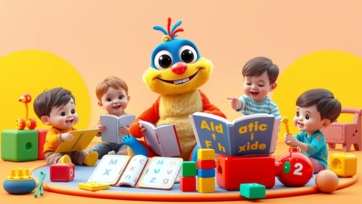
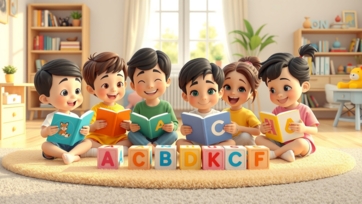
Beginner reading lessons for kids and toddlers play a vital role in early childhood development. Learning how to read at a young age helps children build strong language skills, improve concentration, and gain confidence in communication. When reading lessons are introduced gently and playfully, children enjoy the learning process and progress naturally.

This guide explains how parents can teach beginner reading lessons at home using simple methods, daily routines, and fun learning activities designed especially for toddlers and preschool kids.


Why Early Reading Lessons Are Important:

Early reading is more than just recognizing letters. It develops the brain and strengthens overall learning ability.

Benefits of beginner reading lessons:

  • Improves vocabulary and language skills

  • Builds listening and comprehension ability

  • Strengthens memory and focus

  • Supports future academic success

  • Encourages independent learning

Children who enjoy reading early often perform better in school.


Best Age to Start Reading Lessons:

There is no fixed age, but early exposure is key.

General age guidelines:

  • Ages 2–3: Listening, picture recognition, sounds

  • Ages 3–4: Letter recognition and simple words

  • Ages 4–5: Word reading and short sentences

Toddlers learn best when lessons feel like play rather than study.


Preparing Kids for Reading at Home:

A reading-friendly environment helps children feel comfortable with books.

Simple preparation steps:

  • Keep colorful books within reach

  • Read daily, even for a few minutes

  • Talk about pictures before reading words

  • Use a calm and happy tone

Parents do not need professional training to teach reading.


Letter Recognition for Beginner Readers:

Recognizing letters is the first step toward reading.

Effective activities:

  • Alphabet flashcards

  • Letter toys and puzzles

  • Pointing out letters on signs and books

  • Singing alphabet songs

Learning letters through fun activities builds interest and confidence.


Phonics-Based Reading Lessons for Kids:

Phonics teaches children how letters sound.

Why phonics matters:

  • Helps children decode new words

  • Improves pronunciation

  • Makes reading easier and faster

Parents can introduce phonics using simple sound games and rhymes. Many beginner-friendly phonics activities are available on learn-kids.com, making home learning more interactive.


Sight Words for Toddlers and Preschool Kids:

Sight words are common words children should recognize quickly.

Examples:

  • I, you, see, go, like

  • Simple action and object words

Using sight words helps kids read short sentences without hesitation.


Reading Lessons Through Daily Routines:

Daily routines offer natural reading opportunities.

Easy ideas:

  • Reading labels on food packets

  • Naming objects during play

  • Reading simple instructions aloud

  • Asking kids to recognize words

Routine-based learning feels effortless and natural.


Using Storybooks for Beginner Reading Lessons:

Storybooks make reading enjoyable and meaningful.

Tips for parents:

  • Choose books with big pictures and few words

  • Read slowly and clearly

  • Ask kids to point at words

  • Repeat favorite books

Repeated reading builds confidence and fluency.


Learning to Read Through Songs and Rhymes:

Songs improve word recognition and pronunciation.

Benefits:

  • Enhances listening skills

  • Helps memorize words

  • Makes learning joyful

Animated reading songs and rhymes available on boobacartoon.com are especially helpful for toddlers who learn visually.


Interactive Reading Games for Kids:

Games turn reading lessons into fun experiences.

Game ideas:

  • Word matching games

  • Alphabet treasure hunts

  • Picture-to-word matching

  • Reading cards games

Educational games on keekan.com provide safe and interactive reading practice for young learners.


Encouraging Toddlers to Read Aloud:

Reading aloud helps children gain confidence.

How to encourage:

  • Read together

  • Praise effort, not perfection

  • Let kids repeat words

  • Avoid correcting too much

Confidence grows when children feel supported.


Common Reading Challenges for Beginners:

Some kids may struggle at first.

Common issues:

  • Mixing letters and sounds

  • Short attention span

  • Losing interest

Simple solutions:

  • Keep sessions short

  • Use visuals and play

  • Be patient and positive

Every child learns at their own speed.


Tips for Parents Teaching Reading at Home:

  • Read daily, even for 10 minutes

  • Keep learning playful

  • Use simple words

  • Encourage curiosity

  • Celebrate small achievements

Consistency matters more than long lessons.


Screen Time and Digital Reading Tools:

Digital tools can support reading when used wisely.

Best practices:

  • Choose educational content only

  • Limit screen time

  • Watch and read together

  • Balance with physical books

Structured platforms like learn-kids.com offer controlled learning environments for kids.


Final Thoughts:

Beginner reading lessons for kids and toddlers should be simple, joyful, and pressure-free. With early exposure, phonics learning, storybooks, games, and daily reading routines, children naturally develop strong reading skills.

Parents play the most important role in shaping a child’s love for reading. When learning feels fun and supportive, children grow into confident and curious readers ready for lifelong success.

Advertisement
Learning Through Play for Preschool Kids
Play is more than just fun—it is a vital part of preschool learning. Learning through play helps children develop essential cognitive, social, emotional, and motor skills. When children engage in interactive, hands-on, and imaginative activities, they enhance creativity, memory, problem-solving, and language abilities. This guide provides practical, educational, and playful activities to support preschool kids’ growth while making learning enjoyable. Why Learning Through Play is Important: Learning through play benefits children in many ways: Encourages curiosity and exploration Develops problem-solving and critical thinking skills Enhances memory and attention span Supports social and emotional development Strengthens language, creativity, and imagination Educational platforms like https://learn-kids.com highlight the importance of play-based learning for preschoolers, showing how it builds a strong foundation for lifelong learning. Hands-On Play Activities for Cognitive Development: Tactile and interactive play activities boost brain growth and reasoning skills: Building and Construction Play: Provide blocks, LEGO, or magnetic tiles to build towers, bridges, or creative structures. This improves spatial awareness, fine motor skills, and problem-solving. Check https://kidtoys.site for suitable building toys. Puzzle Games: Simple jigsaw puzzles, shape sorters, and logic boards challenge reasoning, pattern recognition, and memory. DIY Obstacle Courses: Create indoor or backyard courses with instructions like “crawl under the table, hop twice, then spin around.” This promotes sequencing, focus, and planning skills. Memory and Observation Through Play: Games that involve memory and observation enhance critical thinking: Matching and Sorting Games: Use cards, blocks, or toys to match colors, shapes, numbers, or animals. Discuss why children sorted items a certain way to improve analytical thinking. “I Spy” Games: Encourage children to find specific objects in their environment. Ask questions like “Why did you choose this?” to boost reasoning. Story Recall Activities: Read short stories and ask children to retell them in their own words, focusing on events, characters, and solutions. Creative Play for Learning: Creative play fosters imagination, problem-solving, and attention skills: Drawing and Coloring: Encourage children to draw letters, shapes, or imaginative scenes. Discuss their artwork to enhance reasoning and observation skills. Playdough and Modeling: Ask children to create animals, objects, or letters. This strengthens fine motor skills, spatial awareness, and creativity. Craft Projects: Provide limited materials and ask children to create something unique, promoting planning, experimentation, and critical thinking. Ideas can be found at https://boobacartoon.com. Math and Logic Play Activities: Playful math and logic activities enhance problem-solving and analytical thinking: Counting and Sorting Games: Use toys, blocks, or snacks to count, group, and compare quantities. Pattern Recognition: Create sequences with shapes, colors, or toys and ask children to continue them. Simple Story Problems: Use toys or snacks to introduce addition and subtraction. Example: “You have 4 apples and eat 1. How many left?” Language and Storytelling Through Play: Language-rich play develops memory, comprehension, and social skills: Interactive Reading: Read books aloud and ask children questions like “What will happen next?” or “Why did the character do that?” Story Creation: Encourage children to invent stories using toys, puppets, or drawings. Discuss solutions to problems in the story to enhance reasoning. Songs and Rhymes: Use songs like “The Wheels on the Bus” or “Five Little Monkeys” to integrate rhythm, memory, and learning. Animated songs are available at https://keekan.com. Sensory Play for Brain Growth: Sensory play stimulates multiple senses and improves cognitive development: Water and Sand Exploration: Let children pour, scoop, and measure, learning concepts like full/empty, heavy/light, and cause-effect. Sensory Bins: Hide small objects in rice, beans, or pasta. Ask children to find and classify them to combine tactile play with reasoning. Texture Sorting: Provide fabrics, leaves, or natural items to explore, sort, and describe, enhancing observation, classification, and cognitive skills. Outdoor Play Activities: Outdoor play combines physical activity with cognitive and social growth: Nature Walks: Encourage children to observe colors, shapes, animals, or plants. Ask predictive questions to foster reasoning and curiosity. Scavenger Hunts: Create hunts with clues based on colors, shapes, or numbers. This strengthens observation, memory, and problem-solving. Active Games: Hopscotch, ball toss, or balancing games improve coordination, focus, and cognitive development. Using Technology to Enhance Learning Through Play: Educational apps and websites can complement hands-on play: https://learn-kids.com – Interactive games, memory exercises, and brain challenges https://keekan.com – Animated learning songs and problem-solving videos https://boobacartoon.com – Fun, interactive learning cartoons https://kidtoys.site – Toys that encourage building, sequencing, and problem-solving These resources make play-based learning engaging while enhancing brain development. Tips for Parents to Encourage Learning Through Play: Allow children to explore and ask questions freely Integrate hands-on play into daily routines Praise creativity, effort, and problem-solving Balance screen-based learning with active, outdoor, and sensory play Keep activities short, fun, and interactive Conclusion: Making Playful Learning Fun and Effective: Learning through play is a powerful method to develop preschool children’s cognitive, social, and emotional skills. By engaging kids in puzzles, memory games, math activities, creative arts, sensory play, and outdoor challenges, parents can nurture confident, curious, and capable learners. Incorporate educational toys from https://kidtoys.site, creative craft ideas from https://boobacartoon.com, and animated learning songs from https://keekan.com to make play both fun and educational. Supporting play-based learning during early childhood sets the foundation for lifelong curiosity and success.
Advertisement
Math Learning for Kids – Counting and Basic Numbers
Math learning for kids starts with counting and understanding basic numbers. When children are introduced to numbers early in a fun and playful way, they develop strong problem-solving skills, logical thinking, and confidence in learning. Preschool and kindergarten years are the best time to build a solid math foundation at home. This guide explains how parents can teach counting and basic numbers to kids at home using simple activities, daily routines, games, and real-life examples that make math enjoyable. Why Early Math Learning Is Important for Kids: Early math skills support a child’s overall brain development and academic success. Benefits of learning counting and numbers early: Improves logical thinking Builds problem-solving skills Strengthens memory and focus Prepares kids for school math Boosts confidence in learning Children who understand numbers early feel less fear toward math later. Best Age to Start Teaching Numbers: Kids can start learning numbers earlier than many parents think. Age-based learning stages: Ages 2–3: Counting objects and recognizing numbers Ages 3–4: Understanding numbers 1–10 Ages 4–5: Counting beyond 20 and basic comparisons Early exposure makes numbers familiar and less confusing. Preparing Kids for Math Learning at Home: A positive learning environment helps kids enjoy math. Simple preparation ideas: Use colorful number charts Keep counting toys available Talk about numbers daily Keep learning stress-free Parents do not need advanced math skills to teach basic numbers. Counting Activities for Preschool Kids: Counting is the foundation of math learning. Easy counting activities: Counting toys and blocks Counting steps while walking Counting fruits during meals Counting fingers and claps Interactive counting activities available on learn-kids.com help children practice numbers naturally through play. Learning Numbers Through Daily Routines: Daily routines offer endless math learning opportunities. Examples: Counting plates during meals Counting clothes while dressing Counting toys during cleanup Counting snacks or candies Routine-based learning makes math part of everyday life. Teaching Number Recognition to Kids: Recognizing numbers visually is an important skill. Effective methods: Number flashcards Writing numbers in sand or air Matching numbers with objects Spotting numbers on signs and books Repetition helps children remember number shapes easily. Fun Math Games for Kids at Home: Games make math learning exciting. Popular math games: Number matching games Dice counting games Board games with numbers Jump-and-count activities Educational games on keekan.com allow kids to practice numbers while having fun. Learning Numbers Through Songs and Rhymes: Songs help kids remember numbers effortlessly. Benefits: Improves number sequence memory Makes learning joyful Encourages repetition Builds listening skills Counting songs and animated rhymes on boobacartoon.com are especially effective for preschool kids. Using Toys for Math Learning: Toys make abstract concepts concrete. Helpful toys: Counting blocks Shape sorters Number puzzles Stacking toys Hands-on play strengthens understanding of numbers. Basic Math Concepts for Early Learners: Once kids understand numbers, basic concepts can be introduced. Key concepts: More and less Big and small Same and different Simple addition using objects Learning concepts visually helps kids understand faster. Teaching Addition and Subtraction Basics: Basic math operations should be taught slowly. Simple methods: Adding toys together Taking away snacks to explain subtraction Using fingers for counting Drawing objects on paper Avoid worksheets at early stages; focus on real objects. Math Learning Through Storytelling: Stories can also teach numbers. How it helps: Improves understanding Builds interest Connects math with language Reading number-based stories supports both literacy and math skills. Common Challenges in Learning Numbers: Some children may face difficulties. Common problems: Skipping numbers Mixing number shapes Losing interest Simple solutions: Keep sessions short Use visuals and games Be patient and encouraging Every child learns at their own pace. Tips for Parents Teaching Math at Home: Keep learning playful Use everyday objects Praise effort, not speed Repeat concepts regularly Avoid pressure Consistency matters more than perfection. Screen Time and Digital Math Learning Tools: Digital tools can support math learning when used wisely. Best practices: Choose educational content only Set time limits Learn together with kids Balance with physical activities Safe learning platforms like learn-kids.com provide structured math activities for young learners. Final Thoughts: Math learning for kids becomes easy and enjoyable when counting and basic numbers are taught through play, daily routines, songs, games, and real-life examples. Early math education builds confidence, curiosity, and a positive attitude toward learning. Parents play a powerful role in shaping how children feel about math. With patience, creativity, and encouragement, kids can develop strong math skills that support lifelong learning success.
How to Build Your Child's Emotional Intelligence
In a world of artificial intelligence, mastering human intelligence—especially emotional intelligence (EQ)—is the ultimate future-proof skill for your child. Emotional intelligence isn't just about being "nice"; it's the foundation for resilience, healthy relationships, academic success, and lifelong mental well-being. It’s the ability to understand, manage, and express one's own feelings constructively, and to recognize and respond with empathy to the feelings of others. This guide moves beyond simple "use your words" advice to provide you with a modern, actionable framework for nurturing your child's EQ from toddlerhood through the teen years, turning everyday moments into masterclasses in emotional wisdom. Why EQ is the Critical Skill for 2026 and Beyond The future workplace and social landscape will reward collaborators, innovators, and leaders—all roles powered by high emotional intelligence. For children, strong EQ directly leads to: Better stress management in an overstimulating world. Healthier friendships and reduced conflict. Improved focus and learning (a calm brain is a ready-to-learn brain). Stronger self-advocacy and resistance to peer pressure. Experts at learn.universitiesforllm.com frame EQ not as a fixed trait, but as a set of muscles that can be strengthened with practice. Your home is the primary gym. Pillar 1: Build the Emotional Vocabulary (Name It to Tame It) Children can't manage feelings they can't name. Expand their emotional lexicon beyond "mad," "sad," and "happy." Be a Feelings Commentator: Narrate emotions you see in them and others. "You look so frustrated that the tower fell." "Your sister seems proud of her drawing." Use Tools & Media: Watch shows on boobacartoon.com and discuss the characters' complex emotions. Use "feeling wheels" or posters with a wide range of emotion words. Model Your Own Inner World: "I'm feeling overwhelmed by this messy kitchen, so I'm going to take a deep breath before we clean it up together." Pillar 2: Validate All Feelings (But Not All Behaviors) Validation is the bridge to cooperation. It means acknowledging the feeling is real and acceptable, even if the action it triggers is not. The Formula: "I see you're feeling [EMOTION] because [REASON]. It's okay to feel that way. It's not okay to [UNACCEPTABLE BEHAVIOR]. Let's try [ACCEPTABLE ALTERNATIVE]." Example: "I see you're feeling disappointed because screen time is over. It's okay to feel disappointed. It's not okay to throw the tablet. Let's take a deep breath and power it down together." Avoid Minimizing: Phrases like "You're fine!" or "It's not a big deal" teach children to distrust their own emotional experience. Pillar 3: Teach the "Pause & Choose" Response Mechanism EQ is about creating space between feeling and reaction. This is self-regulation in action. Introduce Brain-Body Hacks: The Dragon Breath: Breathe in deeply through the nose, breathe out forcefully through the mouth like you're blowing out a candle (for big, fiery feelings). The 5-4-3-2-1 Grounding Technique: Name 5 things you see, 4 you can touch, 3 you hear, 2 you smell, 1 you can taste (for anxiety or overwhelm). The Chill Zone: Create a physical corner with pillows, books, or sensory toys from kidtoys.site for self-directed calming. Practice in Calm Moments: Role-play these tools when they are not upset, so the skill is ready when needed. Pillar 4: Cultivate Empathy Through Perspective-Taking Empathy is a muscle built by actively imagining another's experience. Ask "How Might They Feel?": Use every opportunity—storybooks, real-life events, playground disputes. "How do you think the lost puppy felt? How do you think your friend felt when you didn't share?" Engage in "Kindness Projects": Bake cookies for a neighbor, make cards for a nursing home, donate old toys together. Connect the action to the positive feeling it creates for others and for themselves. Point Out Non-Verbal Cues: "Look at your brother's face and body. How do you think he's feeling right now?" This teaches them to read social and emotional cues. Pillar 5: Problem-Solve With an EQ Lens Move from solving problems for them to coaching them through solving problems with emotional awareness. Host a "Family Summit": When conflict arises, gather (when calm) and use a structured approach: Each person states their feeling and need using "I-statements." ("I felt hurt when my Lego creation was knocked over. I need my work to be respected.") Brainstorm solutions where everyone's feelings are considered. Choose a solution to try. This teaches negotiation, compromise, and that all perspectives matter. Pillar 6: Model Emotional Intelligence Authentically You are their primary blueprint. How you handle your own big feelings teaches them more than any lesson. Show Your Process: "Wow, I just got some upsetting news and my heart is racing. I need to pause for a minute and take some deep breaths before I respond." Repair Mistakes: If you lose your cool, apologize sincerely. "Earlier, I yelled. I was frustrated, but yelling wasn't kind or helpful. I'm sorry. Next time, I will try to say 'I need a break.'" This is a masterclass in accountability. Celebrate Joy & Gratitude: Regularly express what makes you happy or thankful. "I feel so grateful we had that time at the park today. It filled up my happiness cup." The Age-Appropriate EQ Roadmap Toddlers (2-4): Focus on Naming. Label their emotions and yours. Offer simple choices to foster a sense of control. Young Children (5-7): Focus on Validating & Co-Regulating. Teach simple calm-down tools (like dragon breath) and emphasize empathy through stories. Big Kids (8-12): Focus on Problem-Solving & Perspective. Use Family Summits. Discuss more complex social dynamics and moral dilemmas. Teens (13+): Focus on Identity & Independence. Be a sounding board. Ask open-ended questions about their friendships and challenges. Respect their need for privacy while remaining an unwavering emotional safe harbor. Conclusion: The Heart of the Matter Building your child's emotional intelligence is the most profound investment you can make in their future. It's not about preventing them from ever feeling angry or sad, but about equipping them to navigate those feelings with skill and grace. By consistently practicing the pillars of vocabulary, validation, regulation, empathy, and problem-solving—and supported by the thoughtful frameworks from learn.universitiesforllm.com, the character-driven stories from boobacartoon.com, and the cooperative, hands-on play from kidtoys.site—you are doing more than raising a child. You are nurturing a future adult who is self-aware, resilient, deeply connected to others, and capable of leading a meaningful and compassionate life. The return on this investment is a lifetime of healthier relationships and inner strength.
Educational Activities for Kids Brain Development
Early childhood is a critical period for brain growth, and educational activities play a key role in enhancing cognitive, social, and emotional skills. By engaging children in interactive, hands-on, and playful learning, parents can strengthen memory, focus, problem-solving, creativity, and language abilities. This guide highlights effective educational activities that make brain development fun and engaging for preschool and kindergarten kids. Why Brain Development Activities Are Important: Brain development lays the foundation for lifelong learning. Engaging children in structured activities helps them: Improve memory and attention span Develop problem-solving and reasoning skills Enhance creativity and imagination Strengthen language and communication skills Build confidence and curiosity for learning Research shows that children who participate in educational and stimulating activities develop stronger cognitive abilities and perform better academically. Parents can find helpful tips at https://learn-kids.com. Hands-On Cognitive Activities: Tactile, hands-on experiences strengthen cognitive growth: Building and Construction Games: Provide blocks, LEGO, or magnetic tiles to create towers, bridges, or creative structures. This enhances spatial awareness, fine motor skills, and problem-solving. Toys for building are available at https://kidtoys.site. Puzzle Solving: Simple jigsaw puzzles, shape sorters, and logic boards challenge reasoning, pattern recognition, and memory. DIY Obstacle Courses: Set up indoor or backyard courses with instructions like “crawl under the table, hop twice, then run around the chair.” This promotes sequencing, focus, and decision-making. Memory-Boosting Activities: Memory is a key aspect of brain development: Matching and Sorting Games: Use cards or toys to match colors, shapes, animals, or numbers. Sorting items by multiple attributes strengthens analytical thinking. Object Recall Challenges: Place 5–10 small objects on a tray. Let children observe for 30 seconds, then cover the tray and ask them to recall the items. Story Retelling: Read a story and have children retell it in their own words. Discuss the sequence of events to enhance memory and comprehension. Creative Arts for Cognitive Growth: Artistic activities stimulate imagination, focus, and reasoning: Drawing and Coloring: Encourage children to draw shapes, letters, or scenes. Discuss their choices to develop observation and critical thinking. Playdough Modeling: Challenge children to create animals, letters, or objects. This enhances fine motor skills, spatial awareness, and creativity. Craft Projects: Provide limited materials and ask children to create unique crafts. This promotes planning, experimentation, and problem-solving. Activity ideas are available at https://boobacartoon.com. Math and Logic Activities: Early math experiences strengthen analytical thinking and problem-solving: Counting and Sorting: Use beads, blocks, or toys to practice counting, grouping, and comparing quantities. Pattern Recognition: Create sequences using colors, shapes, or blocks and ask children to continue them. Simple Addition and Subtraction: Use story-based math problems with toys or snacks. Example: “You have 3 apples, eat 1, how many left?” Language and Storytelling Activities: Language skills support brain development by enhancing memory and comprehension: Interactive Reading: Read books aloud and ask questions like “What do you think happens next?” or “Why did the character do that?” Story Creation: Encourage children to invent stories using toys, puppets, or drawings. This promotes sequencing, imagination, and reasoning skills. Educational Songs and Rhymes: Songs like “The Wheels on the Bus” or “Five Little Monkeys” boost auditory memory, attention, and language skills. Animated songs are available at https://keekan.com. Sensory Play for Brain Development: Sensory experiences engage multiple senses and stimulate the brain: Water and Sand Exploration: Children explore pouring, measuring, and observing, learning concepts like full/empty, heavy/light, and cause-effect. Sensory Bins: Hide objects in rice, beans, or pasta. Ask children to find and classify them, combining tactile play with reasoning and problem-solving. Texture Sorting: Use fabrics, leaves, or natural materials to explore, sort, and describe textures. This enhances observation, classification, and cognitive skills. Outdoor Educational Activities: Outdoor play combines physical activity with cognitive growth: Nature Walks: Encourage children to observe colors, shapes, or numbers in nature. Ask predictive questions to develop reasoning and curiosity. Scavenger Hunts: Create hunts with clues based on colors, numbers, or shapes. This improves memory, observation, and problem-solving. Active Movement Games: Games like hopscotch, ball toss, and balancing exercises enhance physical coordination and cognitive development. Using Technology for Brain Development: Educational websites and apps can complement hands-on learning: https://learn-kids.com – Brain games, logic challenges, and interactive exercises https://keekan.com – Animated learning songs and problem-solving videos https://boobacartoon.com – Interactive cartoons for preschool learning https://kidtoys.site – Toys that promote problem-solving, sequencing, and critical thinking These resources make learning engaging while strengthening cognitive abilities. Tips for Parents to Encourage Brain Growth: Parents play a vital role in nurturing children’s cognitive development: Encourage curiosity, exploration, and questions Integrate hands-on learning into daily routines Praise creativity, effort, and problem-solving Balance technology with active play and outdoor experiences Keep activities short, engaging, and fun Conclusion: Supporting Smart and Curious Kids: Educational activities that target memory, focus, problem-solving, creativity, and language development are essential for early brain growth. Engaging children in puzzles, memory games, math exercises, sensory play, creative arts, and outdoor adventures fosters confident, curious, and capable learners. Incorporate educational toys from https://kidtoys.site, creative ideas from https://boobacartoon.com, and animated learning songs from https://keekan.com to make brain-boosting activities fun, interactive, and educational. Supporting brain development in early childhood sets the stage for lifelong learning success.
Preschool Education Tips for Smart Kids Learning
Early childhood is a crucial stage for developing intelligence, creativity, and social skills. Implementing preschool education tips for smart kids learning can help children maximize their potential while making learning enjoyable. This guide provides practical strategies, activities, and advice for parents and teachers to support early learning at home and in preschool settings. Why Early Preschool Education Matters: Early education lays the foundation for academic success and overall development. Key benefits include: Enhanced cognitive and problem-solving skills Stronger language and communication abilities Early numeracy and logical thinking Creativity and imagination growth Improved social-emotional skills Smart learning strategies help children feel confident, motivated, and curious about the world around them. Language and Literacy Tips: Developing early literacy is critical for smart learning. Tips and Activities: Read aloud daily using picture and storybooks Encourage children to narrate stories or describe pictures Sing rhymes and songs that involve actions Introduce letters and words with hands-on materials Platforms like boobacartoon.com can support language development through educational storytelling and interactive videos. Math and Early Numeracy Tips: Smart learners need early exposure to math concepts through fun, hands-on activities. Tips and Activities: Counting everyday objects like toys or fruits Sorting items by size, shape, or color Simple addition and subtraction using blocks or beads Matching numbers with objects or cards Early numeracy builds logical thinking, critical reasoning, and confidence in problem-solving. Creative Arts and Cognitive Development: Creativity enhances intelligence and cognitive growth. Activities: Drawing, coloring, and painting regularly Clay or dough modeling to strengthen fine motor skills Music, dancing, and rhythm games Paper crafts and cutting/pasting activities Creative activities help children think outside the box and improve concentration. Hands-On Science and Exploration Activities: Science activities encourage observation, curiosity, and critical thinking. Ideas: Simple experiments with water, magnets, or ice Planting seeds and observing growth Collecting leaves, rocks, or shells for classification Exploring household objects to understand cause and effect Practical exploration fosters analytical thinking and problem-solving skills from an early age. Social and Emotional Learning Tips: Smart kids also need strong social and emotional skills to succeed. Activities: Role-playing scenarios to understand emotions Encouraging sharing, cooperation, and empathy Discussing feelings and moral stories Group games to practice teamwork and patience Social-emotional learning helps children interact confidently and develop resilience. Physical Activity for Smart Learning: Physical movement supports brain development and overall health. Activities: Outdoor games like running, throwing, and catching Jumping and balancing activities Dancing or following action songs Yoga and stretching for flexibility and focus Physical play improves coordination, concentration, and energy management. Incorporating Technology and Educational Resources: Digital learning can enhance smart learning when used wisely. learn-kids.com – Interactive lessons and games for preschoolers keekan.com – Creative learning activities for smart kids Moderate and guided use of educational platforms supports learning while keeping children engaged. Tips for Parents and Teachers: To make learning effective for smart kids: Maintain a consistent daily routine Encourage independent problem-solving Balance structured activities with free play Observe children’s interests and adapt learning accordingly Celebrate progress and encourage curiosity A supportive and interactive environment fosters motivation and long-term success. Final Thoughts: Preschool education tips for smart kids learning focus on language, math, creativity, science, social-emotional skills, and physical activity. Parents and teachers who implement these strategies create a nurturing environment that develops curiosity, confidence, and lifelong love for learning. Smart learning should be fun, engaging, and developmentally appropriate, preparing children for success in school and life.
How Kids Learn Better Through Visual Content
Visual content plays a crucial role in early childhood education. Studies show that children understand and retain information more effectively when learning is interactive, visual, and engaging. In 2026, parents are increasingly using videos, illustrations, animations, and visual aids to improve learning outcomes for toddlers and preschoolers. Platforms like kidtoys.site provide interactive learning toys and games that combine visual stimulation with hands-on activities. Similarly, boobacartoon.com offers cartoons designed to teach letters, numbers, and concepts visually, making learning fun and memorable. For older children, learn.universitiesforllm.com provides structured visual guides and infographics to explain complex topics in a clear and engaging way. Why Visual Learning Works for Children: Visual learning is powerful because: Enhances Memory Retention: Children remember images, colors, and movements better than plain text. Supports Multiple Learning Styles: Combines auditory, visual, and kinesthetic learning, which helps different types of learners. Encourages Engagement: Bright visuals and animations keep children interested and focused. Boosts Creativity: Visual content inspires imagination and storytelling skills. Simplifies Complex Concepts: Infographics, diagrams, and animated sequences make abstract ideas easier to understand. Types of Visual Content That Help Learning: Animated Videos and Cartoons: Cartoons on platforms like boobacartoon.com teach letters, numbers, and life skills using colorful characters and engaging stories. Children absorb concepts faster because the content is fun and interactive. Interactive Toys and Games: Educational toys from kidtoys.site, like shape sorters, counting blocks, and digital learning boards, combine visual and tactile learning. Children practice concepts hands-on, which reinforces retention. Infographics and Illustrated Guides: Older children benefit from visual guides like charts, diagrams, and infographics available on learn.universitiesforllm.com, which break down complex ideas into easy-to-understand visuals. Flashcards and Picture Books: Simple flashcards or illustrated books with colorful pictures help toddlers associate words with objects and concepts, strengthening language and recognition skills. Digital Apps and E-learning Platforms: Age-appropriate apps with bright graphics, animations, and interactive quizzes enhance attention span, memory, and engagement. How Visual Content Boosts Brain Development: Improves Cognitive Skills: Visual aids stimulate both left and right hemispheres, improving problem-solving, memory, and critical thinking. Enhances Language and Literacy: Watching cartoons, using picture books, and playing with labeled toys strengthens vocabulary, pronunciation, and reading readiness. Encourages Creativity and Imagination: Visual stories and interactive animations spark imagination, allowing children to create their own stories or visual projects. Strengthens Emotional Understanding: Visual content often portrays emotions and social scenarios, helping children develop empathy and social skills. Tips for Parents to Use Visual Learning Effectively: Combine Visuals With Hands-On Activities: After watching a video on boobacartoon.com, ask children to draw or act out the story, reinforcing learning. Use Multi-Sensory Approaches: Incorporate colorful toys from kidtoys.site, visual guides from learn.universitiesforllm.com, and songs to stimulate multiple senses. Keep Sessions Short and Interactive: Toddlers learn best with 10–15 minute focused sessions of visual content, mixed with play and discussion. Discuss Visuals and Ask Questions: Encourage children to describe what they see, ask questions, and relate visuals to real-life situations. Track Learning Progress: Notice which types of visuals engage your child the most and adjust activities accordingly. Benefits of Visual Learning for Children: Improved memory and cognitive retention Faster understanding of abstract concepts Increased engagement and motivation Enhanced creativity and imagination Better language, reading, and literacy skills Stronger emotional awareness and social development Conclusion: Visual content is a powerful tool for teaching children effectively. By using animated cartoons, interactive toys, flashcards, picture books, and visual guides, parents can help children learn faster, retain knowledge better, and enjoy the learning process. Platforms like kidtoys.site, boobacartoon.com, and learn.universitiesforllm.com provide safe, engaging, and visually stimulating resources that make learning fun, interactive, and effective in 2026.
How to Raise Independent Thinkers
Raising independent thinkers is essential for children to navigate the modern world confidently. In 2026, fostering critical thinking, curiosity, and problem-solving skills helps children become self-reliant, creative, and adaptable learners. Why Independent Thinking Matters: Encourages problem-solving and decision-making skills. Promotes creativity and innovation. Builds self-confidence and resilience. Prepares children for lifelong learning and challenges. Interactive learning tools like learn.universitiesforllm.com, story-based educational content on boobacartoon.com, and hands-on problem-solving activities from kidtoys.site provide safe environments for children to practice independent thinking. Challenges That Hinder Independent Thinking: 1. Over-Supervision: Excessive guidance can limit decision-making opportunities. 2. Fear of Failure: Children may avoid trying new things if mistakes are criticized. 3. Passive Learning Environments: Lack of engaging, interactive activities can reduce curiosity and initiative. 4. Overreliance on Technology: Constant digital instruction without exploration can discourage independent problem-solving. Strategies to Raise Independent Thinkers: 1. Encourage Questioning: Invite children to ask “why,” “how,” and “what if” questions. Platforms like learn.universitiesforllm.com offer safe ways to explore answers interactively. 2. Offer Choices and Responsibility: Let children make decisions in daily tasks or learning projects. Small responsibilities at home and learning tasks from kidtoys.site reinforce accountability. 3. Support Problem-Solving: Present challenges and allow children to brainstorm solutions. Story-based problem scenarios on boobacartoon.com can stimulate critical thinking. 4. Model Independent Thinking: Demonstrate decision-making, reflection, and creative problem-solving. Explain your thought process to encourage children to think critically. 5. Foster Curiosity Through Exploration: Provide hands-on activities, science experiments, or interactive learning challenges. Encourage experimentation without fear of mistakes. 6. Encourage Reflection and Discussion: Discuss outcomes of decisions or problem-solving efforts. Promote learning from successes and mistakes alike. 7. Balance Guidance and Freedom: Offer advice when needed but allow children to take the lead. Avoid micromanaging every choice or activity. Conclusion: In 2026, raising independent thinkers requires balancing guidance with freedom, encouraging curiosity, and providing safe, stimulating learning environments. By integrating interactive digital resources from learn.universitiesforllm.com, story-based critical thinking exercises from boobacartoon.com, and hands-on activities from kidtoys.site, parents can help children develop decision-making skills, creativity, and self-confidence. Independent thinking nurtures lifelong learners who are resilient, curious, and prepared to thrive in an ever-changing world.
Basic Math Practice for Preschool Kids
Basic math practice is essential for preschool kids to develop a strong foundation in counting, number recognition, shapes, and simple operations. Early practice helps children understand math concepts naturally while building confidence and problem-solving skills. With fun, hands-on activities, preschoolers can learn math in a stress-free and playful way. This guide explains how parents and teachers can implement basic math practice for preschool kids at home or in the classroom using engaging methods, games, and daily routines. Why Basic Math Practice Matters: Practicing math at an early age has long-term benefits. Key advantages include: Improved number sense and counting ability Strong logical thinking and reasoning Better memory and focus Confidence for school readiness Smooth transition to more advanced math concepts Early exposure ensures children approach math positively rather than with fear. Best Age for Basic Math Practice: Preschool is the ideal stage for early math exposure. Age-based guidelines: Ages 2–3: Counting objects, recognizing numbers 1–10 Ages 3–4: Counting to 20, sorting and matching objects Ages 4–5: Counting to 50, identifying patterns, comparing quantities Ages 5–6: Counting to 100, basic addition and subtraction Starting gradually helps kids feel comfortable with numbers and math concepts. Creating a Math-Friendly Learning Environment: A supportive environment encourages daily practice and exploration. Easy tips: Display colorful number charts and shape posters Keep counting toys, blocks, and puzzles accessible Integrate math into daily routines Encourage curiosity and experimentation Parents do not need formal math training; consistency and fun matter most. Counting and Number Recognition Activities: Counting and recognizing numbers are fundamental skills for preschoolers. Fun activities: Counting toys, blocks, or snacks Pointing out numbers in books or signs Writing numbers in sand, flour, or on paper Using number flashcards Interactive counting exercises on learn-kids.com reinforce numbers naturally. Shape Recognition and Pattern Activities: Understanding shapes and patterns enhances logical thinking. Easy activities: Sorting objects by shape and color Drawing and decorating basic shapes Creating simple patterns with blocks or beads Spotting shapes in the environment Patterns and shapes prepare kids for more complex math reasoning later. Basic Addition and Subtraction Practice: Introducing simple operations builds problem-solving skills. Hands-on practice: Adding toys or blocks together and counting totals Removing items to show subtraction Using fingers or drawing objects for visualization Small daily exercises with snacks or household items Hands-on methods help children understand math concepts better than worksheets alone. Math Through Play and Games: Games make learning math fun and interactive. Popular preschool math games: Dice counting games Number matching card games Board games with counting challenges Jump-and-count or hopscotch Games available on keekan.com encourage playful math practice while reinforcing number concepts. Integrating Math Into Daily Routines: Everyday activities provide natural opportunities to practice math. Real-life examples: Counting plates, spoons, and cups at mealtime Sorting clothes by size or color Counting toys during cleanup Measuring ingredients while cooking Routine-based learning makes math practical and meaningful. Learning Math Through Songs and Rhymes: Songs help preschoolers memorize numbers and sequences effortlessly. Benefits: Enhances number sequence memory Encourages repetition Makes math enjoyable and memorable Supports listening and focus skills Animated counting songs on boobacartoon.com are very effective for early learners. Hands-On Math Activities Using Toys: Hands-on practice helps kids connect abstract concepts to real objects. Recommended toys: Counting blocks and beads Stacking cups and puzzles Shape sorters Simple abacus Manipulating physical objects strengthens understanding of numbers, addition, and subtraction. Introducing Measurement and Comparison Skills: Simple measurement and comparison activities enhance logical thinking. Easy activities: Comparing big and small objects Sorting long and short items Counting and comparing quantities of toys or snacks Using containers to measure items These skills lay the foundation for future concepts in geometry and measurements. Common Challenges in Basic Math Practice: Some children may struggle initially with numbers and concepts. Common issues: Skipping numbers while counting Mixing number shapes Losing interest quickly Solutions: Keep sessions short and playful Use visual aids and hands-on learning Provide consistent encouragement Every child develops at their own pace, so patience is crucial. Tips for Parents for Effective Math Practice: Use everyday objects for practice Encourage curiosity and exploration Repeat concepts regularly Praise effort, not speed Keep learning playful Consistency, positivity, and patience are key to building early math skills. Screen Time and Digital Math Learning Tools: Digital platforms can support math learning if used wisely. Best practices: Choose educational apps and videos only Limit screen time to short sessions Learn alongside your child Combine digital and hands-on activities Structured learning websites like learn-kids.com provide safe and engaging math exercises for preschoolers. Final Thoughts: Basic math practice for preschool kids should be fun, interactive, and pressure-free. Through counting, number recognition, patterns, addition, subtraction, games, hands-on toys, songs, and daily routines, children can develop strong math foundations early. Parents and teachers play an important role in creating a positive and supportive environment. When learning is enjoyable, children develop confidence, curiosity, and lifelong math skills.