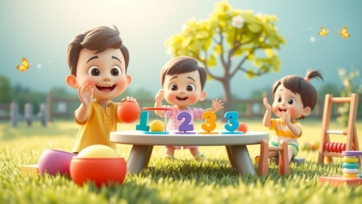
Math Learning for Kids – Counting and Basic Numbers

Math learning for kids starts with counting and understanding basic numbers. When children are introduced to numbers early in a fun and playful way, they develop strong problem-solving skills, logical thinking, and confidence in learning. Preschool and kindergarten years are the best time to build a solid math foundation at home.

This guide explains how parents can teach counting and basic numbers to kids at home using simple activities, daily routines, games, and real-life examples that make math enjoyable.


Why Early Math Learning Is Important for Kids:

Early math skills support a child’s overall brain development and academic success.

Benefits of learning counting and numbers early:

  • Improves logical thinking

  • Builds problem-solving skills

  • Strengthens memory and focus

  • Prepares kids for school math

  • Boosts confidence in learning

Children who understand numbers early feel less fear toward math later.


Best Age to Start Teaching Numbers:

Kids can start learning numbers earlier than many parents think.

Age-based learning stages:

  • Ages 2–3: Counting objects and recognizing numbers

  • Ages 3–4: Understanding numbers 1–10

  • Ages 4–5: Counting beyond 20 and basic comparisons

Early exposure makes numbers familiar and less confusing.


Preparing Kids for Math Learning at Home:

A positive learning environment helps kids enjoy math.

Simple preparation ideas:

  • Use colorful number charts

  • Keep counting toys available

  • Talk about numbers daily

  • Keep learning stress-free

Parents do not need advanced math skills to teach basic numbers.


Counting Activities for Preschool Kids:

Counting is the foundation of math learning.

Easy counting activities:

  • Counting toys and blocks

  • Counting steps while walking

  • Counting fruits during meals

  • Counting fingers and claps

Interactive counting activities available on learn-kids.com help children practice numbers naturally through play.


Learning Numbers Through Daily Routines:

Daily routines offer endless math learning opportunities.

Examples:

  • Counting plates during meals

  • Counting clothes while dressing

  • Counting toys during cleanup

  • Counting snacks or candies

Routine-based learning makes math part of everyday life.


Teaching Number Recognition to Kids:

Recognizing numbers visually is an important skill.

Effective methods:

  • Number flashcards

  • Writing numbers in sand or air

  • Matching numbers with objects

  • Spotting numbers on signs and books

Repetition helps children remember number shapes easily.


Fun Math Games for Kids at Home:

Games make math learning exciting.

Popular math games:

  • Number matching games

  • Dice counting games

  • Board games with numbers

  • Jump-and-count activities

Educational games on keekan.com allow kids to practice numbers while having fun.


Learning Numbers Through Songs and Rhymes:

Songs help kids remember numbers effortlessly.

Benefits:

  • Improves number sequence memory

  • Makes learning joyful

  • Encourages repetition

  • Builds listening skills

Counting songs and animated rhymes on boobacartoon.com are especially effective for preschool kids.


Using Toys for Math Learning:

Toys make abstract concepts concrete.

Helpful toys:

  • Counting blocks

  • Shape sorters

  • Number puzzles

  • Stacking toys

Hands-on play strengthens understanding of numbers.


Basic Math Concepts for Early Learners:

Once kids understand numbers, basic concepts can be introduced.

Key concepts:

  • More and less

  • Big and small

  • Same and different

  • Simple addition using objects

Learning concepts visually helps kids understand faster.


Teaching Addition and Subtraction Basics:

Basic math operations should be taught slowly.

Simple methods:

  • Adding toys together

  • Taking away snacks to explain subtraction

  • Using fingers for counting

  • Drawing objects on paper

Avoid worksheets at early stages; focus on real objects.


Math Learning Through Storytelling:

Stories can also teach numbers.

How it helps:

  • Improves understanding

  • Builds interest

  • Connects math with language

Reading number-based stories supports both literacy and math skills.


Common Challenges in Learning Numbers:

Some children may face difficulties.

Common problems:

  • Skipping numbers

  • Mixing number shapes

  • Losing interest

Simple solutions:

  • Keep sessions short

  • Use visuals and games

  • Be patient and encouraging

Every child learns at their own pace.


Tips for Parents Teaching Math at Home:

  • Keep learning playful

  • Use everyday objects

  • Praise effort, not speed

  • Repeat concepts regularly

  • Avoid pressure

Consistency matters more than perfection.


Screen Time and Digital Math Learning Tools:

Digital tools can support math learning when used wisely.

Best practices:

  • Choose educational content only

  • Set time limits

  • Learn together with kids

  • Balance with physical activities

Safe learning platforms like learn-kids.com provide structured math activities for young learners.


Final Thoughts:

Math learning for kids becomes easy and enjoyable when counting and basic numbers are taught through play, daily routines, songs, games, and real-life examples. Early math education builds confidence, curiosity, and a positive attitude toward learning.

Parents play a powerful role in shaping how children feel about math. With patience, creativity, and encouragement, kids can develop strong math skills that support lifelong learning success.

Advertisement
Effective Daily Learning Routine for Young Kids to Boost Skills and Creativity
A well-structured daily learning routine is crucial for young children to develop cognitive, social, and creative skills. In 2026, parents are focusing on routines that balance learning, play, and rest, allowing children to stay motivated and curious. By combining interactive toys, visual content, and hands-on activities, children can build strong foundational skills while enjoying the learning process. Websites like kidtoys.site provide interactive learning toys that can be incorporated into a daily routine, offering children opportunities to explore shapes, numbers, and colors through play. Similarly, boobacartoon.com offers educational cartoons that introduce letters, storytelling, and basic science concepts visually, keeping learning engaging and fun. For older children, learn.universitiesforllm.com provides structured learning guides and visual resources that can complement daily educational activities. Why a Daily Learning Routine Matters: Consistency Builds Habits: Regular routines teach children time management and responsibility. Supports Cognitive Development: Structured activities stimulate problem-solving, memory, and reasoning. Encourages Social Skills: Group play and interaction during routine activities improve communication. Reduces Stress: Predictable schedules make children feel secure and confident. Fosters Creativity: Daily creative activities spark imagination and curiosity. Morning Routine for Young Learners: Start With a Healthy Breakfast and Conversation: A nutritious breakfast fuels the brain, and morning conversations encourage language development. Ask simple questions to spark curiosity and reasoning. Morning Learning Activity: Use interactive toys from kidtoys.site for activities like counting blocks, shape puzzles, or alphabet games. This hands-on learning sets the tone for a productive day. Visual Learning Segment: Short, educational cartoons from boobacartoon.com can reinforce concepts like letters, numbers, and colors visually. Midday Routine: Outdoor or Physical Play: Engage children in active play, nature walks, or simple exercise routines to enhance motor skills and overall health. Creative Arts and Crafts: Introduce drawing, painting, or clay modeling to develop fine motor skills and imagination. Visual guides and ideas from learn.universitiesforllm.com can provide structured inspiration for creative projects. Snack and Reflection Time: Offer a healthy snack and a few minutes to discuss what they learned or observed during play. Afternoon Routine: Storytelling and Reading Time: Read picture books or short stories to encourage language development and comprehension skills. Children can recreate stories through role-play, boosting creativity and understanding. Interactive Learning Games: Use educational board games or puzzles to strengthen problem-solving abilities. Resources from kidtoys.site help make these games both fun and instructional. Short Digital Learning Session: A brief, focused session with animated content from boobacartoon.com introduces concepts in an engaging, visual manner without screen overload. Evening Routine: Reflection and Discussion: Talk about the day’s activities, what was fun, and what they discovered. Encourage children to ask questions and explore ideas. Free Play and Imaginative Activities: Allow time for unstructured play where children can experiment, invent, and role-play, fostering curiosity and independent thinking. Wind-Down Routine: Include quiet reading or soft music before bed to promote relaxation and prepare for a restful sleep. Tips for Parents to Maintain a Daily Learning Routine: Stay Flexible: Adjust activities based on the child’s mood and attention span. Balance Learning and Play: Include hands-on, creative, and digital learning in moderation. Use Educational Resources: Incorporate tools and content from kidtoys.site, boobacartoon.com, and learn.universitiesforllm.com to diversify learning. Set Clear Expectations: Clearly define playtime, learning, and rest periods. Encourage Curiosity: Let children explore topics that interest them and guide them gently. Benefits of a Structured Daily Routine: Improved focus and attention span Better memory retention and concept understanding Enhanced creativity and problem-solving skills Stronger emotional and social development Consistent growth in cognitive and motor abilities Reduced stress and more confident learners Conclusion: A well-planned daily learning routine helps young children grow academically, socially, and creatively. By combining structured activities, free play, visual content, and educational tools, children can develop a love for learning naturally. Resources like kidtoys.site, boobacartoon.com, and learn.universitiesforllm.com make implementing a daily learning routine easy, engaging, and effective in 2026.
Advertisement
Teaching Life Skills at Home: Raising Independent and Confident Kids in 2026
Academic success alone is not enough to prepare children for real life. In 2026, parents are increasingly realizing the importance of teaching life skills at home—skills that help children manage daily tasks, make decisions, communicate effectively, and grow into responsible individuals. Life skills education does not require formal lessons or expensive tools. It grows naturally through daily routines, practical activities, and guided independence. This article explains how parents can teach essential life skills at home in a calm, structured, and age-appropriate way. What Are Life Skills for Children?: Life skills are practical abilities that help children handle everyday situations confidently. Essential Life Skills for Kids Include: Self-care and hygiene Communication and emotional expression Problem-solving and decision-making Time management and responsibility Basic household skills When supported with structured learning platforms like learn.universitiesforllm.com, creative storytelling from boobacartoon.com, and hands-on activities inspired by kidtoys.site, life skills learning becomes natural and enjoyable. Why Teaching Life Skills at Home Matters: Children learn best in familiar environments where they feel safe and trusted. Benefits of Life Skills Education at Home: Builds independence and confidence Reduces dependency on parents Improves emotional intelligence Prepares children for real-world challenges Strengthens parent-child relationships Life skills help children apply academic knowledge in meaningful ways. Core Life Skills Parents Can Teach at Home: 1. Self-Care and Personal Responsibility: Teaching children to care for themselves is the foundation of independence. Dressing themselves Managing personal hygiene Organizing school supplies Cleaning their personal space These habits create discipline without pressure. 2. Communication and Emotional Skills: Children need to express thoughts and feelings clearly. Encourage children to talk about emotions Teach respectful listening Use storytelling from boobacartoon.com to discuss emotions and choices Practice calm conversations during conflicts Strong communication builds emotional balance. 3. Decision-Making and Problem-Solving: Let children make small choices daily. Choosing clothes Planning activities Solving simple household problems Structured thinking activities from learn.universitiesforllm.com can reinforce logical decision-making skills. Practical Life Skills Through Daily Activities: Kitchen Skills: Measuring ingredients Preparing simple meals Cleaning after cooking These activities teach math, responsibility, and patience. Money Awareness: Understanding saving and spending Making small purchase decisions Discussing needs vs wants Children develop financial awareness early through guided practice. Time Management: Creating daily routines Setting simple goals Managing screen and study time Time skills help children feel in control of their day. Teaching Life Skills Through Play: Play is one of the most effective ways to teach life skills. Role-playing real-life situations Cooperative games that require teamwork Hands-on learning tools inspired by kidtoys.site Play-based learning makes responsibility feel fun, not forced. Age-Appropriate Life Skills Learning: Early Childhood: Putting toys away Following simple instructions Identifying emotions Middle Childhood: Managing homework Helping with household tasks Communicating needs clearly Pre-Teens: Planning schedules Managing personal belongings Solving conflicts independently Life skills should grow gradually with age and maturity. Common Mistakes Parents Should Avoid: Doing Everything for the Child: Over-helping reduces confidence. Expecting Perfection: Mistakes are part of learning. Using Pressure or Punishment: Life skills grow best through trust and guidance. How Digital Tools Support Life Skills Learning: In 2026, balanced digital support enhances real-life learning. learn.universitiesforllm.com helps children think critically and solve problems independently boobacartoon.com supports emotional learning through stories kidtoys.site inspires hands-on activities that mirror real-world tasks Digital tools should support, not replace, real-life experiences. How Life Skills Shape a Child’s Future: Children who develop strong life skills: Handle challenges calmly Communicate confidently Adapt easily to change Show responsibility and empathy Become self-reliant learners Life skills prepare children not just for school—but for life. Conclusion: Teaching life skills at home in 2026 is about empowerment, not control. When parents involve children in daily activities, allow decision-making, and encourage independence, children naturally develop confidence and responsibility. With thoughtful guidance, supportive platforms like learn.universitiesforllm.com, emotional storytelling from boobacartoon.com, and hands-on learning inspired by kidtoys.site, parents can raise capable, balanced, and independent children ready to face the real world.
Math Skills for Kindergarten Kids at Home
Developing math skills at home helps kindergarten kids build confidence and problem-solving abilities early. Engaging, playful, and hands-on activities make math learning enjoyable while laying the foundation for future academic success. Parents can integrate counting, number recognition, patterns, addition, and subtraction into daily routines to strengthen children’s early math abilities. This guide provides practical, parent-approved methods for teaching math skills at home in a fun and effective way. Why Early Math Skills Matter for Kindergarten Kids: Early math learning is crucial for both academic and cognitive development. Key benefits include: Strong counting and number recognition Improved logical thinking and reasoning Better memory, focus, and attention Confidence in school readiness Smooth transition to advanced math concepts Children exposed to early math feel more comfortable and confident in classroom settings. Best Age to Focus on Math at Home: Kindergarten (ages 4–6) is the ideal stage to reinforce math concepts at home. Age-based learning suggestions: Ages 4–5: Counting 1–50, recognizing numbers, sorting objects, simple patterns Ages 5–6: Counting 1–100, basic addition and subtraction, number comparison, patterns Starting gradually ensures children remain motivated and confident. Creating a Home Environment for Math Learning: A supportive home environment encourages consistent practice. Tips for parents: Display colorful number charts and shape posters Keep counting toys, puzzles, and blocks easily accessible Use math in daily activities and routines Encourage hands-on exploration and curiosity Fun and consistency are more important than formal lessons. Counting and Number Recognition Activities: Counting and recognizing numbers are essential skills. Effective activities: Counting toys, blocks, or household objects Matching number cards with objects Tracing numbers in sand, flour, or on paper Singing counting songs together Interactive activities on learn-kids.com help children practice numbers naturally and enjoyably. Patterns and Sorting Games for Kindergarten Kids: Recognizing patterns improves logical thinking and problem-solving. Fun activities: Sorting objects by size, color, or shape Creating sequences with blocks or beads Identifying patterns in the environment Playing matching or sorting games Patterns prepare children for addition, subtraction, and more advanced math concepts. Introducing Basic Addition and Subtraction: Hands-on activities help children understand early operations. Simple methods: Adding toys or snacks and counting the total Removing items to illustrate subtraction Using fingers or drawings to visualize problems Daily exercises integrated into playtime Hands-on activities enhance understanding better than worksheets alone. Math Games to Make Learning Fun: Games turn practice into playful learning. Popular activities: Dice games for counting and number recognition Number matching or board games Hopscotch and jump-count activities Sorting competitions using everyday items Educational games on keekan.com support early math learning while keeping children engaged. Using Daily Routines for Math Practice: Everyday experiences offer natural opportunities for learning. Examples: Counting plates, cups, or utensils Sorting laundry by size or color Measuring ingredients while cooking Counting toys during cleanup Routine-based math learning is practical and effective. Songs and Rhymes for Reinforcing Math Skills: Songs and rhymes help children memorize numbers and sequences. Benefits: Improves number memory and sequence Encourages repetition and active participation Makes learning fun and interactive Develops listening and focus skills Animated counting songs on boobacartoon.com are engaging for young learners. Hands-On Math Activities Using Toys: Physical interaction helps children grasp abstract concepts. Recommended toys: Counting blocks and beads Number puzzles and stacking cups Shape sorters and abacus Simple board games with numbers Hands-on activities strengthen understanding of counting, addition, and subtraction. Introducing Measurement and Comparison Skills: Comparisons and measurement help develop logical thinking. Easy activities: Comparing big and small objects Sorting long and short items Counting and comparing quantities Measuring ingredients in the kitchen Early exposure prepares children for geometry and advanced math concepts. Common Challenges and Solutions: Kindergarten kids may face learning challenges initially. Common issues: Skipping numbers or sequences Confusing shapes or numbers Losing focus quickly Solutions: Keep sessions short and playful Use visual aids and hands-on methods Praise effort and curiosity rather than speed Patience and consistency are key for success. Tips for Parents for Home Math Learning: Make learning fun and interactive Repeat concepts regularly Use everyday objects to practice Encourage hands-on exploration Praise curiosity and effort Positive reinforcement and regular practice help children develop strong math skills. Digital Tools for Math Practice at Home: Digital tools can enhance math learning if used wisely. Best practices: Choose educational apps or videos Limit screen time Participate alongside your child Combine digital learning with hands-on activities Platforms like learn-kids.com offer safe, structured, and interactive math exercises. Final Thoughts: Math skills for kindergarten kids at home are most effectively developed through playful counting, number recognition, patterns, addition, subtraction, games, hands-on toys, songs, and daily routines. Early math exposure builds confidence, logical thinking, and problem-solving skills, preparing children for school and beyond. Parents and teachers play a crucial role in making math enjoyable and interactive. Positive experiences foster curiosity, confidence, and a lifelong love for learning numbers.
Learn English Words Easily for Preschool Kids
Learning English words at an early age helps preschool kids build strong communication, reading, and thinking skills. When children learn new words in a fun and engaging way, they develop confidence and curiosity toward language. Parents can easily support vocabulary learning at home using playful and simple activities. This guide explains how preschool kids can learn English words easily at home using games, stories, routines, and interactive methods designed especially for young learners. Why Vocabulary Learning Is Important for Preschool Kids: Vocabulary is the foundation of language learning. The more words a child understands, the easier it becomes to speak, read, and write. Benefits of early English word learning: Improves speaking confidence Builds better sentence formation Supports reading readiness Enhances listening skills Boosts school performance Early word learning helps children express thoughts clearly. Best Age to Start Learning English Words: Preschool age is the best time to introduce English words naturally. Ideal stages: Ages 2–3: Listening and recognizing words Ages 3–4: Speaking simple words Ages 4–5: Using words in short sentences Young children learn faster because their brains absorb language naturally. Creating a Word-Rich Home Environment: A learning-friendly home environment encourages daily vocabulary growth. Easy steps: Label objects like door, chair, table Use English during daily routines Keep colorful word books visible Talk slowly using simple words Children learn best through repetition and exposure. Daily Routine-Based English Word Learning: Daily activities are excellent learning moments. Examples: Naming foods during meals Talking about clothes while dressing Naming toys during playtime Using action words like run, jump, sit Routine-based learning feels natural and stress-free. Fun English Word Learning Activities for Preschool Kids: Children learn faster when learning feels like play. Popular activities: Picture card matching Object naming games Sorting objects by color or shape Word repetition through songs Websites like learn-kids.com offer interactive learning activities that help kids remember words easily. Learning English Words Through Stories: Storytelling introduces new words naturally. How to do it: Read short picture books Point at pictures and name objects Repeat favorite stories Ask simple questions Stories improve vocabulary and listening skills together. English Word Learning Through Songs and Rhymes: Songs help kids remember words easily. Benefits: Improves pronunciation Builds rhythm and listening skills Encourages repetition Makes learning enjoyable Animated rhyme videos available on boobacartoon.com are very effective for preschool learners. Using Educational Videos for Word Learning: Videos support visual and auditory learning. Best practices: Choose age-appropriate content Watch together with children Repeat words aloud Limit screen time Short videos are more effective than long sessions. Learning English Words Through Play: Play-based learning keeps kids engaged. Game ideas: Word guessing games Toy-based naming activities Alphabet and word puzzles Action-based games Interactive educational games available on keekan.com help children practice words through fun challenges. Speaking Practice for Preschool Kids: Speaking helps children use words confidently. Simple speaking activities: Asking kids to name objects Encouraging short answers Role-playing with toys Describing pictures Always praise effort instead of focusing on mistakes. Common Challenges in Vocabulary Learning: Some children may struggle initially. Common problems: Shyness Short attention span Mixing languages Simple solutions: Be patient and consistent Keep sessions short Use positive encouragement Every child learns at a different pace. Tips for Parents Teaching English Words at Home: Use simple and clear words Repeat words daily Make learning playful Avoid pressure Celebrate small progress Consistency is more important than speed. Final Thoughts: Learning English words easily for preschool kids is possible with daily exposure, play-based activities, stories, songs, and routine conversations. When parents create a positive and fun learning environment, children naturally develop strong vocabulary skills. Helping children enjoy learning today prepares them for confident communication and academic success tomorrow.
How to Stop Kids from Watching Inappropriate Content in 2026
In the digital age, children have easy access to vast amounts of online content. While the internet can be educational and entertaining, it also exposes children to inappropriate material. Learning how to stop kids from watching inappropriate content is crucial for parents in 2026 to ensure safe and balanced screen habits. Why Monitoring Online Content Matters: Exposure to inappropriate content can lead to: Confusion about age-appropriate behavior. Fear, anxiety, or exposure to harmful ideas. Imitation of unsafe behaviors. Reduced focus on education and offline activities. Parents can safeguard children by guiding them toward curated platforms such as boobacartoon.com, kidtoys.site, and learn.universitiesforllm.com. Signs Your Child May Be Exposed to Inappropriate Content: 1. Sudden Changes in Behavior: Aggression, fear, or unusual curiosity about inappropriate topics. Withdrawal from family or peers after screen use. 2. Obsession with Specific Media: Repeatedly seeking out certain videos or apps. Inability to stop watching certain online content. 3. Secretive Device Use: Hiding devices or minimizing screens when parents approach. Visiting unapproved websites or using multiple apps to bypass restrictions. Strategies to Stop Inappropriate Viewing: 1. Use Parental Controls and Monitoring Tools: Built-in tools like Google Family Link for Android or Screen Time for iPhone help manage access. Third-party apps like Qustodio, Net Nanny, and Bark monitor and restrict unsafe content. Approve only trusted apps, games, and websites such as boobacartoon.com or kidtoys.site. 2. Establish Clear Rules and Expectations: Define acceptable online activities and explain why restrictions exist. Set consistent daily screen time limits. Discuss consequences if rules are broken. 3. Promote Safe and Educational Alternatives: Encourage use of learn.universitiesforllm.com for structured lessons. Introduce creative games, storytelling, and interactive activities on boobacartoon.com. Provide hands-on offline activities like puzzles, art projects, or building toys from kidtoys.site. 4. Co-View and Guide Screen Time: Watch videos or play games together to model safe online behavior. Discuss what is appropriate and why some content is unsuitable. Encourage children to ask questions about confusing or scary content. 5. Foster Open Communication: Create an environment where children feel comfortable sharing what they see online. Regularly check in about favorite apps, videos, or games. Praise children for responsible online choices to reinforce positive behavior. 6. Teach Critical Thinking and Digital Awareness: Encourage children to question the content they see online. Explain the difference between reality and fictional or exaggerated media. Reinforce the importance of privacy, safety, and respectful digital behavior. 7. Rotate Content and Encourage Balance: Avoid over-reliance on a single platform or device. Mix online learning, creative activities, and outdoor play to reduce screen dependency. Introduce variety in apps, videos, and games to keep children engaged safely. Conclusion: Stopping kids from watching inappropriate content in 2026 involves a mix of parental guidance, safe platforms, and open communication. By using curated educational resources like learn.universitiesforllm.com, safe entertainment from boobacartoon.com, and interactive play on kidtoys.site, parents can protect children while fostering curiosity and learning. Combining parental controls, co-viewing, and guided screen time with offline activities ensures children enjoy technology safely and develop healthy digital habits.
Preschool Education Tips for Smart Kids Learning
Early childhood is a crucial stage for developing intelligence, creativity, and social skills. Implementing preschool education tips for smart kids learning can help children maximize their potential while making learning enjoyable. This guide provides practical strategies, activities, and advice for parents and teachers to support early learning at home and in preschool settings. Why Early Preschool Education Matters: Early education lays the foundation for academic success and overall development. Key benefits include: Enhanced cognitive and problem-solving skills Stronger language and communication abilities Early numeracy and logical thinking Creativity and imagination growth Improved social-emotional skills Smart learning strategies help children feel confident, motivated, and curious about the world around them. Language and Literacy Tips: Developing early literacy is critical for smart learning. Tips and Activities: Read aloud daily using picture and storybooks Encourage children to narrate stories or describe pictures Sing rhymes and songs that involve actions Introduce letters and words with hands-on materials Platforms like boobacartoon.com can support language development through educational storytelling and interactive videos. Math and Early Numeracy Tips: Smart learners need early exposure to math concepts through fun, hands-on activities. Tips and Activities: Counting everyday objects like toys or fruits Sorting items by size, shape, or color Simple addition and subtraction using blocks or beads Matching numbers with objects or cards Early numeracy builds logical thinking, critical reasoning, and confidence in problem-solving. Creative Arts and Cognitive Development: Creativity enhances intelligence and cognitive growth. Activities: Drawing, coloring, and painting regularly Clay or dough modeling to strengthen fine motor skills Music, dancing, and rhythm games Paper crafts and cutting/pasting activities Creative activities help children think outside the box and improve concentration. Hands-On Science and Exploration Activities: Science activities encourage observation, curiosity, and critical thinking. Ideas: Simple experiments with water, magnets, or ice Planting seeds and observing growth Collecting leaves, rocks, or shells for classification Exploring household objects to understand cause and effect Practical exploration fosters analytical thinking and problem-solving skills from an early age. Social and Emotional Learning Tips: Smart kids also need strong social and emotional skills to succeed. Activities: Role-playing scenarios to understand emotions Encouraging sharing, cooperation, and empathy Discussing feelings and moral stories Group games to practice teamwork and patience Social-emotional learning helps children interact confidently and develop resilience. Physical Activity for Smart Learning: Physical movement supports brain development and overall health. Activities: Outdoor games like running, throwing, and catching Jumping and balancing activities Dancing or following action songs Yoga and stretching for flexibility and focus Physical play improves coordination, concentration, and energy management. Incorporating Technology and Educational Resources: Digital learning can enhance smart learning when used wisely. learn-kids.com – Interactive lessons and games for preschoolers keekan.com – Creative learning activities for smart kids Moderate and guided use of educational platforms supports learning while keeping children engaged. Tips for Parents and Teachers: To make learning effective for smart kids: Maintain a consistent daily routine Encourage independent problem-solving Balance structured activities with free play Observe children’s interests and adapt learning accordingly Celebrate progress and encourage curiosity A supportive and interactive environment fosters motivation and long-term success. Final Thoughts: Preschool education tips for smart kids learning focus on language, math, creativity, science, social-emotional skills, and physical activity. Parents and teachers who implement these strategies create a nurturing environment that develops curiosity, confidence, and lifelong love for learning. Smart learning should be fun, engaging, and developmentally appropriate, preparing children for success in school and life.
How to Teach Reading Skills to Preschool Kids
Teaching reading skills to preschool kids is one of the most valuable steps in early childhood education. How to teach reading skills to preschool kids is a common question among parents and teachers who want children to develop strong literacy foundations before formal schooling. At this stage, reading should be fun, interactive, and pressure-free. This guide explains simple, effective, and age-appropriate methods to help preschool children learn reading skills naturally at home or in early learning classrooms. Why Teaching Reading Skills Early Is Important: Early reading instruction supports overall brain and language development. Key benefits include: Strong vocabulary and language skills Better listening and comprehension Early phonics and decoding ability Increased confidence and focus Smooth transition to school learning Children who enjoy reading early often become independent and motivated learners. Understanding Preschool Reading Readiness: Before teaching reading, it is important to recognize readiness signs. Preschool readiness includes: Recognizing some letters Listening to stories attentively Enjoying picture books Identifying familiar sounds Showing curiosity about words Reading should begin gradually, based on interest rather than pressure. Start with Letter Sounds and Phonics: Phonics is the foundation of reading. How to begin: Teach letter sounds before letter names Introduce one sound at a time Use picture cards (B for ball, C for cat) Repeat sounds during daily conversation Animated phonics content from boobacartoon.com helps preschoolers connect sounds with visuals in an engaging way. Use Read-Aloud Sessions Daily: Reading aloud is one of the most effective teaching methods. Best practices: Read aloud for 10–15 minutes daily Choose colorful picture books Point to words while reading Change voice tones for characters Read-aloud sessions build listening skills and story comprehension. Teach Word Blending Slowly: Blending sounds helps children read words. Activities: Blend simple sounds slowly (c-a-t → cat) Use magnetic letters or tiles Practice short CVC words Encourage children to repeat sounds Blending should always be practiced in a fun and relaxed manner. Introduce Sight Words Gradually: Sight words improve reading fluency. Examples: the, is, am, see, go, we, can Use word cards during play Read simple sentences repeatedly Spot sight words in storybooks Recognizing common words helps children read smoothly. Make Reading Interactive and Fun: Interactive reading keeps children engaged. Ideas: Ask questions during reading Let children predict story endings Encourage children to repeat sentences Act out story scenes Interactive reading improves comprehension and confidence. Use Play-Based Reading Activities: Play is a natural way to teach reading. Activities: Pretend reading with toys Word and picture matching games Alphabet and word puzzles Labeling objects around the house Websites like learn-kids.com offer play-based reading activities that support early literacy. Create a Reading-Friendly Environment: The learning environment plays a major role. Simple steps: Keep books within reach Create a quiet reading corner Read at the same time daily Let children choose books A comfortable environment encourages regular reading habits. Use Digital Resources Wisely: Digital tools can support reading when used responsibly. keekan.com – Beginner reading and phonics activities learn-kids.com – Interactive reading games kidtoys.site – Educational toys that support early reading Screen time should always be guided and balanced with physical books. Common Reading Challenges and Solutions: Some preschoolers may struggle initially. Solutions: Avoid forcing reading Repeat favorite books Focus on effort, not perfection Keep sessions short and positive Every child learns at their own pace. Tips for Parents and Teachers: Be a reading role model Praise small progress Stay patient and consistent Mix reading with play Follow the child’s interest Supportive adults make learning enjoyable and effective. Final Thoughts: How to teach reading skills to preschool kids depends on patience, consistency, and creativity. By combining phonics, read-aloud sessions, sight words, interactive storytelling, play-based learning, and daily routines, parents and teachers can help children become confident early readers. The goal is to make reading fun, meaningful, and pressure-free, helping children develop a lifelong love for books and learning.
6-Month Homeschool Plan for Kids: A 2026 Parent’s Guide
Creating a structured homeschool plan ensures that children have a balanced, engaging, and progressive learning experience. In 2026, a 6-month homeschool plan can combine digital resources, hands-on activities, and creative learning to keep children motivated and developing skills consistently. Why a 6-Month Plan Helps: Provides structure and routine while remaining flexible. Allows children to master subjects gradually without overwhelming them. Integrates digital learning, hands-on play, and critical thinking activities. Helps parents track progress and adapt teaching methods. Platforms like learn.universitiesforllm.com, interactive storytelling from boobacartoon.com, and tactile learning with kidtoys.site are perfect for planning and reinforcing lessons. Step 1: Define Goals and Subjects Identify core subjects: Math, Language, Science, Social Studies, Arts, and Life Skills. Include critical thinking, problem-solving, and creativity exercises. Allocate extra time for reading, physical activity, and digital literacy. Step 2: Break Into Monthly Modules Month 1–2: Foundation Building Focus on basic concepts and routines. Encourage curiosity through interactive games on learn.universitiesforllm.com. Use hands-on activities like building blocks or experiments from kidtoys.site. Month 3–4: Skill Development Introduce intermediate concepts and small projects. Story-based learning and role-play from boobacartoon.com enhance understanding. Include group activities or online co-ops for social interaction. Month 5–6: Mastery and Creativity Focus on applying knowledge through projects and problem-solving challenges. Encourage children to create presentations, models, or experiments. Review previous months’ lessons and track progress. Step 3: Daily and Weekly Routine Morning: Core subjects (Math, Language, Science) with breaks every 45–60 minutes. Afternoon: Creative activities, arts, and hands-on experiments. Evening: Reading, reflection, and interactive learning through boobacartoon.com or educational apps. Step 4: Monitor Progress Keep a logbook or digital tracker to monitor skills and milestones. Encourage children to reflect on what they learned. Adjust pace and content based on their interests and strengths. Step 5: Incorporate Social and Physical Activities Plan weekly outdoor activities, group projects, and virtual collaborations. Use interactive toys from kidtoys.site for learning games that involve teamwork. Encourage mindfulness, emotional intelligence, and cooperation. Conclusion: A 6-month homeschool plan in 2026 provides structure, creativity, and personalized learning for children. By combining interactive digital platforms like learn.universitiesforllm.com, story-based lessons from boobacartoon.com, and hands-on play from kidtoys.site, parents can ensure that their children develop academically, socially, and emotionally. A well-planned 6-month homeschool program sets the stage for lifelong learning, curiosity, and independent thinking.