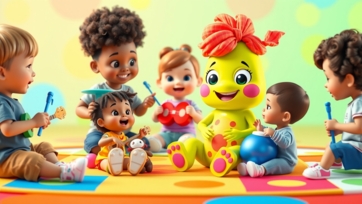
Best Preschool Learning Activities for Kids and Toddlers

Preschool years are the foundation of a child’s learning journey. Between ages 2 to 5, children absorb information faster than at any other stage of life. The right preschool learning activities for kids and toddlers can significantly improve language skills, early math understanding, emotional intelligence, and creativity.

Parents often think preschool education requires formal classrooms or expensive programs, but research shows that home-based preschool learning activities can be equally powerful when planned correctly. This article shares effective, fun, and age-appropriate learning activities that support early development while keeping children happy and engaged.


Why Preschool Learning Activities Are Important:

Preschool education is not about academic pressure; it’s about building curiosity and confidence. Early learning activities help children understand the world around them while developing essential life skills.

Key benefits include:

  • Stronger communication skills

  • Improved memory and focus

  • Better emotional control

  • Early problem-solving abilities

  • Smooth transition to school life

When parents actively participate, children feel supported and motivated to learn.


Play-Based Learning Activities for Preschoolers:

Play is the most effective learning tool for young children. Through play, kids explore ideas, test boundaries, and develop imagination.

Examples of play-based learning:

  • Building blocks for coordination and logic

  • Pretend play like shops, kitchens, or doctors

  • Simple puzzles for critical thinking

  • Sorting toys by shape or color

Educational toy ideas inspired by learning principles can be explored on platforms like kidtoys.site, where toys are seen as learning tools rather than just entertainment.


Language and Vocabulary Development Activities:

Language learning in preschool should feel natural and enjoyable, not forced.

Easy language-building ideas:

  • Reading picture books together daily

  • Naming objects around the house

  • Asking simple questions during play

  • Singing rhymes and action songs

Animated storytelling can also help toddlers understand words and emotions. Carefully designed platforms such as boobacartoon.com engage kids through gentle visuals and meaningful stories.


Early Math and Number Sense Activities:

Preschool math focuses on understanding concepts, not memorization.

Simple math activities:

  • Counting toys, fruits, or steps

  • Matching numbers with objects

  • Comparing big and small items

  • Playing dice or number card games

These activities develop number sense and logical thinking, preparing children for future academic success.


Creative Art and Craft Activities:

Art allows children to express emotions and ideas freely while improving fine motor skills.

Art and craft ideas:

  • Coloring with crayons or pencils

  • Paper cutting and pasting

  • Clay or dough modeling

  • Painting with sponges or fingers

Creative activities help toddlers build confidence and patience while enhancing imagination.


Sensory Learning Activities for Toddlers:

Sensory play is essential for brain development in early childhood.

Sensory activity ideas:

  • Playing with water, sand, or rice

  • Texture boxes with soft and rough items

  • Sound games using household objects

  • Smell identification using fruits or spices

Sensory learning strengthens memory pathways and emotional balance.


Social and Emotional Learning Activities:

Preschool learning is incomplete without emotional development.

Emotional learning ideas:

  • Role-playing different emotions

  • Talking about feelings openly

  • Teaching sharing and cooperation

  • Reading moral or character-building stories

These activities help children develop empathy and positive social behavior.


Smart Screen-Based Learning for Preschoolers:

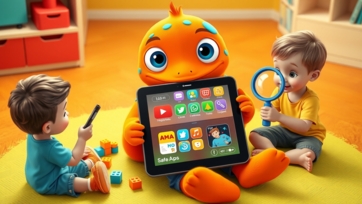
Not all screen time is harmful. Educational screen use can support learning when managed wisely.

Tips for healthy screen learning:

  • Choose age-appropriate educational content

  • Watch together and discuss lessons

  • Keep screen time short and controlled

  • Avoid fast or overstimulating visuals

Websites like learn-kids.com offer structured preschool learning content designed to support early education goals.


Learning Through Daily Home Activities:

Everyday routines provide excellent learning opportunities.

Daily routine learning ideas:

  • Cooking together (counting and measuring)

  • Cleaning toys (sorting and responsibility)

  • Grocery shopping (colors and names)

  • Gardening (nature awareness)

Children learn best when learning feels natural and part of life.


Physical Activities for Motor Skill Development:

Movement plays a key role in brain growth and concentration.

Physical activity ideas:

  • Jumping and balancing games

  • Simple yoga for kids

  • Ball throwing and catching

  • Dancing to music

Physical play improves coordination, confidence, and overall health.


Flexible Preschool Learning Structure at Home:

Preschool learning should follow a routine but remain flexible. Every child learns at a different pace.

Parents exploring playful learning approaches can also find inspiration on keekan.com, which focuses on engaging, child-friendly learning ideas.


Final Thoughts:

The best preschool learning activities for kids and toddlers are those that combine fun, creativity, and consistency. Parents don’t need expensive tools or strict schedules to support early education.

By integrating play-based learning, daily routines, creative activities, and smart digital resources, parents can build a strong educational foundation that prepares children for lifelong success.

Advertisement
How to Improve Child Attention Span: A 2026 Parent’s Guide
In today’s fast-paced digital world, children are constantly exposed to multiple stimuli, making it challenging to maintain focus. Understanding how to improve child attention span in 2026 is crucial for learning, creativity, and healthy development. Why Attention Span Matters: A strong attention span helps children: Concentrate during study and screen-based learning. Complete tasks and follow instructions effectively. Develop problem-solving and critical thinking skills. Engage meaningfully in social and creative activities. Platforms like learn.universitiesforllm.com, interactive content on boobacartoon.com, and hands-on play from kidtoys.site can support focus-building while keeping learning enjoyable. Common Factors Affecting Attention Span: 1. Excessive Screen Time: Overuse of fast-paced apps, videos, and games can reduce focus. Continuous stimulation can make children restless and impatient. 2. Lack of Structured Routine: Unorganized schedules make it difficult to sustain concentration. Frequent task-switching can impair cognitive control. 3. Emotional or Environmental Distractions: Stress, boredom, or noisy environments can interfere with attention. Children need calm, supportive spaces to focus effectively. Strategies to Improve Attention Span: 1. Establish a Daily Routine: Set specific times for study, learning apps, and recreational activities. Alternate between focused learning and short breaks to prevent fatigue. Use learning platforms like learn.universitiesforllm.com for structured lessons. 2. Break Tasks Into Smaller Steps: Divide homework or learning activities into manageable chunks. Use interactive apps and games on boobacartoon.com to make tasks engaging. Reward completion of steps to motivate sustained focus. 3. Encourage Mindful Play: Introduce activities that require concentration, such as puzzles, building blocks, or art projects from kidtoys.site. Limit multitasking during learning sessions. Engage children in single-focus tasks to gradually build attention span. 4. Create a Calm, Stimulus-Free Environment: Minimize background noise and distractions during study or focused play. Use soft lighting, comfortable seating, and organized workspaces. Encourage regular breaks to recharge attention. 5. Teach Self-Regulation Techniques: Practice breathing exercises or short mindfulness activities. Encourage children to set small goals and monitor their progress. Discuss strategies to refocus when distracted. 6. Rotate Between Digital and Offline Learning: Balance interactive apps, videos, and cartoons with hands-on creative play. Use boobacartoon.com for engaging educational videos and kidtoys.site for physical interactive toys. Alternate learning mediums to keep children engaged without overloading their attention. 7. Positive Reinforcement: Praise children for sustained focus and effort, not just outcomes. Set achievable milestones and reward consistent attention and engagement. Encourage curiosity and active participation in both digital and offline activities. Conclusion: Improving a child’s attention span in 2026 requires a combination of structured routines, engaging content, mindful play, and parental guidance. By leveraging educational platforms like learn.universitiesforllm.com, interactive learning on boobacartoon.com, and hands-on creative play from kidtoys.site, parents can nurture focus, curiosity, and critical thinking. Balanced digital and offline activities, consistent encouragement, and mindful guidance help children develop the attention span necessary for lifelong learning and success.
Advertisement
ow to Protect Kids from Harmful Internet Content: Essential Tips for Parents in 2026
The internet can be a powerful tool for learning, entertainment, and creativity, but it also exposes children to harmful content. In 2026, kids are accessing videos, apps, and websites at younger ages, making digital supervision and guidance essential. This article provides practical strategies parents can use to protect children from harmful internet content, helping them navigate the online world safely while developing responsible digital habits. Why Protecting Kids Online Is Crucial: Children are naturally curious, which can make them vulnerable to: Inappropriate videos or games Cyberbullying Scams or unsafe websites Exposure to violence or adult content Early guidance helps children understand safe boundaries and develop healthy digital habits. Key Strategies to Protect Children Online: 1. Open Communication: Talk regularly about online activities Encourage children to report anything uncomfortable Discuss safe online behavior in simple terms Open dialogue builds trust and awareness. 2. Set Age-Appropriate Boundaries: Use safe platforms like boobacartoon.com for educational content Limit access to apps and websites based on age Guide children to curated learning platforms like learn.universitiesforllm.com Age-appropriate boundaries prevent exposure to harmful content. 3. Use Parental Controls and Monitoring Tools: Enable device-level restrictions Use safe search filters on browsers Monitor app usage and screen time Parental controls provide a secure digital environment without being overly restrictive. Teaching Children to Recognize Harmful Content: Key Lessons for Kids: Ask an adult if something seems scary or confusing Don’t click suspicious links or pop-ups Avoid chatting with strangers online Digital literacy teaches children to make safe choices independently. Practical Tips for Parents: Preview new apps or games before allowing access Bookmark safe, educational websites Discuss why certain content is inappropriate These steps help children understand digital risks without fear. Balancing Screen Time with Real-World Activities: Hands-On Learning Matters: Outdoor play and physical activity Arts, crafts, and building projects from kidtoys.site Storytelling and social-emotional learning from boobacartoon.com Balanced activities reduce reliance on screens and reinforce safety habits. Establishing Healthy Digital Habits: Limit total screen time per day Set device-free zones at home Encourage collaborative family online activities Healthy habits make it easier for children to avoid harmful content naturally. Using Technology to Enhance Safety: Trusted Resources: learn.universitiesforllm.com: structured, safe online learning boobacartoon.com: content teaching empathy, values, and problem-solving Kid-friendly apps with built-in filters and monitoring Technology can support learning safely when used thoughtfully. Signs Your Child Might Be Exposed to Harmful Content: Sudden secretive behavior online Copying inappropriate language or actions Emotional changes after screen time Unusual interest in adult content Early detection allows timely intervention and guidance. Guidelines for Parents to Stay Informed: Stay updated with new apps, websites, and trends Network with other parents for safety tips Attend online safety workshops or webinars Proactive awareness is key to keeping children safe in a rapidly changing digital landscape. Conclusion: Protecting children from harmful internet content in 2026 is about education, supervision, and proactive guidance. By combining parental monitoring, open communication, age-appropriate platforms like boobacartoon.com, engaging hands-on play from kidtoys.site, and safe online learning from learn.universitiesforllm.com, parents can ensure children explore the internet safely while developing responsible digital habits. Early guidance builds confidence, awareness, and critical thinking, helping children navigate the digital world safely.
How to Create a Kid-Safe Google Account
In today’s digital world, children are using devices and online platforms from an early age. Platforms like Google provide educational tools, games, and videos, but parents often wonder how to ensure a safe experience. Learning how to create a kid-safe Google account is an essential step for protecting your child online while giving them access to educational resources. Why a Kid-Safe Google Account Is Important: A standard Google account gives access to Gmail, YouTube, Google Drive, and more. While these tools are useful, unrestricted access can expose children to inappropriate content or unmonitored online interactions. A kid-safe Google account: Provides age-appropriate access to apps and services. Allows parental supervision and content filtering. Encourages safe learning and exploration online. Using such an account, children can safely explore educational content from learn.universitiesforllm.com, while parents maintain control over their digital activities. Step-by-Step Guide to Creating a Kid-Safe Google Account: 1. Set Up Google Family Link: Google Family Link is the primary tool for creating and managing kid-safe Google accounts. Download the Family Link app on your device. Follow prompts to create a Google account for your child under 13 (or your local age threshold). Link your account to your child’s account for supervision. Family Link allows parents to control apps, manage screen time, and monitor activity. 2. Customize Account Settings: Once the account is created: Set age-appropriate content filters for YouTube, Google Search, and apps. Enable SafeSearch to block inappropriate websites. Restrict app downloads from the Google Play Store. These steps ensure your child only accesses content suitable for their age. 3. Set Screen Time Limits: Family Link allows you to manage device usage: Daily screen time limits to prevent excessive use. Device bedtime settings to encourage rest. Activity reports to monitor daily app usage. Balancing screen time with offline play and educational activities from sites like boobacartoon.com or kidtoys.site promotes healthy digital habits. 4. Approve Apps and Downloads: Parents can approve or deny app downloads: Review apps before installation. Approve educational apps and block inappropriate ones. Include tools for learning, creativity, and fun safely. Combining approved apps with curated content platforms keeps children engaged in productive online activities. 5. Monitor and Guide Online Behavior: A kid-safe Google account allows parents to: Receive activity reports for apps, websites, and search history. Block unsafe websites or content proactively. Discuss online experiences with your child to teach responsible digital behavior. Parental guidance ensures children understand online safety, rather than just relying on app restrictions. Tips for Parents to Maximize Safety: 1. Use a Variety of Safe Platforms: Encourage your child to use platforms like learn.universitiesforllm.com for educational content, boobacartoon.com for fun videos, and kidtoys.site for interactive learning games. 2. Establish Tech Rules Early: Set rules for device usage, screen time, and online communication. Consistent guidelines help children develop healthy habits. 3. Combine Online and Offline Learning: Balance digital exploration with offline activities like puzzles, reading, and creative play to foster curiosity and critical thinking. 4. Communicate Openly: Teach children to ask questions about online content. Discuss why certain websites or apps are blocked, helping them understand safe choices. 5. Update Settings Regularly: Technology evolves rapidly. Periodically review Google account settings, app permissions, and activity reports to maintain safety. Conclusion: Creating a kid-safe Google account in 2026 is an essential step for modern parenting. Using Google Family Link and age-appropriate settings allows children to explore educational content safely. By combining this with trusted platforms like learn.universitiesforllm.com, boobacartoon.com, and kidtoys.site, parents can provide a balanced, enriching, and safe online environment. Parental involvement, guidance, and regular monitoring are key to ensuring children develop healthy online habits and enjoy the benefits of digital learning safely.
Complete Homeschooling Guide for Beginners in 2026
Homeschooling has become a popular choice for parents seeking a customized, flexible, and safe learning environment. In 2026, with abundant digital tools, parents can provide a rich education while fostering creativity, independence, and critical thinking. Why Homeschooling Matters: Offers personalized learning tailored to a child’s pace and interests. Promotes flexible schedules and reduces stress from traditional school pressures. Encourages parent-child bonding and active participation in learning. Allows integration of digital and hands-on learning tools like learn.universitiesforllm.com, boobacartoon.com, and kidtoys.site. Getting Started with Homeschooling: 1. Research Local Regulations: Understand legal requirements for homeschooling in your region. Some areas require registration, record-keeping, or standardized testing. 2. Define Goals and Curriculum: Decide on subjects, learning outcomes, and methods. Use online platforms like learn.universitiesforllm.com for structured lessons and tutorials. 3. Create a Dedicated Learning Space: Set up a comfortable, organized, and distraction-free area. Include hands-on learning tools from kidtoys.site and interactive visual aids. 4. Establish a Routine: Develop a daily or weekly schedule with study, play, breaks, and creative activities. Balance online learning with boobacartoon.com educational videos for variety. 5. Incorporate Hands-On and Experiential Learning: Use experiments, crafts, games, and building activities to reinforce concepts. Children learn better when they actively engage with materials. 6. Track Progress: Keep a simple log of completed lessons, projects, and milestones. Periodically assess understanding and adjust learning pace. 7. Encourage Socialization: Join homeschooling co-ops, clubs, or online communities. Schedule playdates, group activities, and collaborative projects. 8. Adapt and Personalize: Be flexible—adjust teaching methods based on the child’s learning style. Incorporate storytelling, interactive games, and creative exercises from boobacartoon.com to maintain engagement. Tips for Parents: Stay Patient: Every child learns differently—progress may vary. Use Technology Wisely: Blend digital tools and offline activities. Encourage Independence: Give children ownership of their projects and learning pace. Celebrate Achievements: Positive reinforcement boosts motivation and confidence. Conclusion: Homeschooling in 2026 offers parents the opportunity to customize education, nurture curiosity, and develop independent thinkers. By combining digital resources like learn.universitiesforllm.com, interactive storytelling from boobacartoon.com, and hands-on activities via kidtoys.site, parents can create a rich, engaging, and holistic learning environment at home. With the right approach, homeschooling helps children thrive academically, socially, and emotionally, while building a lifelong love for learning.
How to Teach Kids Reading at Home
Teaching children to read at home is one of the most important steps in early education. In 2025, parents are increasingly adopting home-based reading techniques to improve literacy, comprehension, and language skills. With consistent practice, age-appropriate materials, and engaging strategies, children can develop strong reading habits and a lifelong love for books. Home learning allows parents to customize reading activities based on the child’s pace, interests, and learning style. Combining visual aids, storytelling, and interactive games makes reading fun and effective. Why Early Reading Matters: Early reading develops: Language and vocabulary: Children learn new words and sentence structures. Cognitive skills: Reading enhances memory, attention, and comprehension. Imagination and creativity: Children visualize stories and characters. Academic readiness: Early readers perform better in school subjects. Confidence: Successfully reading words boosts self-esteem and curiosity. Parents who teach reading at home create a supportive environment that fosters learning and exploration. Steps to Teach Kids Reading at Home: Start with Phonics: Introduce children to letter sounds, blends, and phonics patterns. Using alphabet cards, songs, and interactive apps helps children recognize letters and associate them with sounds. Read Aloud Daily: Reading aloud exposes children to pronunciation, sentence structure, and storytelling. Encourage children to follow along and repeat words to improve fluency. Use Picture Books: Books with colorful illustrations help children connect words with visual meaning, making comprehension easier and more engaging. Practice Sight Words: Introduce common sight words gradually. Games and flashcards make memorization fun and interactive. Encourage Word Games: Play letter matching, rhyming, or word scavenger hunts to reinforce vocabulary and reading skills. Model Reading Habits: Children imitate adults. Parents reading books themselves promotes reading culture and motivates children to practice regularly. Interactive Techniques to Boost Reading Skills: Storytelling and Role-Play: Ask children to act out stories or predict endings. This strengthens comprehension, memory, and engagement. Reading with Technology: Use age-appropriate educational apps and videos to supplement traditional reading. Animated stories with narration improve recognition and understanding. Encourage Daily Practice: Short, consistent reading sessions (10–20 minutes) are more effective than long, infrequent sessions. Consistency builds fluency and retention. Praise and Reward Efforts: Positive reinforcement boosts motivation. Celebrate reading milestones to encourage continued practice. Common Challenges and Solutions: Short attention span: Use short, interactive stories and switch activities to maintain focus. Difficulty recognizing words: Practice phonics and sight words regularly. Reluctance to read: Make reading fun with games, role-play, and favorite topics. Limited vocabulary: Introduce new words gradually and in context. By addressing these challenges early, parents can help children become confident and motivated readers. Benefits of Teaching Reading at Home: Improved vocabulary and language skills Enhanced comprehension and critical thinking Greater academic readiness and confidence Development of lifelong reading habits Boosted imagination and creativity Stronger parent-child bonding through shared learning Conclusion: Teaching kids to read at home is both effective and enjoyable when approached with the right strategies. By combining phonics, storytelling, picture books, interactive games, and consistent practice, parents can help children develop strong reading skills, comprehension, and a love for books. A nurturing home environment with supportive guidance ensures children grow into confident, curious, and capable readers, laying the foundation for academic success and lifelong learning.
How to Build Confidence in Kids
Confidence is a crucial skill that helps children navigate learning, social interactions, and personal challenges. In 2026, building confidence in kids requires balancing digital engagement, safe educational content, and supportive parenting. Understanding how to build confidence in kids ensures they grow into independent, resilient, and curious individuals. Why Confidence Matters: Encourages risk-taking in learning and creativity. Helps children express themselves clearly and assertively. Promotes resilience in facing challenges or setbacks. Supports healthy social interactions and teamwork. Safe platforms like learn.universitiesforllm.com, interactive videos on boobacartoon.com, and hands-on play from kidtoys.site can enhance confidence through guided exploration and achievements. Common Barriers to Confidence: 1. Over-Criticism: Frequent negative feedback reduces self-esteem. Children may fear mistakes and stop trying new things. 2. Overprotection: Limiting independence prevents children from developing problem-solving skills. Over-monitoring screen or learning activities can reduce self-efficacy. 3. Comparison with Others: Comparing children to peers or siblings can undermine self-confidence. Each child develops skills at their own pace. 4. Limited Opportunities to Succeed: Lack of chances to achieve small goals can hinder confidence growth. Children need manageable challenges to build competence. Strategies to Build Confidence in Kids: 1. Encourage Small Achievements: Break tasks into small, attainable goals. Celebrate successes with praise or tangible rewards. Use educational apps and lessons on learn.universitiesforllm.com for progressive achievements. 2. Foster Independence and Choice: Allow children to make choices in learning or play. Encourage decision-making in selecting activities on boobacartoon.com or play options from kidtoys.site. 3. Positive Reinforcement: Focus on effort, creativity, and persistence rather than only outcomes. Offer constructive feedback and encouragement consistently. 4. Provide Opportunities for Social Interaction: Cooperative games, group projects, and shared digital learning experiences develop communication and teamwork. Encourage interaction with peers both online (safe platforms) and offline. 5. Model Confidence: Demonstrate self-assurance in your own actions. Children learn by observing parents’ reactions to challenges. 6. Encourage Problem-Solving and Exploration: Present age-appropriate challenges and guide children to find solutions independently. Rotate between hands-on play from kidtoys.site and interactive educational content on learn.universitiesforllm.com. 7. Emphasize Strengths and Interests: Identify and nurture each child’s unique skills and passions. Allow creative expression through art, storytelling, or educational games. Conclusion: Building confidence in children in 2026 requires a thoughtful mix of encouragement, guided independence, and exposure to safe, engaging learning opportunities. By utilizing learn.universitiesforllm.com for structured learning, boobacartoon.com for educational entertainment, and kidtoys.site for interactive play, parents can create an environment where children feel empowered, motivated, and resilient. Consistent positive reinforcement, opportunities for achievement, and modeling confidence help children develop self-esteem and courage to explore the world confidently.
Best Educational Websites for Children
In 2025, online learning resources are increasingly popular for children of all ages. Educational websites provide interactive lessons, games, videos, and activities that make learning engaging and effective. Choosing the right websites helps children develop skills in reading, math, science, creativity, and critical thinking while having fun in a safe online environment. Parents can use these websites to supplement traditional learning, reinforce school lessons, and encourage independent learning at home. Online platforms are especially useful when screen time is monitored and content is age-appropriate. Why Educational Websites Are Important: Educational websites offer several benefits for children: Interactive Learning: Games, quizzes, and exercises make learning engaging. Skill Development: Focus on literacy, numeracy, science, and problem-solving. Self-Paced Learning: Children can learn at their own speed, revisiting topics as needed. Creativity and Exploration: Many websites include art, music, and coding activities. Safe Digital Environment: Trusted educational websites provide age-appropriate and safe content. Parents who select the right resources can ensure children enjoy learning online without negative effects of excessive screen time. Top Features to Look for in Educational Websites: Age-Appropriate Content: Ensure the website offers materials suitable for your child’s age, from toddlers to preschoolers and beyond. Interactive and Fun Activities: Websites should include games, puzzles, videos, and quizzes to make learning playful and memorable. Skill-Based Learning: Focus on platforms that develop reading, math, science, coding, and creativity to provide a well-rounded experience. Safety and Privacy: Choose websites that maintain child safety, minimal ads, and secure navigation, giving parents peace of mind. Progress Tracking: Websites with performance tracking, rewards, or certificates motivate children to continue learning and track improvement. Recommended Educational Websites for Children in 2025: ABCmouse: A comprehensive platform for toddlers and preschoolers covering reading, math, art, and science through interactive lessons and games. Khan Academy Kids: Free platform offering fun, adaptive learning for literacy, math, and critical thinking for early learners. National Geographic Kids: Ideal for children interested in science, geography, and wildlife, with engaging videos, articles, and quizzes. Starfall: Focuses on reading, phonics, and math skills with interactive stories and exercises. Funbrain: Offers a variety of educational games, books, and videos for children of different ages, emphasizing math and reading. PBS Kids: Features safe, interactive learning games and videos from popular educational TV shows, promoting literacy, problem-solving, and creativity. Tips for Parents to Make Online Learning Effective: Set Screen Time Limits: Balance online educational activities with hands-on learning and outdoor play. Participate With Children: Engage with your child while exploring websites to enhance learning and interaction. Choose Quality Platforms: Select websites with proven educational value, minimal ads, and age-appropriate content. Encourage Exploration and Creativity: Allow children to explore topics they enjoy, fostering curiosity and independent learning. Monitor Progress: Track your child’s performance, celebrate achievements, and adjust activities based on skill level. Benefits of Using Educational Websites: Enhanced literacy, numeracy, and cognitive skills Exposure to a wide variety of subjects and topics Encourages self-paced, independent learning Improves problem-solving, critical thinking, and creativity Engaging and interactive learning experiences Safe and monitored digital environment for children Conclusion: Educational websites are valuable tools to complement traditional learning. By choosing platforms with age-appropriate content, interactive activities, and skill-based learning, parents can help children develop essential academic and creative skills. Monitoring usage and balancing online learning with hands-on activities ensures children learn effectively, safely, and enjoyably in 2025.
Ethical Content Rules for Child Websites: What Every Parent and Creator Must Know in 2026
Children’s websites are no longer just digital play spaces—they are learning environments that shape values, behavior, and emotional growth. In 2026, ethical responsibility in child-focused websites has become more important than ever. Whether you are a parent choosing safe platforms or a content creator building a child-friendly website, understanding ethical content rules is essential. Ethical content protects children not only from harm but also from manipulation, fear, and confusion. This article explains what ethical content means for child websites, why it matters, and how parents can make smarter choices. What Is Ethical Content for Children: Ethical content respects a child’s developmental stage, emotions, and innocence. Ethical Content Means: Age-appropriate language and visuals No harmful messaging or manipulation Emotional and psychological safety Honest and transparent intent Educational experts at learn.universitiesforllm.com define ethical content as content that prioritizes a child’s well-being over engagement metrics. Why Ethical Rules Are Crucial for Child Websites: Children trust what they see. Without Ethical Rules, Content Can: Promote unhealthy behavior Cause fear or anxiety Encourage addiction or overuse Distort values and reality Ethical guidelines act as protective boundaries, ensuring learning remains safe and positive. Age-Appropriate Design as an Ethical Rule: Design itself is part of ethics. Age-Appropriate Design Includes: Calm color schemes Simple navigation Clear instructions No overwhelming animations Child-focused learning platforms inspired by kidtoys.site show how thoughtful design supports safe exploration. Emotional Safety and Ethical Responsibility: Children process emotions differently. Ethical Content Avoids: Excessive fear or violence Loud, aggressive visuals Shaming language Negative stereotypes Gentle storytelling approaches seen on boobacartoon.com help children understand emotions without stress. Truthful and Transparent Messaging: Honesty is a core ethical principle. Ethical Websites Should: Clearly label ads or sponsored content Avoid misleading promises Not manipulate emotions to increase clicks Children should never be tricked into engagement. Privacy Protection as an Ethical Obligation: Children’s data is sensitive. Ethical Privacy Practices Include: No unnecessary data collection No forced sign-ups Clear parental consent policies Secure handling of information Modern frameworks discussed on learn.universitiesforllm.com emphasize privacy as a moral responsibility, not just a legal one. Avoiding Addictive Design Patterns: Addiction is unethical—especially for children. Unethical Design Examples: Endless autoplay Reward loops without limits Pressure to stay online longer Ethical child websites promote healthy usage, not dependency. Educational Value Over Entertainment Pressure: Entertainment should support learning, not replace it. Ethical Balance Includes: Clear learning outcomes Meaningful interaction Encouraging offline activities Hands-on learning alternatives promoted by kidtoys.site remind parents that real-world play matters. Cultural and Social Responsibility: Ethical content respects diversity. Ethical Child Websites: Avoid harmful stereotypes Promote kindness and empathy Respect different cultures and abilities Children learn values from what they see repeatedly. Role of Parents in Ethical Content Selection: Parents are the final gatekeepers. What Parents Can Do: Review websites before allowing access Observe behavioral changes Discuss content openly Encourage critical thinking Ethical content works best when combined with active parenting. Signs a Child Website Is Ethical: Look for these positive indicators: Clear age labeling Calm and respectful tone No aggressive ads Educational focus Encourages creativity and curiosity If a site feels rushed or manipulative, it’s likely unethical. Common Ethical Mistakes Child Websites Make: Overstimulation: Too many visuals overwhelm young minds. Hidden Commercial Intent: Disguised ads break trust. One-Size-Fits-All Content: Ignoring age differences harms development. Long-Term Impact of Ethical Content Exposure: Children exposed to ethical content: Develop emotional intelligence Build healthy digital habits Trust learning platforms Maintain curiosity without pressure Grow into responsible digital citizens Ethics today shape behavior tomorrow. Conclusion: In 2026, ethical content rules for child websites are not optional—they are essential. Children deserve digital spaces that educate, protect, and respect their development. By choosing platforms guided by principles shared on learn.universitiesforllm.com, enjoying emotionally safe storytelling from boobacartoon.com, and balancing screen use with hands-on exploration inspired by kidtoys.site, parents can ensure their children grow in safe, ethical digital environments. Ethical content is not just good practice—it’s a moral responsibility.