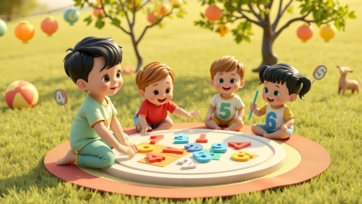
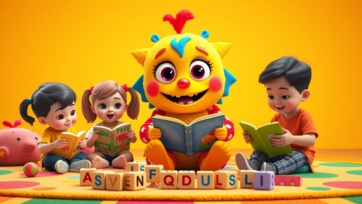
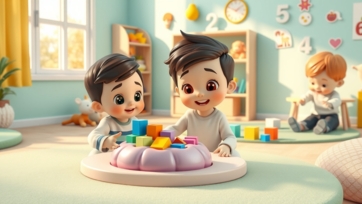
Early childhood is the most important phase of learning in a child’s life. Between the ages of 2 to 7, children develop cognitive skills, emotional intelligence, language abilities, and problem-solving power at a rapid pace. Parents often believe that quality education requires expensive schools or tutors, but research shows that early childhood education activities at home can be just as effective.
This guide covers high-value, fun, and practical learning activities that support early childhood development while keeping kids engaged and happy at home.
Why Early Childhood Education at Home Matters
Early education builds the foundation for lifelong success. Children exposed to structured learning activities at home often perform better academically and socially.
Key benefits include:
-
Better memory and focus
-
Faster language development
-
Strong emotional intelligence
-
Improved creativity and confidence
-
Higher future academic success
Parents who actively participate in learning also strengthen emotional bonding with their children.
Learning Through Play (The Most Effective Method)
Play-based learning is scientifically proven to be one of the most powerful early childhood education strategies.
Examples of educational play
-
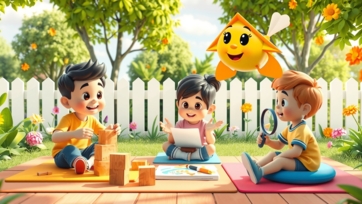
Building blocks for spatial skills
-
Pretend play (doctor, kitchen, shop)
-
Puzzles for problem-solving
-
Sorting toys by color and size
Parents can find ideas and inspiration for development-focused toys on platforms like kidtoys.site, which focuses on learning-friendly toy concepts.
Language and Early Literacy Activities
Language development is a core part of early childhood education. Children learn best when language is introduced naturally.
Simple literacy activities
-
Reading picture books daily
-
Naming objects around the house
-
Storytelling with toys
-
Singing rhymes and action songs
Animated educational content can further strengthen listening and speaking skills. Carefully designed platforms such as boobacartoon.com use storytelling to help kids learn naturally.
Early Math Activities for Young Children
Early math education does not mean memorizing formulas. It focuses on understanding numbers and patterns.
Easy math learning ideas
-
Counting toys or fruits
-
Measuring while cooking
-
Sorting objects by size
-
Playing with number cards
These activities build early numeracy and prepare children for future STEM learning.
Creative Art and Craft Activities
Creativity is essential for emotional expression and brain development.
Art and craft ideas
-
Drawing and coloring
-
Paper cutting and pasting
-
Clay or dough modeling
-
Painting with household items
Art activities help children build confidence and improve fine motor skills.
Educational Screen Time (Used the Right Way)
Not all screen time is bad. When used properly, digital learning can support early education.
Tips for healthy screen use
-
Choose age-appropriate content
-
Watch together and discuss lessons
-
Keep sessions short
-
Avoid fast and noisy animations
Websites like learn-kids.com offer structured educational content that supports early learning goals.
Sensory Activities for Brain Development
Sensory play helps children understand the world through touch, sound, smell, and sight.
Sensory play ideas
-
Playing with sand or water
-
Texture boxes with rice or beans
-
Sound games using kitchen items
-
Identifying smells and tastes
Sensory activities strengthen brain connections and emotional regulation.
Social and Emotional Learning at Home
Education is not only about reading and numbers. Emotional intelligence is equally important.
Emotional learning activities
-
Role-playing emotions
-
Talking openly about feelings
-
Teaching sharing and patience
-
Reading moral stories
These activities help children build empathy and positive behavior early.
Learning Through Daily Routines
Everyday tasks are powerful learning opportunities.
Daily routine learning ideas
-
Cooking together (counting, measuring)
-
Cleaning toys (responsibility)
-
Grocery shopping (naming items)
-
Gardening (nature awareness)
Children learn best when education feels natural, not forced.
Physical Activities and Motor Skill Development
Physical movement supports brain growth and concentration.
Physical activity ideas
-
Jumping and balancing games
-
Simple yoga for kids
-
Ball games
-
Dance and movement activities
Active children are healthier, happier, and more focused learners.
Structured Learning with Flexibility
While routines help, flexibility keeps children interested. Each child learns at a different pace.
Parents exploring playful and adaptive learning approaches can also find helpful inspiration on keekan.com, which focuses on engaging learning concepts for children.
Final Thoughts
Early childhood education activities at home do not require expensive tools or strict schedules. With creativity, consistency, and the right resources, parents can create a rich learning environment.
By combining play-based learning, daily routines, and smart digital tools, parents help children develop confidence, curiosity, and a love for learning that lasts a lifetime.