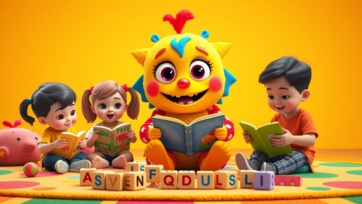
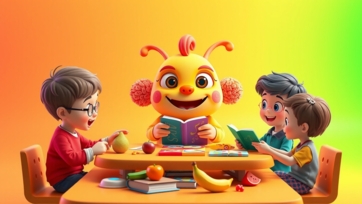
Learning the alphabet is one of the most important milestones in early childhood education. Learning the alphabet with fun (A to Z) for preschool kids makes the process engaging, interactive, and memorable. When children enjoy learning letters through playful activities, it builds a strong foundation for reading, writing, and communication skills.
This guide provides creative, fun, and educational alphabet activities suitable for home or preschool settings.
Why Learning the Alphabet is Important:
Understanding letters is crucial for early literacy. Benefits of fun alphabet learning include:
-
Early reading and writing readiness
-
Improved vocabulary and pronunciation
-
Strong cognitive and memory skills
-
Recognition of shapes and symbols
-
Boosted confidence and curiosity in learning
A fun approach to letters encourages children to explore language without feeling pressured.
Alphabet Learning Tips:
Make Learning Visual:
-
Use colorful flashcards with letters and pictures
-
Display the alphabet chart at child’s eye level
-
Incorporate animated videos and apps for interactive learning
Platforms like boobacartoon.com offer fun animated alphabet videos that make learning engaging and memorable.
Make Learning Tactile:
-
Use sandpaper letters to trace with fingers
-
Create letters with clay, playdough, or pipe cleaners
-
Draw letters in sand, rice, or shaving foam
-
Encourage letter formation on paper with crayons or markers
Hands-on activities reinforce letter recognition and improve fine motor skills.
Fun Alphabet Games:
Games make alphabet learning playful and effective.
Ideas:
-
Alphabet Treasure Hunt: Hide letter cards and ask kids to find them
-
Letter Matching: Match uppercase and lowercase letters
-
Alphabet Bingo: Use letter cards to play a fun version of bingo
-
Sing the Alphabet Song: Incorporate actions or movements for each letter
Interactive games increase attention span, memory, and active participation.
Learning Letters with Everyday Objects:
Integrate letters into daily life to reinforce recognition and understanding.
Examples:
-
Identify objects that start with each letter (A for apple, B for ball)
-
Sort toys, books, or fruits by their starting letter
-
Use labels around the house for letters and objects
-
Encourage children to name letters on signs, menus, or packaging
Connecting letters to real-life objects improves comprehension and retention.
Alphabet Crafts and Creative Activities:
Arts and crafts make learning letters fun and hands-on.
Activities:
-
Letter stamping with paint
-
Creating letter collages using magazine cutouts
-
Forming letters with sticks, leaves, or pasta
-
Decorating each letter with stickers or colors
Creative activities enhance motor skills, imagination, and memory of letters.
Digital and Interactive Alphabet Learning:
Using digital tools wisely can enhance alphabet learning.
-
learn-kids.com – Interactive alphabet games and exercises
-
keekan.com – Fun alphabet learning activities for preschoolers
-
kidtoys.site – Play-based learning tools for letters and sounds
Digital platforms complement hands-on activities while keeping children engaged.
Tips for Parents and Teachers:
-
Encourage daily practice with short sessions (5–10 minutes)
-
Repeat letters and sounds often in conversation
-
Praise effort and celebrate progress
-
Mix structured learning with playful exploration
-
Observe child’s interests and adapt learning style accordingly
A supportive environment fosters confidence, curiosity, and a love for language.
Final Thoughts:
Learning the alphabet with fun (A to Z) for preschool kids is an essential step in early childhood education. By integrating visual, tactile, game-based, creative, and everyday learning activities, parents and teachers can make alphabet learning enjoyable, engaging, and effective.
The ultimate goal is to build early literacy, memory, and curiosity while making learning playful and developmentally appropriate.