Storytelling is one of the most effective tools to boost a child’s imagination and cognitive development. In 2025, parents and educators recognize that regular storytelling helps children think creatively, visualize new ideas, and develop problem-solving skills. Beyond just listening, children actively engage with stories, which strengthens their imagination, language, and emotional understanding.
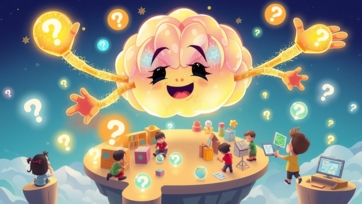
Through storytelling, children learn to picture characters, settings, and events in their minds. This mental visualization enhances creativity, improves attention span, and fosters innovative thinking.
Why Storytelling Matters for Children:
Storytelling is essential for early childhood development for several reasons:
-
Stimulates imagination: Children imagine scenarios, characters, and solutions.
-
Enhances language skills: Exposure to new words, sentence structures, and dialogues.
-
Develops empathy: Understanding characters’ emotions and perspectives.
-
Encourages problem-solving: Children think of alternative endings or solutions.
-
Improves focus and attention: Listening to stories requires concentration.
Parents searching for ways to boost imagination in children find storytelling to be a natural and effective method.
Types of Storytelling That Boost Imagination:
Oral Storytelling:
Telling stories aloud encourages children to visualize every detail. Parents can use expressive voices, gestures, and facial expressions to make stories more engaging. This method improves listening skills, comprehension, and imagination.
Picture Books and Illustrated Stories:
Books with colorful illustrations and interactive elements allow children to connect images with words, helping them create mental images and expand their imaginative thinking.
Digital Storytelling:
Age-appropriate educational apps and videos that narrate stories can enhance imagination if they include interactive elements like choosing paths or imagining alternate endings.
Role-Play Storytelling:
Encouraging children to act out stories boosts creativity and self-expression. Role-playing helps them internalize narrative elements while exploring new ideas.
How Storytelling Enhances Imagination:
Visualization Skills:
Listening to or reading stories enables children to picture characters, settings, and events in their minds. This strengthens their ability to imagine beyond what they see in real life.
Creative Thinking:
Storytelling encourages children to create alternate endings, invent characters, or expand plots, fostering creativity and innovation.
Language and Vocabulary Development:
Exposure to new words and phrases in context improves language comprehension and enables children to express imaginative ideas more effectively.
Emotional Intelligence:
Stories often include conflict, emotions, and relationships. Understanding characters’ feelings improves empathy and emotional awareness, which feeds imaginative thinking.
Critical Thinking and Problem Solving:
When children consider story outcomes or make decisions for characters, they practice problem-solving and logical thinking, enhancing their cognitive flexibility.
Tips for Parents to Boost Imagination Through Storytelling:
Make Stories Interactive:
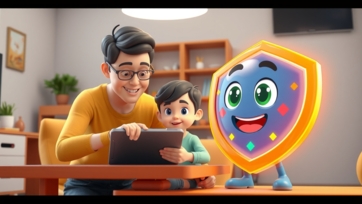
Ask children questions about the story, encourage them to predict what happens next, or let them invent alternate endings.
Use Props and Visuals:
Use toys, puppets, or illustrations to make stories more vivid and memorable. Props help children visualize and engage deeply.
Encourage Daily Storytime:
A consistent storytelling routine develops listening habits, focus, and imagination over time. Even 10–15 minutes daily is highly beneficial.
Mix Real and Fantasy Elements:
Stories that combine real-life scenarios with imaginative elements encourage children to think creatively and explore possibilities.
Involve Children in Story Creation:
Let children create their own stories, draw storyboards, or narrate adventures. Active involvement strengthens imagination and confidence.
Benefits of Storytelling for Imagination and Development:
-
Improved creativity and innovative thinking
-
Expanded vocabulary and language skills
-
Enhanced concentration and memory
-
Better emotional understanding and empathy
-
Stronger problem-solving and cognitive skills
-
Increased confidence and self-expression
Conclusion:
Storytelling is a powerful tool to enhance a child’s imagination naturally. By incorporating interactive oral storytelling, picture books, role-play, and creative exercises, parents can help children visualize, invent, and explore new ideas.
When storytelling is part of daily learning, children develop creativity, language, emotional intelligence, and cognitive skills, laying a strong foundation for academic success and lifelong imaginative thinking.