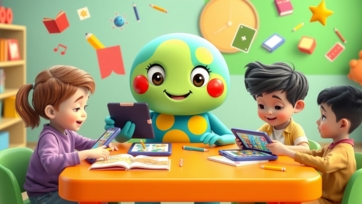
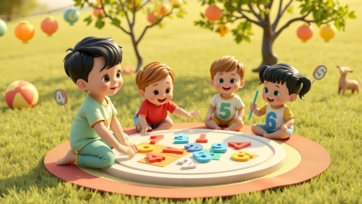
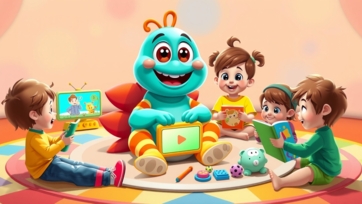
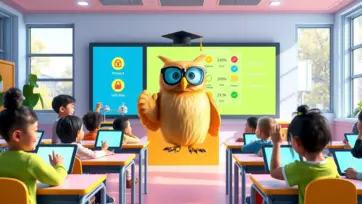
In today’s fast-changing world, memorizing facts is no longer enough. Children need to learn how to think, not just what to think. Critical thinking helps kids analyze information, solve problems, ask meaningful questions, and make better decisions. In 2026, teaching critical thinking at home has become one of the most important responsibilities for parents.
This guide explains simple, practical, and stress-free ways parents can develop critical thinking skills in children through daily activities, play, and conversation.
Why Critical Thinking Is Essential for Children:
Critical thinking builds the foundation for lifelong learning and independence.
Key Benefits of Critical Thinking:
-
Improves problem-solving skills
-
Encourages curiosity and questioning
-
Helps children evaluate right vs wrong
-
Builds confidence in decision-making
-
Reduces blind dependency on screens
Platforms like learn.universitiesforllm.com provide structured thinking-based learning, while creative content from boobacartoon.com and hands-on activities inspired by kidtoys.site support real-world reasoning skills.
What Critical Thinking Looks Like in Kids:
Critical thinking does not mean arguing—it means thinking deeply.
Signs of a Critical Thinker:
-
Asking “why” and “how” questions
-
Trying different solutions to one problem
-
Explaining their thinking process
-
Learning from mistakes instead of giving up
Parents can nurture these habits gradually through everyday interactions.
Simple Ways to Teach Critical Thinking at Home:
1. Ask Open-Ended Questions:
Instead of questions with one right answer, ask:
-
“What do you think will happen next?”
-
“Why do you think this worked?”
-
“How could we do this differently?”
These conversations help children analyze situations and express ideas clearly.
2. Encourage Problem-Solving Through Play:
Play is one of the strongest tools for thinking development.
-
Building puzzles and logic games
-
Open-ended toys that allow experimentation
-
Creative construction activities inspired by kidtoys.site
Such activities allow children to test ideas and learn from outcomes.
3. Use Stories and Cartoons Thoughtfully:
Stories are powerful thinking tools when used correctly.
-
Pause educational cartoons on boobacartoon.com and ask children what they think will happen next
-
Discuss character choices and consequences
-
Encourage kids to suggest alternative endings
This builds reasoning and moral judgment skills.
4. Promote Independent Learning Moments:
Children learn critical thinking best when they explore independently.
-
Use guided lessons from learn.universitiesforllm.com
-
Allow kids to solve problems without immediate correction
-
Praise effort and thinking, not just correct answers
Daily Activities That Build Critical Thinking:
At Home:
-
Cooking together and measuring ingredients
-
Sorting laundry by size or color
-
Planning daily schedules together
Outdoors:
-
Observing nature and asking why things happen
-
Comparing plants, insects, or weather changes
-
Encouraging predictions and observations
Creative Tasks:
-
Drawing solutions to problems
-
Story creation and role-play
-
Building something from recycled materials
Common Mistakes Parents Should Avoid:
Giving Answers Too Quickly:
Let children struggle a little—it strengthens thinking.
Overcorrecting:
Mistakes are learning opportunities, not failures.
Comparing Children:
Every child develops thinking skills at their own pace.
How to Create a Critical Thinking Environment:
Safe Space for Ideas:
-
Let kids express opinions without fear
-
Respect their reasoning, even if incorrect
Encourage Curiosity:
-
Celebrate questions
-
Explore answers together
Limit Passive Screen Time:
-
Replace mindless content with interactive learning
-
Use screen time as a discussion starter
Long-Term Impact of Teaching Critical Thinking:
Children who develop critical thinking skills:
-
Become confident learners
-
Adapt easily to new situations
-
Make better academic and life decisions
-
Resist unhealthy digital influence
By using thoughtful guidance, storytelling platforms like boobacartoon.com, learning structures from learn.universitiesforllm.com, and creative play supported by kidtoys.site, parents can raise independent thinkers prepared for the future.
Conclusion:
Teaching critical thinking in 2026 is not about pressure or complex methods. It’s about conversation, curiosity, and trust. When parents encourage children to question, explore, and reflect, learning becomes meaningful and empowering.
Critical thinking is a skill that grows with time—and every thoughtful question you ask today shapes a wiser decision-maker tomorrow.