Teaching preschool kids numbers is a crucial step in early childhood education. In 2025, parents are looking for fun, interactive, and hands-on methods to help children understand numbers, counting, and basic math concepts. With the right techniques, preschoolers can learn numbers naturally while playing, enhancing memory, problem-solving, and logical thinking.
Number learning at home allows parents to customize lessons based on the child’s pace and interests. Combining games, songs, and activities ensures that learning is engaging, effective, and enjoyable.
Why Learning Numbers Is Important:
Understanding numbers early provides preschoolers with key benefits:
-
Cognitive Development: Recognizing numbers and counting strengthens memory, attention, and analytical skills.
-
Early Math Skills: Learning numbers lays the foundation for addition, subtraction, and problem-solving.
-
Language and Vocabulary: Counting activities introduce number words and concepts.
-
Confidence: Successfully learning numbers boosts self-esteem and motivates further learning.
-
Academic Readiness: Familiarity with numbers prepares children for kindergarten and school success.
Parents who use playful, interactive methods find that children grasp numbers faster and enjoy learning.
Top Methods to Teach Numbers:
Counting Games:
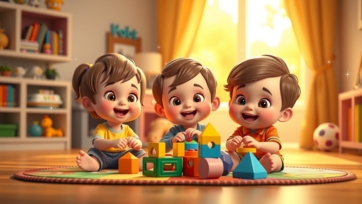
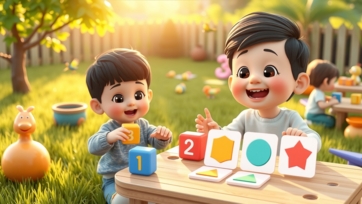
Use objects like blocks, toys, and fruits to help preschoolers practice counting. Games like “count the blocks” or “find 5 apples” make learning practical and enjoyable.
Number Songs and Rhymes:
Singing number songs helps children memorize numbers in order and understand quantity. Fun rhymes make learning engaging and improve auditory skills.
Flashcards and Visual Aids:
Colorful number cards, charts, and illustrated books connect numbers with objects. Visual aids reinforce recognition and comprehension.
Hands-On Activities:
Activities like clay number shaping, tracing, or arranging beads develop fine motor skills while reinforcing numerical concepts.
Interactive Games and Puzzles:
Games like number matching, board games, and puzzles encourage problem-solving and logical thinking while making learning active and fun.
Tips for Parents to Teach Numbers Effectively:
Start With Small Numbers:
Introduce numbers 1–10 first, then gradually move to higher numbers. Use familiar objects to make counting meaningful.
Use Multi-Sensory Techniques:
Combine visual, auditory, and tactile learning to help children understand numbers thoroughly.
Keep Learning Sessions Short:
Preschoolers have short attention spans. 10–15 minutes daily of interactive practice is more effective than long sessions.
Reinforce Numbers in Daily Life:
Incorporate counting into daily routines, like counting stairs, toys, or snacks, to make learning practical.
Celebrate Progress:
Praise milestones and effort to motivate children and build confidence in learning numbers.
Benefits of Learning Numbers for Preschoolers:
-
Improved number recognition and counting skills
-
Stronger cognitive, memory, and problem-solving abilities
-
Enhanced early math readiness and logical thinking
-
Better language and numerical vocabulary
-
Increased confidence and motivation for learning
-
Hands-on development of fine and gross motor skills
Conclusion:
Teaching preschool kids numbers is fun, interactive, and essential for early math readiness. By using counting games, number songs, flashcards, hands-on activities, and interactive puzzles, parents can help children learn numbers, improve memory, and develop problem-solving skills naturally.
A playful, multi-sensory approach ensures preschoolers enjoy learning while building a strong foundation for future math and academic success.