Learn Numbers 1 to 100 for Kids with Fun

Learning numbers from 1 to 100 is an important milestone for kids. When children understand number order, counting patterns, and number recognition early, they build a strong base for math confidence. Teaching numbers does not need to be boring or stressful. With playful methods and daily activities, kids can learn numbers 1 to 100 easily and happily at home.

This guide shares fun, effective, and parent-approved ways to help kids learn numbers 1 to 100 through games, routines, songs, and hands-on activities.


Why Learning Numbers 1 to 100 Is Important:

Understanding numbers beyond 10 helps children develop advanced thinking skills.

Key benefits include:

  • Strong number sense

  • Better counting accuracy

  • Preparation for addition and subtraction

  • Improved memory and focus

  • Confidence in early math learning

Kids who know numbers up to 100 feel more comfortable with school math.


Best Age to Teach Numbers 1 to 100:

Children learn numbers gradually.

Age-based stages:

  • Ages 2–3: Counting 1–10

  • Ages 3–4: Counting 1–20

  • Ages 4–5: Counting 1–50

  • Ages 5–6: Counting 1–100

Every child learns at a different pace, so patience is important.


Preparing Kids to Learn Numbers up to 100:

A supportive environment makes learning easier.

Simple preparation tips:

  • Start with small number groups

  • Use colorful number charts

  • Keep sessions short

  • Encourage curiosity, not perfection

Parents do not need teaching experience to help kids learn numbers.


Learning Numbers 1 to 20 First:

Before moving to 100, kids must master basic counting.

Effective methods:

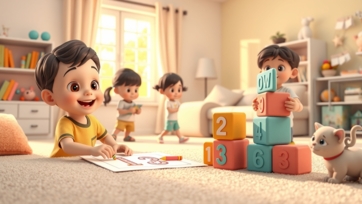
  • Counting toys and blocks

  • Counting fingers and steps

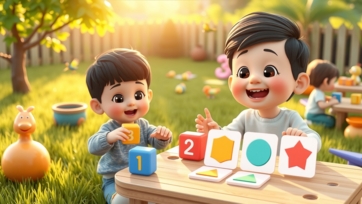
  • Using number flashcards

  • Singing counting songs

Strong basics make advanced counting easier.


Counting Numbers 1 to 50 Through Play:

Once kids know numbers 1–20, expand gradually.

Fun activities:

  • Counting toys in groups

  • Jump-and-count games

  • Sorting objects into numbered boxes

  • Matching numbers with objects

Interactive number activities on learn-kids.com help children practice counting naturally.


Learning Numbers 1 to 100 Using Daily Routines:

Daily routines are perfect for number learning.

Real-life examples:

  • Counting stairs while climbing

  • Counting fruits during meals

  • Counting toys during cleanup

  • Counting cars or birds outside

Routine-based learning feels effortless and stress-free.


Number Recognition Activities for 1 to 100:

Recognizing numbers visually is essential.

Effective activities:

  • Pointing at numbers on charts

  • Spotting numbers in books

  • Matching number cards

  • Writing numbers in air or sand

Visual repetition helps kids remember number shapes.


Learning Numbers Through Songs and Rhymes:

Songs make learning enjoyable and memorable.

Benefits:

  • Improves number sequence memory

  • Encourages repetition

  • Makes learning fun

  • Builds listening skills

Animated counting songs and rhymes available on boobacartoon.com are especially effective for learning numbers up to 100.


Fun Number Games for Kids:

Games turn practice into play.

Popular games:

  • Dice counting games

  • Number hopscotch

  • Board games with counting

  • Hide-and-seek numbers

Educational number games on keekan.com help kids practice counting while staying engaged.


Using Toys to Learn Numbers 1 to 100:

Hands-on learning makes numbers meaningful.

Helpful toys:

  • Counting blocks

  • Number puzzles

  • Stacking cups with numbers

  • Abacus toys

Physical interaction strengthens number understanding.


Learning Number Patterns up to 100:

Patterns help kids understand number order.

Simple pattern activities:

  • Counting by tens

  • Grouping numbers in rows

  • Highlighting odd and even numbers

  • Filling missing numbers

Patterns improve logical thinking and math readiness.


Introducing Skip Counting for Kids:

Skip counting is an advanced skill.

Easy ways to teach:

  • Counting by 2s using pairs

  • Counting by 5s using fingers

  • Counting by 10s with bundles

Skip counting prepares kids for multiplication later.


Avoiding Common Mistakes When Teaching Numbers:

Some teaching mistakes can slow learning.

Common issues:

  • Teaching too fast

  • Forcing memorization

  • Using long study sessions

Better approach:

  • Keep learning playful

  • Repeat often

  • Celebrate small progress

Positive experiences build confidence.


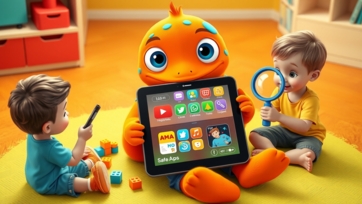
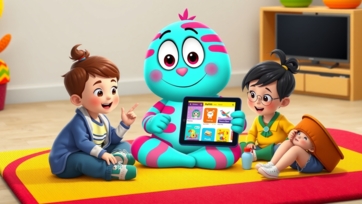
Screen Time and Digital Number Learning Tools:

Digital tools can support learning if used wisely.

Best practices:

  • Choose educational content only

  • Limit screen time

  • Learn together with kids

  • Balance with physical activities

Structured platforms like learn-kids.com provide safe number-learning experiences for young learners.


Tips for Parents Teaching Numbers 1 to 100:

  • Be patient and encouraging

  • Use everyday objects

  • Repeat numbers daily

  • Keep sessions short

  • Praise effort, not speed

Consistency matters more than perfection.


Final Thoughts:

Learning numbers 1 to 100 for kids becomes easy and enjoyable when taught through play, daily routines, songs, games, and hands-on activities. Early number learning builds confidence, improves thinking skills, and prepares children for future math success.

When parents focus on fun instead of pressure, kids naturally develop a love for numbers and learning.
Advertisement
Early Childhood Education Activities for Kids at Home
Early childhood is the most important phase of learning in a child’s life. Between the ages of 2 to 7, children develop cognitive skills, emotional intelligence, language abilities, and problem-solving power at a rapid pace. Parents often believe that quality education requires expensive schools or tutors, but research shows that early childhood education activities at home can be just as effective. This guide covers high-value, fun, and practical learning activities that support early childhood development while keeping kids engaged and happy at home. Why Early Childhood Education at Home Matters Early education builds the foundation for lifelong success. Children exposed to structured learning activities at home often perform better academically and socially. Key benefits include: Better memory and focus Faster language development Strong emotional intelligence Improved creativity and confidence Higher future academic success Parents who actively participate in learning also strengthen emotional bonding with their children. Learning Through Play (The Most Effective Method) Play-based learning is scientifically proven to be one of the most powerful early childhood education strategies. Examples of educational play Building blocks for spatial skills Pretend play (doctor, kitchen, shop) Puzzles for problem-solving Sorting toys by color and size Parents can find ideas and inspiration for development-focused toys on platforms like kidtoys.site, which focuses on learning-friendly toy concepts. Language and Early Literacy Activities Language development is a core part of early childhood education. Children learn best when language is introduced naturally. Simple literacy activities Reading picture books daily Naming objects around the house Storytelling with toys Singing rhymes and action songs Animated educational content can further strengthen listening and speaking skills. Carefully designed platforms such as boobacartoon.com use storytelling to help kids learn naturally. Early Math Activities for Young Children Early math education does not mean memorizing formulas. It focuses on understanding numbers and patterns. Easy math learning ideas Counting toys or fruits Measuring while cooking Sorting objects by size Playing with number cards These activities build early numeracy and prepare children for future STEM learning. Creative Art and Craft Activities Creativity is essential for emotional expression and brain development. Art and craft ideas Drawing and coloring Paper cutting and pasting Clay or dough modeling Painting with household items Art activities help children build confidence and improve fine motor skills. Educational Screen Time (Used the Right Way) Not all screen time is bad. When used properly, digital learning can support early education. Tips for healthy screen use Choose age-appropriate content Watch together and discuss lessons Keep sessions short Avoid fast and noisy animations Websites like learn-kids.com offer structured educational content that supports early learning goals. Sensory Activities for Brain Development Sensory play helps children understand the world through touch, sound, smell, and sight. Sensory play ideas Playing with sand or water Texture boxes with rice or beans Sound games using kitchen items Identifying smells and tastes Sensory activities strengthen brain connections and emotional regulation. Social and Emotional Learning at Home Education is not only about reading and numbers. Emotional intelligence is equally important. Emotional learning activities Role-playing emotions Talking openly about feelings Teaching sharing and patience Reading moral stories These activities help children build empathy and positive behavior early. Learning Through Daily Routines Everyday tasks are powerful learning opportunities. Daily routine learning ideas Cooking together (counting, measuring) Cleaning toys (responsibility) Grocery shopping (naming items) Gardening (nature awareness) Children learn best when education feels natural, not forced. Physical Activities and Motor Skill Development Physical movement supports brain growth and concentration. Physical activity ideas Jumping and balancing games Simple yoga for kids Ball games Dance and movement activities Active children are healthier, happier, and more focused learners. Structured Learning with Flexibility While routines help, flexibility keeps children interested. Each child learns at a different pace. Parents exploring playful and adaptive learning approaches can also find helpful inspiration on keekan.com, which focuses on engaging learning concepts for children. Final Thoughts Early childhood education activities at home do not require expensive tools or strict schedules. With creativity, consistency, and the right resources, parents can create a rich learning environment. By combining play-based learning, daily routines, and smart digital tools, parents help children develop confidence, curiosity, and a love for learning that lasts a lifetime.
Advertisement
Fun Math Exercises for Preschool Learning
Fun math exercises make early learning enjoyable and effective for preschoolers. Engaging activities help children develop counting, number recognition, shapes, patterns, and problem-solving skills while keeping their curiosity alive. When math is taught through playful exercises, children build confidence and develop a positive attitude toward learning. This guide shares parent-approved fun math exercises for preschool learning that can be done at home or in preschool settings. Why Fun Math Exercises Are Important for Preschoolers: Early math learning through fun exercises supports cognitive and social growth. Key benefits include: Strong counting and number recognition skills Enhanced logical thinking and problem-solving abilities Improved memory, focus, and attention Confidence in early academic learning Preparation for advanced math concepts Children who enjoy math from an early age are more likely to succeed academically. Best Age to Introduce Fun Math Exercises: Preschoolers (ages 3–5) can start learning math in interactive ways. Age-based suggestions: Ages 3–4: Counting 1–20, recognizing numbers, identifying shapes, simple patterns Ages 4–5: Counting 1–50, basic addition and subtraction, grouping objects, pattern recognition Gradual progression ensures children stay motivated and engaged. Creating a Math-Friendly Learning Environment: A supportive environment encourages daily exploration and learning. Tips for parents: Display colorful number and shape charts Keep counting toys, blocks, and puzzles accessible Use math in daily conversations and routines Encourage hands-on exploration Fun and consistency are more important than formal lessons. Counting and Number Recognition Exercises: Counting and number recognition are fundamental skills for preschoolers. Effective exercises: Counting toys, blocks, fruits, or household items Matching number cards with objects Tracing numbers in sand, flour, or on paper Singing counting songs together Interactive exercises on learn-kids.com provide practical and enjoyable counting practice. Shapes and Pattern Recognition Activities: Recognizing shapes and patterns enhances logical thinking. Fun activities: Sorting objects by size, color, or shape Creating sequences with blocks or beads Identifying shapes in the environment Playing simple matching or sorting games Patterns and shapes prepare children for problem-solving and higher math concepts. Basic Addition and Subtraction Through Play: Hands-on exercises make early operations easy to understand. Simple methods: Adding toys or snacks and counting the total Removing objects to illustrate subtraction Using fingers or drawings for visualization Small exercises integrated into playtime Hands-on learning is more effective than worksheets alone. Math Games to Make Learning Enjoyable: Games turn math exercises into playful experiences. Popular games: Dice games for counting Number matching cards and board games Hopscotch with numbers Sorting and grouping competitions Educational games on keekan.com help preschoolers practice math while having fun. Daily Routine Exercises for Math Learning: Everyday activities provide natural learning opportunities. Examples: Counting plates, cups, or utensils during mealtime Sorting laundry by size or color Measuring ingredients while cooking Counting toys during cleanup Routine-based exercises make math learning practical and meaningful. Songs and Rhymes to Reinforce Math Skills: Songs and rhymes help preschoolers memorize numbers and sequences. Benefits: Strengthens number memory and sequence Encourages repetition and active participation Makes learning fun and interactive Develops listening and focus skills Animated counting songs on boobacartoon.com are highly engaging for preschoolers. Hands-On Exercises Using Math Toys: Physical interaction helps children understand abstract concepts. Recommended toys: Counting blocks and beads Number puzzles and stacking cups Shape sorters and abacus Simple board games with numbers Hands-on play strengthens understanding of counting, addition, subtraction, and pattern recognition. Introducing Measurement and Comparison Skills: Comparisons and measurements enhance early logical thinking. Easy activities: Sorting big and small objects Comparing long and short items Counting and comparing quantities Using cups or containers to measure ingredients Early exposure prepares children for geometry and advanced math concepts. Common Challenges and Solutions: Some preschoolers may struggle with early math concepts. Common challenges: Skipping numbers while counting Confusing number shapes Losing focus during exercises Solutions: Keep sessions short and playful Use visual aids and hands-on activities Praise effort and curiosity, not speed Patience and repetition are essential for success. Tips for Parents for Effective Math Exercises: Make learning playful and enjoyable Repeat concepts regularly Use everyday objects for practice Encourage hands-on exploration Praise curiosity and effort consistently Positive reinforcement and regular practice help children develop strong math skills. Digital Tools to Support Preschool Math Learning: Digital tools can complement hands-on exercises if used wisely. Best practices: Choose educational apps or videos Limit screen time Participate alongside your child Combine digital learning with hands-on play Websites like learn-kids.com provide safe, structured, and interactive math exercises. Final Thoughts: Fun math exercises for preschool learning are most effective when they are interactive, playful, and hands-on. Through counting, number recognition, shapes, patterns, addition, subtraction, games, songs, and daily routines, children develop a strong foundation in math while building confidence and curiosity. Parents and teachers play a crucial role in making math enjoyable and meaningful. Early exposure encourages curiosity, confidence, and a lifelong love for learning numbers.
Top Safe Screen Time Rules Every Parent Should Follow in 2026
Screen time has become a regular part of children’s lives, but unsupervised or excessive usage can lead to sleep disruption, reduced attention, and behavioral issues. Following safe screen time rules ensures children enjoy technology responsibly, while still benefiting from educational content and interactive learning. Parents can leverage boobacartoon.com for engaging, age-appropriate cartoons that teach letters, numbers, and life skills safely. Kidtoys.site offers interactive toys that encourage offline play and hands-on learning, while learn.universitiesforllm.com provides structured visual guides and exercises for older children, creating a balanced learning environment. Why Safe Screen Time Rules Are Important: Protects Physical and Mental Health: Limits eye strain, encourages movement, and prevents overstimulation. Supports Cognitive Development: Ensures screen time is educational and purposeful. Encourages Social Skills: Children need offline interaction to develop communication and emotional intelligence. Builds Healthy Habits: Structured screen time fosters discipline and self-regulation. Essential Safe Screen Time Rules for Parents: 1. Set Daily Time Limits: Toddlers (2–5 years): Maximum 1 hour of educational content per day. Early school age (6–12 years): 1–2 hours for learning and creative activities. 2. Choose High-Quality Content: Prioritize educational cartoons from boobacartoon.com over purely entertainment-based videos. 3. Co-View and Engage: Watch content together and ask questions to reinforce learning and critical thinking. 4. Encourage Breaks: Every 20–30 minutes, have children pause, stretch, or engage in offline play like building blocks or puzzles from kidtoys.site. 5. Balance With Offline Activities: Incorporate arts, crafts, reading, and outdoor play to stimulate creativity and physical development. 6. Create a Technology-Free Zone: Bedrooms and meal areas should be screen-free to encourage better sleep and family interaction. 7. Teach Responsible Usage: Explain why limits are necessary and encourage children to self-regulate screen time. Additional Tips for Parents: Use Educational Guides: Older children can complement screen learning with visual guides from learn.universitiesforllm.com, which reinforce concepts learned digitally. Monitor Emotional Response: Notice if screen time leads to irritability, overexcitement, or distraction and adjust content or timing. Encourage Creativity Through Play: Balance screen exposure with imaginative play to maintain curiosity and problem-solving skills. Benefits of Following Safe Screen Time Rules: Healthy sleep patterns and reduced eye strain Enhanced learning from purposeful screen activities Improved social skills and emotional intelligence Encourages creativity, exploration, and problem-solving Builds discipline and healthy digital habits Conclusion: Safe screen time rules are essential for healthy child development in 2026. By limiting exposure, prioritizing educational content, and combining digital learning with hands-on activities from kidtoys.site and visual guides from learn.universitiesforllm.com, parents can ensure children enjoy screens responsibly while learning and growing effectively. Platforms like boobacartoon.com make educational screen time safe, fun, and engaging.
Basic Math Practice for Preschool Kids
Basic math practice is essential for preschool kids to develop a strong foundation in counting, number recognition, shapes, and simple operations. Early practice helps children understand math concepts naturally while building confidence and problem-solving skills. With fun, hands-on activities, preschoolers can learn math in a stress-free and playful way. This guide explains how parents and teachers can implement basic math practice for preschool kids at home or in the classroom using engaging methods, games, and daily routines. Why Basic Math Practice Matters: Practicing math at an early age has long-term benefits. Key advantages include: Improved number sense and counting ability Strong logical thinking and reasoning Better memory and focus Confidence for school readiness Smooth transition to more advanced math concepts Early exposure ensures children approach math positively rather than with fear. Best Age for Basic Math Practice: Preschool is the ideal stage for early math exposure. Age-based guidelines: Ages 2–3: Counting objects, recognizing numbers 1–10 Ages 3–4: Counting to 20, sorting and matching objects Ages 4–5: Counting to 50, identifying patterns, comparing quantities Ages 5–6: Counting to 100, basic addition and subtraction Starting gradually helps kids feel comfortable with numbers and math concepts. Creating a Math-Friendly Learning Environment: A supportive environment encourages daily practice and exploration. Easy tips: Display colorful number charts and shape posters Keep counting toys, blocks, and puzzles accessible Integrate math into daily routines Encourage curiosity and experimentation Parents do not need formal math training; consistency and fun matter most. Counting and Number Recognition Activities: Counting and recognizing numbers are fundamental skills for preschoolers. Fun activities: Counting toys, blocks, or snacks Pointing out numbers in books or signs Writing numbers in sand, flour, or on paper Using number flashcards Interactive counting exercises on learn-kids.com reinforce numbers naturally. Shape Recognition and Pattern Activities: Understanding shapes and patterns enhances logical thinking. Easy activities: Sorting objects by shape and color Drawing and decorating basic shapes Creating simple patterns with blocks or beads Spotting shapes in the environment Patterns and shapes prepare kids for more complex math reasoning later. Basic Addition and Subtraction Practice: Introducing simple operations builds problem-solving skills. Hands-on practice: Adding toys or blocks together and counting totals Removing items to show subtraction Using fingers or drawing objects for visualization Small daily exercises with snacks or household items Hands-on methods help children understand math concepts better than worksheets alone. Math Through Play and Games: Games make learning math fun and interactive. Popular preschool math games: Dice counting games Number matching card games Board games with counting challenges Jump-and-count or hopscotch Games available on keekan.com encourage playful math practice while reinforcing number concepts. Integrating Math Into Daily Routines: Everyday activities provide natural opportunities to practice math. Real-life examples: Counting plates, spoons, and cups at mealtime Sorting clothes by size or color Counting toys during cleanup Measuring ingredients while cooking Routine-based learning makes math practical and meaningful. Learning Math Through Songs and Rhymes: Songs help preschoolers memorize numbers and sequences effortlessly. Benefits: Enhances number sequence memory Encourages repetition Makes math enjoyable and memorable Supports listening and focus skills Animated counting songs on boobacartoon.com are very effective for early learners. Hands-On Math Activities Using Toys: Hands-on practice helps kids connect abstract concepts to real objects. Recommended toys: Counting blocks and beads Stacking cups and puzzles Shape sorters Simple abacus Manipulating physical objects strengthens understanding of numbers, addition, and subtraction. Introducing Measurement and Comparison Skills: Simple measurement and comparison activities enhance logical thinking. Easy activities: Comparing big and small objects Sorting long and short items Counting and comparing quantities of toys or snacks Using containers to measure items These skills lay the foundation for future concepts in geometry and measurements. Common Challenges in Basic Math Practice: Some children may struggle initially with numbers and concepts. Common issues: Skipping numbers while counting Mixing number shapes Losing interest quickly Solutions: Keep sessions short and playful Use visual aids and hands-on learning Provide consistent encouragement Every child develops at their own pace, so patience is crucial. Tips for Parents for Effective Math Practice: Use everyday objects for practice Encourage curiosity and exploration Repeat concepts regularly Praise effort, not speed Keep learning playful Consistency, positivity, and patience are key to building early math skills. Screen Time and Digital Math Learning Tools: Digital platforms can support math learning if used wisely. Best practices: Choose educational apps and videos only Limit screen time to short sessions Learn alongside your child Combine digital and hands-on activities Structured learning websites like learn-kids.com provide safe and engaging math exercises for preschoolers. Final Thoughts: Basic math practice for preschool kids should be fun, interactive, and pressure-free. Through counting, number recognition, patterns, addition, subtraction, games, hands-on toys, songs, and daily routines, children can develop strong math foundations early. Parents and teachers play an important role in creating a positive and supportive environment. When learning is enjoyable, children develop confidence, curiosity, and lifelong math skills.
How Parents Can Improve Child Emotional Intelligence
Emotional intelligence (EI) is a critical skill that enables children to understand their own feelings, empathize with others, and navigate social situations effectively. In 2026, with children growing up in a digital and fast-paced world, parents play a key role in improving child emotional intelligence through guidance, play, and safe digital learning. Why Emotional Intelligence Matters: Helps children regulate emotions and handle stress. Encourages empathy, kindness, and cooperation. Improves communication skills and relationships with peers. Supports academic success and creative problem-solving. Safe resources like learn.universitiesforllm.com, fun learning on boobacartoon.com, and interactive toys from kidtoys.site can strengthen emotional intelligence in engaging ways. Signs Your Child Can Benefit From EI Guidance: Difficulty expressing feelings clearly. Frequent frustration or outbursts over small issues. Trouble understanding other children’s perspectives. Avoidance of social interactions or teamwork. Recognizing these signs early allows parents to provide targeted support and guidance. Strategies for Improving Emotional Intelligence: 1. Teach Emotion Recognition: Encourage children to identify and name their emotions. Use facial expression cards, storytelling, or safe interactive apps from boobacartoon.com. Discuss feelings after digital or offline activities to reinforce awareness. 2. Model Healthy Emotional Expression: Demonstrate how to express feelings calmly and constructively. Parents’ responses teach children how to handle disappointment, anger, or excitement. 3. Encourage Empathy and Perspective-Taking: Discuss how others might feel in different situations. Role-playing games, cooperative tasks, or story-based learning on learn.universitiesforllm.com help children understand perspectives. 4. Promote Problem-Solving and Coping Skills: Guide children to develop strategies to manage frustration or conflict. Use interactive toys from kidtoys.site to create scenarios where children practice negotiation and compromise. 5. Foster Social Interaction: Encourage group activities, team games, or cooperative digital learning sessions. Provide opportunities to share, take turns, and communicate positively. 6. Positive Reinforcement: Praise children for expressing emotions constructively and empathizing with others. Reinforce effort, not just outcomes, to build self-esteem and confidence. 7. Integrate Digital Learning Thoughtfully: Use educational content on learn.universitiesforllm.com to explore social scenarios, moral choices, and emotional reflection. Avoid overexposure to fast-paced, overstimulating videos that may interfere with emotional processing. Conclusion: Parents in 2026 can actively enhance their child’s emotional intelligence by combining guidance, modeling, interactive learning, and playful experiences. Through safe digital platforms like boobacartoon.com, structured lessons on learn.universitiesforllm.com, and hands-on activities from kidtoys.site, children learn to recognize emotions, develop empathy, and respond constructively to social challenges. By fostering emotional awareness, problem-solving, and empathy from an early age, parents can help children grow into confident, socially adept, and emotionally resilient individuals.
Teaching Life Skills at Home: Raising Independent and Confident Kids in 2026
Academic success alone is not enough to prepare children for real life. In 2026, parents are increasingly realizing the importance of teaching life skills at home—skills that help children manage daily tasks, make decisions, communicate effectively, and grow into responsible individuals. Life skills education does not require formal lessons or expensive tools. It grows naturally through daily routines, practical activities, and guided independence. This article explains how parents can teach essential life skills at home in a calm, structured, and age-appropriate way. What Are Life Skills for Children?: Life skills are practical abilities that help children handle everyday situations confidently. Essential Life Skills for Kids Include: Self-care and hygiene Communication and emotional expression Problem-solving and decision-making Time management and responsibility Basic household skills When supported with structured learning platforms like learn.universitiesforllm.com, creative storytelling from boobacartoon.com, and hands-on activities inspired by kidtoys.site, life skills learning becomes natural and enjoyable. Why Teaching Life Skills at Home Matters: Children learn best in familiar environments where they feel safe and trusted. Benefits of Life Skills Education at Home: Builds independence and confidence Reduces dependency on parents Improves emotional intelligence Prepares children for real-world challenges Strengthens parent-child relationships Life skills help children apply academic knowledge in meaningful ways. Core Life Skills Parents Can Teach at Home: 1. Self-Care and Personal Responsibility: Teaching children to care for themselves is the foundation of independence. Dressing themselves Managing personal hygiene Organizing school supplies Cleaning their personal space These habits create discipline without pressure. 2. Communication and Emotional Skills: Children need to express thoughts and feelings clearly. Encourage children to talk about emotions Teach respectful listening Use storytelling from boobacartoon.com to discuss emotions and choices Practice calm conversations during conflicts Strong communication builds emotional balance. 3. Decision-Making and Problem-Solving: Let children make small choices daily. Choosing clothes Planning activities Solving simple household problems Structured thinking activities from learn.universitiesforllm.com can reinforce logical decision-making skills. Practical Life Skills Through Daily Activities: Kitchen Skills: Measuring ingredients Preparing simple meals Cleaning after cooking These activities teach math, responsibility, and patience. Money Awareness: Understanding saving and spending Making small purchase decisions Discussing needs vs wants Children develop financial awareness early through guided practice. Time Management: Creating daily routines Setting simple goals Managing screen and study time Time skills help children feel in control of their day. Teaching Life Skills Through Play: Play is one of the most effective ways to teach life skills. Role-playing real-life situations Cooperative games that require teamwork Hands-on learning tools inspired by kidtoys.site Play-based learning makes responsibility feel fun, not forced. Age-Appropriate Life Skills Learning: Early Childhood: Putting toys away Following simple instructions Identifying emotions Middle Childhood: Managing homework Helping with household tasks Communicating needs clearly Pre-Teens: Planning schedules Managing personal belongings Solving conflicts independently Life skills should grow gradually with age and maturity. Common Mistakes Parents Should Avoid: Doing Everything for the Child: Over-helping reduces confidence. Expecting Perfection: Mistakes are part of learning. Using Pressure or Punishment: Life skills grow best through trust and guidance. How Digital Tools Support Life Skills Learning: In 2026, balanced digital support enhances real-life learning. learn.universitiesforllm.com helps children think critically and solve problems independently boobacartoon.com supports emotional learning through stories kidtoys.site inspires hands-on activities that mirror real-world tasks Digital tools should support, not replace, real-life experiences. How Life Skills Shape a Child’s Future: Children who develop strong life skills: Handle challenges calmly Communicate confidently Adapt easily to change Show responsibility and empathy Become self-reliant learners Life skills prepare children not just for school—but for life. Conclusion: Teaching life skills at home in 2026 is about empowerment, not control. When parents involve children in daily activities, allow decision-making, and encourage independence, children naturally develop confidence and responsibility. With thoughtful guidance, supportive platforms like learn.universitiesforllm.com, emotional storytelling from boobacartoon.com, and hands-on learning inspired by kidtoys.site, parents can raise capable, balanced, and independent children ready to face the real world.
Cognitive Skill Development for Early Childhood
Early childhood is a critical stage for cognitive skill development. Children’s brains are rapidly growing, and the experiences they have during these years shape their thinking, learning, and problem-solving abilities. Parents and caregivers can play a vital role in nurturing these skills through engaging, hands-on, and fun activities. This guide provides practical strategies to help preschoolers develop memory, attention, reasoning, creativity, and critical thinking skills while enjoying the learning process. Why Cognitive Skills Matter in Early Childhood: Cognitive skills are the building blocks for learning and intellectual growth. Developing these skills in early childhood helps children: Solve problems effectively Improve memory and focus Understand concepts and relationships Communicate ideas clearly Build confidence and curiosity Studies show that children who participate in stimulating activities at home and preschool perform better academically and socially later. Websites like https://learn-kids.com provide valuable resources for parents to support cognitive development naturally. Hands-On Activities for Brain Stimulation: Active, hands-on learning strengthens thinking skills in young children: Building and Construction Play: Provide blocks, LEGO sets, or magnetic tiles. Ask children to build structures or recreate patterns. This develops spatial awareness, problem-solving, and fine motor skills. Toys for this purpose can be found at https://kidtoys.site. Sorting and Categorizing: Encourage kids to sort objects by color, size, or shape. This improves analytical thinking and helps them recognize patterns in their environment. Puzzle Challenges: Simple jigsaw puzzles, shape-matching games, and logic puzzles enhance memory, attention, and reasoning skills. Memory-Boosting Games: Memory games are essential for cognitive growth and attention span: Matching Card Games: Create pairs of cards with animals, numbers, or shapes. Let children flip them to find matches. This strengthens memory and visual recognition. “I Spy” Observation Games: Use everyday items at home or outdoors for an “I Spy” game. Asking questions like, “Can you find something red and round?” improves observation and recall. Sequence and Story Games: Line up objects or picture cards in a sequence and ask children to repeat it. Story-based sequences also enhance narrative memory and logical thinking. Creative Arts and Imagination: Art and creativity boost problem-solving and critical thinking skills: Drawing and Painting: Encourage children to draw objects, shapes, or imaginary worlds. Discuss their artwork to develop reasoning and descriptive language skills. Playdough and Clay Modeling: Making animals, shapes, or letters from playdough enhances fine motor skills, imagination, and spatial thinking. Craft Projects: Cutting, gluing, and assembling craft materials fosters planning, concentration, and creativity. Videos and ideas can be found on https://boobacartoon.com. Math and Logic Development: Early exposure to math concepts builds analytical and problem-solving skills: Counting Games: Use toys, beads, or snacks to count, group, and compare quantities. This introduces numbers and basic math skills. Simple Addition and Subtraction: Introduce adding and subtracting with objects. Example: “You have 3 apples and get 2 more. How many now?” Pattern Recognition: Create repeating patterns with blocks, stickers, or colored beads. Ask children to continue the pattern to enhance logical reasoning. Language and Storytelling for Thinking Skills: Language development is closely linked to cognitive growth: Interactive Reading: Read colorful storybooks and ask children questions about the plot, characters, and events. Encourage them to predict outcomes. Story Creation: Invite kids to tell their own stories using toys, puppets, or drawings. This enhances creativity, sequencing, and memory. Rhymes and Songs: Songs like “Five Little Ducks” or “The Wheels on the Bus” improve memory, rhythm, and language skills. Check https://keekan.com for animated, educational songs. Sensory Activities to Stimulate the Brain: Sensory play engages multiple brain areas simultaneously: Sand and Water Exploration: Allow children to pour, scoop, and experiment with sand or water. Introduce concepts like full/empty, heavy/light. Sensory Bins: Fill bins with rice, beans, or pasta and hide small objects for children to find. This combines tactile play with problem-solving. Texture Exploration: Use different fabrics or natural materials for children to touch, describe, and compare. This enhances descriptive language and sensory awareness. Outdoor Activities for Cognitive Growth: Outdoor play encourages problem-solving, observation, and creativity: Nature Walks: Explore the environment together, asking children to observe shapes, colors, and sizes of leaves, flowers, or insects. Scavenger Hunts: Set up hunts involving colors, shapes, or numbers. This encourages observation, memory, and logical thinking. Active Movement Games: Games like hopscotch, ball toss, or balance challenges combine physical activity with cognitive skill development. Technology and Educational Resources: Educational apps and websites can supplement hands-on activities: https://learn-kids.com – Brain games, logic activities, and interactive learning https://keekan.com – Fun animated videos for memory, math, and creativity https://boobacartoon.com – Engaging learning cartoons for preschoolers https://kidtoys.site – Toys that support problem-solving, spatial reasoning, and cognitive growth These resources make learning playful, interactive, and educational. Tips for Parents to Support Cognitive Skills: Parental involvement is key to nurturing early cognitive abilities: Encourage curiosity and ask open-ended questions Praise effort, creativity, and persistence Integrate learning into daily routines Balance structured activities with free play Make learning enjoyable, not stressful Conclusion: Nurturing Smart and Curious Minds: Cognitive skill development in early childhood is best supported through a combination of play, creativity, sensory exploration, storytelling, math, and outdoor activities. By using educational toys from https://kidtoys.site, animated lessons from https://boobacartoon.com, and interactive songs from https://keekan.com, parents can create a stimulating, fun, and educational environment. By making learning hands-on, joyful, and part of everyday life, children develop critical thinking, memory, creativity, and problem-solving skills that set the stage for lifelong success.
How to Improve Child Attention Span: A 2026 Parent’s Guide
In today’s fast-paced digital world, children are constantly exposed to multiple stimuli, making it challenging to maintain focus. Understanding how to improve child attention span in 2026 is crucial for learning, creativity, and healthy development. Why Attention Span Matters: A strong attention span helps children: Concentrate during study and screen-based learning. Complete tasks and follow instructions effectively. Develop problem-solving and critical thinking skills. Engage meaningfully in social and creative activities. Platforms like learn.universitiesforllm.com, interactive content on boobacartoon.com, and hands-on play from kidtoys.site can support focus-building while keeping learning enjoyable. Common Factors Affecting Attention Span: 1. Excessive Screen Time: Overuse of fast-paced apps, videos, and games can reduce focus. Continuous stimulation can make children restless and impatient. 2. Lack of Structured Routine: Unorganized schedules make it difficult to sustain concentration. Frequent task-switching can impair cognitive control. 3. Emotional or Environmental Distractions: Stress, boredom, or noisy environments can interfere with attention. Children need calm, supportive spaces to focus effectively. Strategies to Improve Attention Span: 1. Establish a Daily Routine: Set specific times for study, learning apps, and recreational activities. Alternate between focused learning and short breaks to prevent fatigue. Use learning platforms like learn.universitiesforllm.com for structured lessons. 2. Break Tasks Into Smaller Steps: Divide homework or learning activities into manageable chunks. Use interactive apps and games on boobacartoon.com to make tasks engaging. Reward completion of steps to motivate sustained focus. 3. Encourage Mindful Play: Introduce activities that require concentration, such as puzzles, building blocks, or art projects from kidtoys.site. Limit multitasking during learning sessions. Engage children in single-focus tasks to gradually build attention span. 4. Create a Calm, Stimulus-Free Environment: Minimize background noise and distractions during study or focused play. Use soft lighting, comfortable seating, and organized workspaces. Encourage regular breaks to recharge attention. 5. Teach Self-Regulation Techniques: Practice breathing exercises or short mindfulness activities. Encourage children to set small goals and monitor their progress. Discuss strategies to refocus when distracted. 6. Rotate Between Digital and Offline Learning: Balance interactive apps, videos, and cartoons with hands-on creative play. Use boobacartoon.com for engaging educational videos and kidtoys.site for physical interactive toys. Alternate learning mediums to keep children engaged without overloading their attention. 7. Positive Reinforcement: Praise children for sustained focus and effort, not just outcomes. Set achievable milestones and reward consistent attention and engagement. Encourage curiosity and active participation in both digital and offline activities. Conclusion: Improving a child’s attention span in 2026 requires a combination of structured routines, engaging content, mindful play, and parental guidance. By leveraging educational platforms like learn.universitiesforllm.com, interactive learning on boobacartoon.com, and hands-on creative play from kidtoys.site, parents can nurture focus, curiosity, and critical thinking. Balanced digital and offline activities, consistent encouragement, and mindful guidance help children develop the attention span necessary for lifelong learning and success.