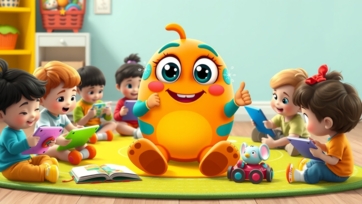
Learning Vocabulary Through Cartoons

Cartoons are more than just fun for children; in 2025, they have become a highly effective tool for teaching vocabulary and language skills. Parents and educators are discovering that age-appropriate educational cartoons help toddlers and preschoolers learn new words faster by combining visual storytelling, repetition, music, and engaging characters.

When children watch the right cartoons, they don’t just enjoy themselves—they also develop language comprehension, pronunciation, and communication skills. This makes cartoons a valuable supplement to early childhood education.


Why Cartoons Are Effective for Vocabulary Learning:

Children learn best when they are entertained and engaged. Cartoons provide a multi-sensory learning experience that improves vocabulary acquisition in several ways:

  • Visual Context: Characters, objects, and actions shown on screen help children understand word meanings.

  • Repetition: Frequent repetition of phrases, songs, and dialogues reinforces memory and helps children recall words.

  • Music and Rhythm: Songs in cartoons make vocabulary catchy and easier to remember.

  • Relatable Characters: Children connect with characters, which encourages active listening and word usage.

Studies in 2025 confirm that children exposed to educational cartoons regularly expand their vocabulary faster than those who rely solely on traditional methods like books or flashcards.


Types of Cartoons That Boost Vocabulary:

Story-Based Cartoons:

Shows like Peppa Pig and Bluey teach children everyday words and expressions through simple stories. These cartoons help children understand contextual meaning, conversation patterns, and social language.

Phonics and Literacy Cartoons:

Programs such as Alphablocks focus on letters, sounds, and spelling. They introduce children to new words, helping them understand how sounds combine to form meaningful words.

Educational Songs and Rhymes:

Cartoons like Super Simple Songs use music and repetition to teach new words. Rhymes make it easier for toddlers to memorize vocabulary while having fun.

Science and Exploration Cartoons:

Shows like Blippi introduce children to real-world concepts, animals, colors, and everyday objects. Children learn the names of objects, actions, and descriptive words in an engaging way.


How Cartoons Enhance Vocabulary Learning:

Contextual Understanding:

By seeing a word in action, children understand its meaning without needing direct explanation. For example, a cartoon showing a character “jumping” teaches the word “jump” in context.

Repeated Exposure:

Words repeated across episodes help children internalize language naturally. Educational cartoons are designed to reinforce key vocabulary through storytelling and songs.

Multi-Sensory Engagement:

Combining visuals, sound, and movement stimulates multiple senses, which strengthens memory retention. Kids remember words better when learning involves more than one sense.

Encouragement of Speaking:

Cartoons motivate children to imitate words and sentences, encouraging active vocabulary usage and boosting confidence in speaking.


Tips for Parents to Maximize Vocabulary Learning:

Choose Age-Appropriate Cartoons:

Ensure the content is suitable for your child’s age. Toddlers need slow-paced, simple vocabulary, while preschoolers can handle slightly complex sentences.

Co-View and Discuss:

Watching together allows parents to pause, explain, and ask questions. This interaction reinforces word understanding and practical usage.

Encourage Repetition and Practice:

Ask children to repeat words, sing along, or point to objects shown in the cartoon. Active participation improves retention.

Balance Screen Time:

Limit viewing to 1–2 hours per day, combining it with reading, play, and other educational activities.


Benefits of Learning Vocabulary Through Cartoons:

  • Improved Language Skills: Rapid acquisition of new words and phrases.

  • Enhanced Communication: Children learn to express thoughts and feelings more effectively.

  • Better Reading Readiness: Familiarity with letters, sounds, and words prepares children for reading.

  • Increased Curiosity: Exposure to new concepts encourages exploration and learning.

  • Fun and Motivation: Enjoyable cartoons make learning a positive experience, boosting engagement.


Best Practices for Selecting Educational Vocabulary Cartoons:

  1. Focus on shows with clear educational goals.

  2. Prefer cartoons that encourage interaction and active learning.

  3. Avoid overly fast-paced or distracting animations.

  4. Ensure characters and stories model positive behavior.

  5. Mix vocabulary cartoons with real-life language practice and reading.


Conclusion:

Learning vocabulary through cartoons is an effective and enjoyable method for young children in 2025. By providing visual context, repetition, music, and relatable characters, educational cartoons accelerate language development, communication skills, and reading readiness.

When parents carefully choose age-appropriate content and engage with children during viewing, cartoons become more than entertainment—they transform into a powerful tool for faster and deeper vocabulary learning.


Advertisement
How to Improve Child Attention Span: A 2026 Parent’s Guide
In today’s fast-paced digital world, children are constantly exposed to multiple stimuli, making it challenging to maintain focus. Understanding how to improve child attention span in 2026 is crucial for learning, creativity, and healthy development. Why Attention Span Matters: A strong attention span helps children: Concentrate during study and screen-based learning. Complete tasks and follow instructions effectively. Develop problem-solving and critical thinking skills. Engage meaningfully in social and creative activities. Platforms like learn.universitiesforllm.com, interactive content on boobacartoon.com, and hands-on play from kidtoys.site can support focus-building while keeping learning enjoyable. Common Factors Affecting Attention Span: 1. Excessive Screen Time: Overuse of fast-paced apps, videos, and games can reduce focus. Continuous stimulation can make children restless and impatient. 2. Lack of Structured Routine: Unorganized schedules make it difficult to sustain concentration. Frequent task-switching can impair cognitive control. 3. Emotional or Environmental Distractions: Stress, boredom, or noisy environments can interfere with attention. Children need calm, supportive spaces to focus effectively. Strategies to Improve Attention Span: 1. Establish a Daily Routine: Set specific times for study, learning apps, and recreational activities. Alternate between focused learning and short breaks to prevent fatigue. Use learning platforms like learn.universitiesforllm.com for structured lessons. 2. Break Tasks Into Smaller Steps: Divide homework or learning activities into manageable chunks. Use interactive apps and games on boobacartoon.com to make tasks engaging. Reward completion of steps to motivate sustained focus. 3. Encourage Mindful Play: Introduce activities that require concentration, such as puzzles, building blocks, or art projects from kidtoys.site. Limit multitasking during learning sessions. Engage children in single-focus tasks to gradually build attention span. 4. Create a Calm, Stimulus-Free Environment: Minimize background noise and distractions during study or focused play. Use soft lighting, comfortable seating, and organized workspaces. Encourage regular breaks to recharge attention. 5. Teach Self-Regulation Techniques: Practice breathing exercises or short mindfulness activities. Encourage children to set small goals and monitor their progress. Discuss strategies to refocus when distracted. 6. Rotate Between Digital and Offline Learning: Balance interactive apps, videos, and cartoons with hands-on creative play. Use boobacartoon.com for engaging educational videos and kidtoys.site for physical interactive toys. Alternate learning mediums to keep children engaged without overloading their attention. 7. Positive Reinforcement: Praise children for sustained focus and effort, not just outcomes. Set achievable milestones and reward consistent attention and engagement. Encourage curiosity and active participation in both digital and offline activities. Conclusion: Improving a child’s attention span in 2026 requires a combination of structured routines, engaging content, mindful play, and parental guidance. By leveraging educational platforms like learn.universitiesforllm.com, interactive learning on boobacartoon.com, and hands-on creative play from kidtoys.site, parents can nurture focus, curiosity, and critical thinking. Balanced digital and offline activities, consistent encouragement, and mindful guidance help children develop the attention span necessary for lifelong learning and success.
Advertisement
Importance of Parent-Child Communication in 2026
Effective communication between parents and children is crucial for emotional development, trust, and problem-solving skills. In 2026, when children are exposed to digital media, online learning, and fast-paced environments, fostering parent-child communication is more important than ever. Why Parent-Child Communication Matters: Builds trust and emotional security. Encourages self-expression and confidence. Strengthens problem-solving and decision-making skills. Helps parents understand their child’s needs and emotions. Digital and interactive learning resources like learn.universitiesforllm.com, fun storytelling on boobacartoon.com, and hands-on play via kidtoys.site can provide talking points and shared activities that enhance communication. Barriers to Effective Communication: 1. Digital Distractions: Excessive screen time can reduce meaningful conversations. 2. Busy Schedules: Lack of dedicated time to talk can weaken emotional bonds. 3. Generational Gaps: Differences in understanding technology, trends, or learning styles can cause misunderstandings. 4. Emotional Barriers: Children may hesitate to express feelings due to fear, shyness, or frustration. Strategies to Enhance Parent-Child Communication: 1. Schedule Regular Conversations: Set aside daily moments to check in emotionally and academically. Use interactive lessons on learn.universitiesforllm.com as conversation starters. 2. Practice Active Listening: Pay full attention, maintain eye contact, and acknowledge feelings. Avoid interrupting or dismissing emotions, even during disagreements. 3. Encourage Expression Through Play: Use storytelling, role-play, or creative activities from boobacartoon.com and kidtoys.site. Playful interaction can help children open up about challenges or feelings. 4. Ask Open-Ended Questions: Encourage reflection and sharing: “How did that make you feel?” Avoid questions with yes/no answers to foster deeper discussion. 5. Validate Feelings: Recognize emotions and empathize: “It’s okay to feel frustrated; let’s find a solution together.” 6. Model Communication Skills: Show respectful listening, calm discussion, and problem-solving. Children learn by observing parents’ communication behaviors. 7. Use Digital Tools Thoughtfully: Share fun educational videos on boobacartoon.com or interactive learning tasks on learn.universitiesforllm.com to discuss topics together. Digital activities can provide a shared focus for conversations. Conclusion: In 2026, strong parent-child communication is essential for emotional intelligence, problem-solving, and resilience. By dedicating time, actively listening, using play-based learning, and integrating safe digital tools from boobacartoon.com, kidtoys.site, and learn.universitiesforllm.com, parents can build trust and guide their children toward confident, expressive, and socially aware adulthood. Meaningful communication fosters lifelong bonds, helping children navigate both digital and real-world challenges with confidence and emotional balance.
Daily Learning Routine for Preschool Kids
A well-structured daily learning routine for preschool kids helps children develop consistency, focus, and essential skills while keeping learning fun. Preschool years are crucial for building cognitive, social, emotional, and motor skills, and a predictable daily routine creates a foundation for lifelong learning. This guide provides practical ideas and activities for parents and teachers to implement at home or in preschool settings. Why a Daily Routine Matters: Daily routines provide structure and stability, helping children know what to expect and stay engaged. Key benefits include: Builds focus, attention, and memory Strengthens language and communication skills Encourages early numeracy and problem-solving Enhances social-emotional development Prepares children for formal schooling Consistency in routines supports healthy habits and positive learning attitudes. Morning Learning Activities: Starting the day with interactive and stimulating activities sets the tone for effective learning. Ideas: Reading a short story or picture book Singing morning songs or nursery rhymes Simple counting and number recognition games Alphabet or letter tracing exercises Platforms like boobacartoon.com can complement morning literacy activities with fun animated content. Creative and Arts Activities: Morning or mid-day creative time allows children to express themselves and develop fine motor skills. Activities: Coloring, drawing, or painting Clay or dough modeling Paper crafts and simple origami Music, dancing, and rhythm games Creative activities improve imagination, concentration, and problem-solving skills. Midday Learning and Exploration: Hands-on learning encourages curiosity and observation. Ideas: Sorting and classifying toys or household items Science experiments with water, ice, or plants Nature walks and outdoor exploration Counting and measuring during cooking or snack time Resources such as learn-kids.com provide guided interactive activities to support exploratory learning. Language and Literacy Activities: Language development is critical and can be integrated throughout the day. Activities: Reading aloud and discussing storylines Storytelling with toys and props Singing rhymes and action songs Labeling objects and introducing new vocabulary Consistent exposure to language fosters vocabulary growth and early literacy skills. Math and Numeracy Activities: Daily practice helps children develop early math skills naturally. Activities: Counting everyday items like toys, fruits, or steps Sorting by size, color, or shape Simple addition or subtraction games Pattern recognition and sequencing exercises Hands-on numeracy activities enhance logical thinking and confidence in problem-solving. Sensory and Physical Activities: Sensory play and physical movement support cognitive, emotional, and motor development. Activities: Playing with sand, water, rice, or beans Jumping, balancing, and simple obstacle courses Yoga or stretching for flexibility and focus Outdoor play like running or ball games Active and sensory learning strengthens both mind and body. Social and Emotional Learning: Social-emotional activities should be incorporated daily to teach empathy, cooperation, and self-regulation. Ideas: Role-playing different emotions Cooperative games with siblings or peers Discussing feelings during storytime Teaching sharing and patience through structured play Social-emotional learning prepares children for interactions in school and daily life. Evening Reflection and Calm Activities: Ending the day with calm activities helps children relax and process learning experiences. Ideas: Quiet reading or storytelling Drawing or journaling about the day Simple mindfulness or breathing exercises Reviewing letters, numbers, or new words learned Calm evening routines improve sleep quality and reinforce daily learning. Tips for Implementing a Daily Routine: Keep the schedule predictable but flexible Mix structured and free-play activities Observe the child’s interests and adapt accordingly Limit screen time and focus on interactive learning Celebrate achievements and progress A consistent yet flexible routine fosters curiosity, motivation, and confidence in preschool kids. Final Thoughts: A daily learning routine for preschool kids ensures that children develop essential skills while enjoying the process. By integrating language, math, creative arts, sensory play, physical activity, and social-emotional learning, parents and teachers can create a nurturing environment that prepares children for school and lifelong learning. The ultimate goal is to make learning consistent, engaging, and developmentally appropriate, promoting curiosity, confidence, and a love for learning.
Digital Parenting Tips for Modern Parents in 2026
In 2026, children are growing up in an increasingly digital world. Smartphones, tablets, educational apps, and online platforms are central to their learning and entertainment. While technology offers immense benefits, it also brings challenges for parents. Understanding digital parenting tips for modern parents is essential to help children enjoy the online world safely and responsibly. Why Digital Parenting Matters: Modern parents face the challenge of guiding children through: Exposure to inappropriate content. Excessive screen time and online addiction. Cyberbullying or negative online interactions. Challenges in balancing online and offline activities. By using structured digital parenting strategies and leveraging safe platforms like learn.universitiesforllm.com, boobacartoon.com, and kidtoys.site, parents can ensure a healthy, enriching online experience. Top Digital Parenting Tips for Modern Parents: 1. Set Clear Rules and Boundaries: Define daily screen time limits and device-free periods. Create device-free zones during meals, homework, and bedtime. Discuss the reasons behind rules to foster understanding and cooperation. 2. Use Parental Control Tools: Utilize Google Family Link for Android devices or Screen Time for iPhones. Install third-party apps like Qustodio, Net Nanny, or Bark to monitor activity. Approve educational apps and restrict inappropriate content to maintain a safe digital environment. 3. Encourage Educational and Safe Content: Introduce platforms like learn.universitiesforllm.com for learning-focused videos and activities. Use curated entertainment from boobacartoon.com for safe, fun videos. Explore interactive games and creative learning tools on kidtoys.site. 4. Model Healthy Digital Habits: Show children how to balance online and offline activities. Avoid excessive device use in front of children. Engage in shared online activities, such as educational videos or interactive apps. 5. Promote Critical Thinking and Safe Online Behavior: Discuss the difference between reliable and unreliable online information. Teach children how to respond to online negativity or cyberbullying. Encourage respectful communication and safe social interactions. 6. Maintain Open Communication: Ask about what they watch, play, or learn online. Praise safe online decisions to reinforce responsible behavior. Create an environment where children feel comfortable reporting concerns or asking questions. 7. Balance Screen Time with Offline Activities: Encourage hobbies like reading, drawing, puzzles, or outdoor play. Arrange family activities that don’t involve screens to foster social and physical development. Set goals for offline achievements alongside online learning milestones. 8. Stay Updated on Technology Trends: Monitor new apps, social media platforms, and digital trends relevant to children. Update parental controls and device settings as technology evolves. Educate yourself continuously to guide children confidently in a rapidly changing digital landscape. Conclusion: Digital parenting in 2026 requires awareness, guidance, and active involvement. By setting boundaries, using parental controls, modeling healthy habits, and encouraging educational and safe online content from learn.universitiesforllm.com, boobacartoon.com, and kidtoys.site, parents can create a secure and enriching environment. Balancing online and offline activities, fostering open communication, and promoting critical thinking ensures children develop healthy digital habits, curiosity, and responsible use of technology. Modern digital parenting empowers children to explore the digital world safely while growing into confident, well-rounded individuals.
Critical Thinking Activities for Kids Learning
Critical thinking is a vital skill that helps children analyze information, solve problems, make decisions, and think creatively. Developing these skills early in life sets the stage for academic success and lifelong learning. Parents and caregivers can encourage critical thinking through fun, engaging, and hands-on activities that make learning interactive and enjoyable. This guide provides practical strategies and activities to help preschool and kindergarten kids enhance reasoning, problem-solving, and decision-making skills. Why Critical Thinking is Important for Kids: Critical thinking equips children with essential skills for navigating the world: Solve problems independently Understand cause-and-effect relationships Make informed decisions Enhance creativity and imagination Build confidence in learning and social situations Early experiences that challenge thinking and encourage curiosity help children develop strong cognitive skills. Educational platforms like https://learn-kids.com offer excellent guidance for parents to nurture critical thinking in everyday life. Hands-On Problem-Solving Activities: Practical, hands-on experiences engage children and enhance reasoning skills: Building Challenges: Provide blocks, LEGO, or magnetic tiles and ask children to build a structure with specific requirements (e.g., tallest tower or bridge). This teaches planning, spatial reasoning, and creative problem-solving. Check https://kidtoys.site for suitable building toys. Puzzle Solving: Simple jigsaw puzzles, shape sorters, and logic boards challenge children to think critically and recognize patterns. DIY Obstacle Courses: Set up a safe indoor or backyard course with instructions like “go around the chair, hop twice, then crawl under the table.” This promotes sequencing, planning, and decision-making. Memory and Observation Games: Observation and memory strengthen analytical thinking: Matching and Sorting Games: Create cards or objects to sort by color, shape, or size. Ask children to explain their choices to enhance reasoning. “I Spy” Challenges: Use surroundings for “I Spy” games. Encourage kids to spot details and recall information, improving attention and analytical thinking. Story Recall: Read a short story and ask children to retell it in their own words. This enhances memory, comprehension, and sequencing skills. Creative Arts to Stimulate Critical Thinking: Art encourages exploration, experimentation, and problem-solving: Drawing with Prompts: Give children prompts like “Draw a house that floats in the sky” or “Create a new animal.” Ask them to explain their choices to develop reasoning and imagination. Craft Projects: Encourage making crafts using limited materials. Children must plan, evaluate, and execute ideas, fostering decision-making and creativity. Playdough Challenges: Ask children to create specific shapes, animals, or objects. Problem-solving during modeling enhances spatial thinking and fine motor skills. Educational craft ideas are available at https://boobacartoon.com. Math and Logic Activities: Math is a natural way to promote critical thinking: Pattern Recognition: Create sequences with blocks, beads, or stickers. Ask children to continue or replicate the pattern, fostering logical reasoning. Simple Word Problems: Use toys or snacks to introduce story-based addition and subtraction problems. Example: “You have 4 apples and give 2 to your friend. How many left?” Sorting and Classifying: Sort items by multiple attributes, such as color and size, to encourage analytical thinking. Storytelling and Questioning for Reasoning: Language and storytelling improve critical thinking and comprehension: Interactive Reading: Read books aloud and ask questions like “Why do you think the character did that?” or “What would you do in this situation?” Create Your Story: Encourage children to make up stories with toys, puppets, or drawings. Ask them to explain choices and outcomes, which develops reasoning skills. Rhymes and Problem Songs: Songs like “Five Little Monkeys” or “If You’re Happy and You Know It” can be turned into problem-solving exercises. Animated versions are available at https://keekan.com. Outdoor Activities for Critical Thinking: Outdoor play offers natural opportunities for decision-making and problem-solving: Nature Exploration: Ask children to observe the environment and make predictions. Example: “What do you think will happen if it rains today?” Scavenger Hunts: Provide clues requiring logic and observation to find objects. This enhances problem-solving and critical thinking. Team Games: Games that involve rules, strategies, or collaboration, like building sandcastles or treasure hunts, promote analytical thinking and social reasoning. Sensory Play for Decision-Making: Sensory activities engage multiple senses and enhance cognitive flexibility: Water and Sand Experiments: Let children pour, measure, and explore textures. Introduce simple “What if” questions to encourage experimentation. Sensory Bins: Hide objects in rice, beans, or pasta. Ask children to find and categorize them, combining tactile exploration with reasoning. Texture Sorting: Use fabrics, leaves, or other materials to explore, sort, and classify by texture, weight, or color. Using Educational Technology: Educational apps and websites can reinforce critical thinking through interactive learning: https://learn-kids.com – Logic games, memory activities, and reasoning exercises https://keekan.com – Animated problem-solving videos and songs https://boobacartoon.com – Interactive learning cartoons for reasoning and creativity https://kidtoys.site – Toys that develop problem-solving, planning, and spatial thinking Tips for Parents to Foster Critical Thinking: Parents’ support is key to developing reasoning and problem-solving skills: Encourage questions and curiosity Allow children to explore solutions independently Praise effort, creativity, and persistence Make learning playful and interactive Integrate critical thinking into daily routines Conclusion: Building Smart, Curious Thinkers: Critical thinking is a vital skill that grows through play, exploration, storytelling, and hands-on problem-solving. By incorporating activities like puzzles, memory games, math challenges, storytelling, sensory play, and outdoor adventures, parents can help children develop reasoning, decision-making, and creative thinking skills. Use educational toys from https://kidtoys.site, craft ideas from https://boobacartoon.com, and interactive songs from https://keekan.com to make learning fun, playful, and educational. Supporting critical thinking in early childhood lays the foundation for confident, curious, and capable learners.
Best Homeschool Curriculum for Early Learners
Choosing the right homeschool curriculum for early learners sets the foundation for a child’s academic, social, and emotional development. In 2026, parents have access to a variety of interactive, creative, and hands-on learning resources that make early education engaging and effective. Why a Strong Curriculum Matters for Early Learners: Develops literacy, numeracy, and problem-solving skills from the start. Encourages curiosity, creativity, and independent thinking. Integrates play-based learning, which is crucial for young children. Uses platforms like learn.universitiesforllm.com, boobacartoon.com, and kidtoys.site to combine digital and tactile experiences. Key Components of an Early Learner Curriculum: 1. Language & Literacy: Introduce phonics, storytelling, and reading readiness. Use interactive reading exercises from boobacartoon.com to make learning fun. Encourage children to express ideas through drawing, story-building, and role-play. 2. Math & Logical Thinking: Focus on counting, shapes, patterns, and simple problem-solving. Hands-on learning with manipulatives and building toys from kidtoys.site. Incorporate fun digital exercises from learn.universitiesforllm.com. 3. Science & Exploration: Introduce nature observation, experiments, and sensory activities. Encourage outdoor exploration to observe plants, insects, and weather. Use interactive science modules online to complement hands-on experiments. 4. Creative Arts & Music: Include drawing, painting, music, and dance to nurture creativity. Art and music activities help with fine motor skills and self-expression. 5. Social & Emotional Learning: Teach sharing, empathy, cooperation, and self-control. Use role-playing games and storytelling exercises to strengthen social skills. Tips for Parents: Mix Digital and Hands-On Learning: Combine interactive platforms like learn.universitiesforllm.com with physical toys from kidtoys.site. Keep Lessons Short and Fun: Early learners have short attention spans; rotate activities every 20–30 minutes. Encourage Curiosity: Let children ask questions and explore answers creatively. Balance Indoor and Outdoor Activities: Learning in nature strengthens observational skills and attention. Positive Reinforcement: Praise effort and curiosity rather than just results. Conclusion: A well-rounded homeschool curriculum for early learners in 2026 blends digital tools, hands-on learning, and outdoor exploration. Using boobacartoon.com, learn.universitiesforllm.com, and kidtoys.site, parents can create a fun, engaging, and effective learning environment. Early learners benefit when education is playful, interactive, and nurturing, setting the stage for lifelong curiosity, creativity, and a love of learning.
How to Set Up Parental Controls on Android: A 2026 Parent’s Guide
With Android devices being widely used by children for learning, games, and entertainment, setting up parental controls on Android is essential for a safe and balanced digital experience. By configuring these controls, parents can ensure children access age-appropriate content, limit screen time, and explore educational platforms safely. Why Parental Controls Are Important on Android: Children often use smartphones and tablets independently. Without supervision, they can encounter: Inappropriate apps or games. Unsafe websites or content. Excessive screen time that affects sleep or learning. Parental controls help manage these risks while encouraging children to explore educational content on platforms like learn.universitiesforllm.com, and fun yet safe entertainment on boobacartoon.com and kidtoys.site. Step-by-Step Guide to Setting Up Parental Controls on Android: 1. Use Google Family Link: Google Family Link is the most effective way to manage a child’s Android device: Install Family Link on both the parent and child devices. Create a Google account for your child if they don’t have one. Link the accounts to enable supervision. Family Link allows parents to approve app downloads, monitor screen time, and set device rules. 2. Set Screen Time Limits: Android devices with Family Link allow you to: Set daily screen time limits. Schedule device bedtime to ensure rest. Receive weekly activity reports to track usage patterns. Balancing screen time with hands-on play, reading, and educational activities fosters healthy digital habits. 3. Approve or Block Apps: Parental controls let you: Approve apps before installation from Google Play Store. Block apps that are inappropriate for your child’s age. Encourage educational apps or games from platforms like learn.universitiesforllm.com. This ensures children engage with productive and safe digital content. 4. Restrict Content and Purchases: Enable content restrictions in Google Play based on age ratings. Require parental approval for app purchases or in-app purchases. Use Family Link to monitor browsing activity and filter unsafe websites. These steps protect your child from exposure to harmful content or accidental spending. 5. Monitor Location and Device Usage: Family Link also allows parents to: Track the child’s device location for safety. View app activity reports. Block the device remotely if necessary. Combining these controls with curated educational platforms like kidtoys.site provides a secure digital ecosystem. Tips for Parents Using Android Parental Controls: 1. Combine Online Safety with Offline Activities: Encourage children to explore hands-on learning and creative play along with screen-based learning to ensure balanced development. 2. Co-Use Devices Occasionally: Spend time with your child on apps or videos from boobacartoon.com or educational content from learn.universitiesforllm.com to guide their learning experience. 3. Regularly Update Permissions: Review app permissions, screen time limits, and content filters regularly to maintain safety as your child grows. 4. Discuss Digital Safety: Teach children about responsible device use, what content is safe, and why certain apps or videos are restricted. 5. Encourage Educational Exploration: Highlight safe apps and websites for curiosity-driven learning. Creating playlists or bookmarks of approved educational content encourages independent yet safe exploration. Conclusion: Setting up parental controls on Android in 2026 is a proactive way to ensure your child’s digital safety. With tools like Google Family Link, screen time management, content filters, and app approvals, parents can create a secure environment. Combining these controls with trusted educational and entertainment platforms like learn.universitiesforllm.com, boobacartoon.com, and kidtoys.site ensures children have a fun, enriching, and safe online experience. Active supervision, consistent guidelines, and open discussions about responsible device usage are key to fostering healthy online habits.
Montessori Learning at Home Explained
Montessori learning is no longer limited to classrooms or expensive schools. In 2026, more parents are successfully applying Montessori principles at home to help children become independent, confident, and curious learners. The beauty of Montessori education lies in its simplicity—it focuses on the child, not the curriculum. This article explains Montessori learning at home in a clear, practical way, especially for parents who want effective learning without pressure, stress, or high costs. What Is Montessori Learning?: Montessori learning is a child-centered approach developed to support natural development, independence, and hands-on exploration. Core Montessori Principles: Children learn best by doing Independence builds confidence Environment matters more than instruction Learning follows the child’s pace When applied at home, Montessori learning blends perfectly with modern tools like learn.universitiesforllm.com, creative storytelling from boobacartoon.com, and simple hands-on activities inspired by kidtoys.site. Why Montessori Learning Works So Well at Home: Home is already a child’s most comfortable learning space. Benefits of Home-Based Montessori Learning: Encourages self-discipline without punishment Builds focus and concentration Reduces learning pressure Supports emotional and cognitive growth Fits naturally into daily routines Parents become guides, not controllers, which strengthens parent-child relationships. How to Set Up a Montessori Environment at Home: Create a Child-Friendly Space: Montessori learning begins with the environment. Low shelves with accessible materials Child-sized furniture Clearly organized learning tools Calm, uncluttered spaces Children should be able to choose activities independently without asking for help every time. Use Everyday Objects as Learning Tools: Montessori does not require expensive materials. Measuring cups for math Sorting grains or buttons for logic Pouring water to build coordination Folding clothes to develop life skills Many parents combine these activities with structured digital learning from learn.universitiesforllm.com for balance. Montessori Activities You Can Do at Home: Practical Life Activities: Cooking simple meals together Cleaning and organizing toys Gardening and watering plants These activities build responsibility and independence. Sensorial Learning: Texture sorting Color matching Sound identification games Simple toys and kits inspired by kidtoys.site support this kind of hands-on exploration. Language & Thinking Development: Storytelling and narration Asking children to describe experiences Educational cartoons used thoughtfully from boobacartoon.com Pause stories to ask questions and encourage reflection. Role of Parents in Montessori Learning: Observe More, Interfere Less: Watch how your child learns before stepping in. Guide, Don’t Control: Offer choices instead of commands. Respect the Child’s Pace: Avoid comparisons and deadlines. Montessori learning thrives in an atmosphere of trust and patience. Common Montessori Myths Parents Should Know: Myth 1: Montessori Is Only for Schools Reality: Montessori works best at home when applied naturally. Myth 2: It Requires Expensive Materials Reality: Everyday household items are enough. Myth 3: Children Learn Without Structure Reality: Montessori provides structure through environment, not force. Balancing Montessori with Modern Learning Tools: In 2026, modern homeschooling blends traditional Montessori values with digital support. Use learn.universitiesforllm.com for structured academic learning Support creativity and imagination through boobacartoon.com Encourage hands-on practice with activities inspired by kidtoys.site This balanced approach prepares children for both real-world skills and modern education. How Montessori Builds Long-Term Skills: Children raised with Montessori principles often show: Strong concentration Problem-solving ability Emotional intelligence Self-confidence Love for learning These skills extend far beyond academics. Conclusion: Montessori learning at home in 2026 is not about perfection—it’s about freedom with responsibility. By creating a prepared environment, trusting your child’s abilities, and guiding instead of controlling, you can build a powerful learning foundation at home. With thoughtful use of platforms like learn.universitiesforllm.com, creative storytelling from boobacartoon.com, and simple hands-on activities inspired by kidtoys.site, Montessori learning becomes accessible, affordable, and deeply effective for every family.