Letter recognition is one of the earliest and most important literacy skills for young children. Letter recognition activities for early learners help toddlers and preschoolers identify letters, understand their shapes, and connect them with sounds. These early skills form the foundation for reading, writing, and overall language development.
This guide shares simple, fun, and effective letter recognition activities that parents and teachers can easily use at home or in early learning classrooms.
What Is Letter Recognition:
Letter recognition is the ability to identify and name letters of the alphabet.
It includes:
-
Recognizing uppercase and lowercase letters
-
Understanding letter shapes
-
Identifying letters in books and surroundings
-
Beginning to connect letters with sounds
Strong letter recognition makes phonics and reading much easier later on.
Why Letter Recognition Is Important for Early Learners:
Early learners benefit greatly from letter recognition practice.
Key benefits include:
-
Improved memory and visual skills
-
Strong foundation for phonics
-
Better reading readiness
-
Increased confidence in learning
-
Faster progress in writing skills
Children who recognize letters early often develop stronger literacy skills in school.
Letter Recognition Activities for Toddlers:
Toddlers learn best through play, repetition, and sensory experiences.
Activities:
-
Singing alphabet songs daily
-
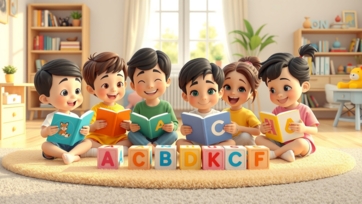
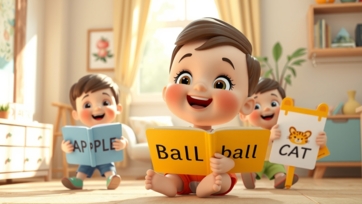
Pointing out letters in picture books
-
Naming letters on toys and blocks
-
Using soft or foam alphabet letters
Animated educational content on boobacartoon.com can help toddlers visually connect letters with sounds and characters.
Letter Recognition Activities for Preschoolers:
Preschoolers are ready for more structured letter practice.
Activities:
-
Matching uppercase and lowercase letters
-
Sorting letters by shape or color
-
Identifying the first letter of their name
-
Tracing letters with crayons or markers
These activities strengthen visual recognition and memory.
Hands-On Letter Recognition Activities:
Tactile learning helps children remember letters more effectively.
Ideas:
-
Form letters with playdough or clay
-
Write letters in sand, rice, or flour
-
Build letters using sticks, blocks, or strings
-
Use magnetic letters on the fridge
Hands-on learning improves fine motor skills and letter familiarity.
Letter Recognition Games for Fun Learning:
Games make learning letters exciting and stress-free.
Examples:
-
Letter scavenger hunt around the house
-
Alphabet bingo
-
“I Spy” letter games
-
Letter hopscotch
Game-based activities increase engagement and attention span.
Learning Letters Through Daily Activities:
Daily routines provide natural opportunities for letter recognition.
Ideas:
-
Reading letters on food packages
-
Spotting letters on street signs
-
Labeling toys and household items
-
Asking children to find letters in magazines
Real-life exposure helps children understand that letters are everywhere.
Letter Recognition Through Art and Crafts:
Creative activities make letter learning memorable.
Activities:
-
Decorating letters with stickers and colors
-
Making alphabet collages from magazines
-
Painting letters using sponges or brushes
-
Creating letter puppets or masks
Art-based learning boosts creativity and letter retention.
Using Books to Support Letter Recognition:
Books play a key role in early literacy development.
Best Practices:
-
Read alphabet books daily
-
Point to letters while reading
-
Ask children to identify familiar letters
-
Re-read favorite books often
Repetition builds confidence and recognition skills.
Digital Tools for Letter Recognition:
Digital resources can support learning when used wisely.
-
learn-kids.com – Interactive letter recognition games
-
keekan.com – Fun and adaptive alphabet activities
-
kidtoys.site – Educational toys that support letter learning
Digital tools should always complement hands-on and offline learning.
Tips for Teaching Letter Recognition:
-
Introduce only a few letters at a time
-
Repeat letters regularly
-
Focus on letter shapes before names
-
Use positive reinforcement
-
Avoid pressure or comparison
Consistency and encouragement are key to success.
Common Letter Recognition Challenges and Solutions:
Some children may take longer to recognize letters.
Solutions:
-
Use different learning styles
-
Repeat activities without stress
-
Focus on the child’s name letters first
-
Celebrate small achievements
Every child learns at their own pace.
Creating a Letter-Rich Learning Environment:
A supportive environment encourages daily learning.
Simple Steps:
-
Display alphabet charts at eye level
-
Keep letter books and toys accessible
-
Talk about letters during routines
-
Encourage curiosity and questions
A letter-rich environment supports continuous learning.
Final Thoughts:
Letter recognition activities for early learners are essential for building strong literacy foundations. By combining songs, games, hands-on activities, creative crafts, daily routines, books, and digital tools, parents and teachers can help children recognize letters with confidence and joy.
The goal is to make letter learning fun, natural, and engaging, setting the stage for successful reading and writing in the future.