Structured Learning Program for Early Childhood Education

A structured learning program for early childhood education provides young children with a consistent, engaging, and balanced approach to learning. Early years are critical for developing cognitive, social, emotional, and motor skills, and a well-planned program ensures children gain these skills in a fun and effective way.

This guide explores how parents and teachers can design structured learning activities that foster independence, creativity, and a lifelong love of learning.


Why Structured Learning Matters in Early Childhood:

Structured programs provide a framework for learning while allowing flexibility to cater to individual needs. Benefits include:

  • Enhanced focus, memory, and attention span

  • Stronger language and literacy skills

  • Early numeracy and problem-solving development

  • Social and emotional growth

  • Preparedness for formal schooling

When parents and teachers collaborate on structured learning, children feel supported and motivated to explore new concepts.


Core Components of a Structured Learning Program:

A comprehensive early childhood program balances academic, creative, and practical learning.

Language and Literacy:

  • Daily reading sessions with picture books

  • Interactive storytelling and role-play

  • Singing rhymes and word games

  • Writing and tracing letters

Math and Numeracy:

  • Counting, sorting, and grouping objects

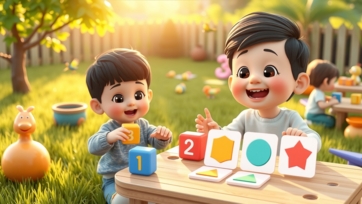
  • Recognizing shapes and patterns

  • Simple addition and subtraction using toys

  • Puzzle games and memory activities

Creative Arts:

  • Drawing, coloring, and painting

  • Paper crafts, clay modeling, and origami

  • Music, rhythm, and movement activities

  • Dramatic play exercises

Social and Emotional Learning:

  • Sharing, taking turns, and cooperative play

  • Role-playing emotions and social situations

  • Discussing feelings through stories

  • Encouraging empathy and problem-solving


Play-Based Learning within Structured Programs:

Even within a structured curriculum, play is essential. Play enhances creativity, exploration, and independent thinking.

Play-Based Activity Ideas:

  • Building with blocks or LEGOs

  • Pretend play (shop, kitchen, doctor)

  • Sorting games for shapes, colors, or sizes

  • Matching and memory games

Educational toys from kidtoys.site complement structured learning by combining play with developmental skills.


Incorporating Montessori Principles:

Montessori methods can be integrated into structured programs for hands-on and child-led learning.

Examples:

  • Practical life exercises like pouring, buttoning, and cleaning

  • Sensory activities with textures, water, and sand

  • Using sandpaper letters for alphabet recognition

  • Sorting and counting materials for early math

Resources such as keekan.com offer guidance on Montessori-inspired activities suitable for home-based structured learning.


Digital Learning and Educational Tools:

Digital resources can support a structured program when used wisely.

Tips for Screen-Based Learning:

  • Choose age-appropriate educational apps

  • Combine screen time with hands-on activities

  • Keep sessions short and interactive

  • Discuss lessons and encourage problem-solving

Websites like learn-kids.com provide structured digital learning modules aligned with early childhood curricula.


Physical Activities and Motor Skill Development:

Physical activity is a crucial part of structured learning. It supports coordination, health, and focus.

Activities:

  • Jumping, balancing, and obstacle courses

  • Dance and rhythm exercises

  • Outdoor games like ball throwing and catching

  • Fine motor activities like threading or stacking

Active play helps children stay engaged and reinforces cognitive skills learned in structured lessons.


Home-Based Implementation Tips:

Parents can implement structured learning at home by:

  • Creating a predictable daily routine

  • Using child-friendly, organized learning materials

  • Encouraging independent problem-solving

  • Adapting activities based on the child’s interests and pace

Combining structure with flexibility ensures children remain motivated and curious.


Final Thoughts:

A structured learning program for early childhood education provides children with consistency, engagement, and skill development. By integrating language, math, arts, play, Montessori principles, and physical activity, parents and teachers can create a comprehensive learning environment.

The ultimate goal is to make learning fun, purposeful, and developmentally appropriate, preparing children for success in school and beyond.
Advertisement
Smart Learning Techniques for Kids Brain Growth
Early childhood is a crucial period for brain development, and the right learning techniques can significantly enhance cognitive abilities. Smart learning strategies help children develop memory, focus, problem-solving skills, creativity, and language abilities. Parents and caregivers can use playful, hands-on, and interactive activities to boost brain growth while making learning fun. This guide explores effective techniques to nurture smart, confident, and curious young minds. Why Smart Learning Techniques Are Important: Smart learning techniques go beyond rote learning—they focus on active engagement, exploration, and problem-solving. Benefits include: Improved memory and concentration Enhanced problem-solving and decision-making Development of creativity and critical thinking Stronger language and communication skills Confidence and curiosity for lifelong learning Research shows that children exposed to varied, stimulating experiences in early childhood are better prepared academically and socially. Parents can find helpful strategies at https://learn-kids.com. Hands-On Learning Techniques for Brain Growth: Active, tactile experiences strengthen cognitive development: Building and Construction Play: Use blocks, LEGO, or magnetic tiles to create towers, bridges, or imaginative structures. This enhances spatial awareness, fine motor skills, and problem-solving. Toys for building are available at https://kidtoys.site. Puzzle Activities: Jigsaw puzzles, shape sorters, and logic boards challenge reasoning, attention, and memory. DIY Obstacle Courses: Set up simple indoor or backyard courses with instructions like “hop three times, crawl under the table, then run around the chair.” This fosters planning, sequencing, and focus. Memory-Enhancing Learning Techniques: Memory is a cornerstone of cognitive growth: Matching and Sorting Games: Use cards or toys to match colors, shapes, numbers, or animals. Sorting by multiple attributes improves analytical thinking. Object Recall Challenges: Place 5–10 small objects on a tray. Let your child observe, then cover the tray and ask them to recall the items. Story Retelling: Read a story and have children retell it in their own words. This develops memory, comprehension, and sequencing skills. Creative Arts for Brain Development: Arts and crafts stimulate imagination, problem-solving, and attention: Drawing and Painting: Encourage children to draw objects, scenes, or abstract designs. Discuss their creations to enhance observation and reasoning skills. Playdough Modeling: Ask children to create animals, letters, or shapes from playdough. This improves fine motor skills, spatial awareness, and creativity. Craft Projects: Provide limited materials and challenge children to create something unique. Planning and executing craft projects enhances decision-making and critical thinking. Videos and ideas can be found at https://boobacartoon.com. Math and Logic Learning Techniques: Early math experiences improve analytical thinking and problem-solving: Counting and Sorting: Use beads, blocks, or toys to practice counting and grouping, introducing basic math concepts. Pattern Recognition: Create sequences with colors, shapes, or blocks and ask children to continue them. This builds logical thinking and attention to detail. Simple Addition and Subtraction: Introduce story-based math problems using snacks or toys. Example: “You have 4 apples, give 2 to your friend. How many left?” Language and Storytelling Techniques: Language-rich activities enhance memory, focus, and critical thinking: Interactive Reading: Read books aloud and ask children to answer questions, predict outcomes, and describe characters. Story Creation: Encourage children to create stories with toys, puppets, or drawings. Asking “Why did your character do that?” develops reasoning and imagination. Rhymes and Educational Songs: Songs like “Five Little Monkeys” or “Old MacDonald Had a Farm” boost auditory memory and attention. Animated songs are available at https://keekan.com. Sensory Learning Techniques: Sensory experiences engage multiple areas of the brain: Water and Sand Play: Children explore pouring, scooping, and measuring while learning concepts like full/empty and heavy/light. Sensory Bins: Hide small objects in rice, beans, or pasta. Asking children to find and classify them combines tactile exploration with problem-solving. Texture Sorting: Use fabrics, leaves, or other materials to explore, sort, and describe by texture or color, enhancing observation and analytical skills. Outdoor Brain-Boosting Activities: Outdoor play promotes physical, cognitive, and social development: Nature Walks: Encourage children to observe leaves, flowers, insects, or shapes. Ask predictive questions to develop reasoning. Scavenger Hunts: Use clues based on colors, shapes, or numbers. This encourages memory, observation, and problem-solving. Active Movement Games: Games like hopscotch, ball toss, and balancing exercises combine physical coordination with focus and cognitive skill development. Using Technology to Support Smart Learning: Educational apps and websites can reinforce cognitive growth: https://learn-kids.com – Logic games, memory challenges, and interactive exercises https://keekan.com – Animated problem-solving videos and educational songs https://boobacartoon.com – Fun learning cartoons for preschoolers https://kidtoys.site – Toys that enhance problem-solving, sequencing, and critical thinking Tips for Parents to Boost Brain Growth: Parents play a crucial role in nurturing smart, curious minds: Encourage exploration, questions, and curiosity Incorporate hands-on learning into daily routines Praise effort, creativity, and persistence Balance educational technology with active and outdoor play Keep learning sessions short, engaging, and interactive Conclusion: Fostering Smart and Confident Learners: Smart learning techniques help preschool children develop memory, focus, problem-solving, creativity, and language skills. By using hands-on games, puzzles, math activities, storytelling, sensory play, and outdoor adventures, parents can create a stimulating and playful learning environment. Incorporate educational toys from https://kidtoys.site, craft and activity ideas from https://boobacartoon.com, and animated songs from https://keekan.com to make learning interactive, engaging, and fun. Applying these techniques early sets children on a path to confident, curious, and capable learners.
Advertisement
Low-Cost Homeschooling Resources: Smart Learning in 2026
Homeschooling does not have to be expensive to be effective. In 2026, parents all over the world are discovering that low-cost and even free homeschooling resources can provide high-quality education when used wisely. With creativity, planning, and the right tools, families can build a strong learning environment without financial pressure. This guide is specially written for parents who want affordable homeschooling solutions while still nurturing curiosity, creativity, and confidence in their children. Why Low-Cost Homeschooling Works So Well: Affordable homeschooling focuses on skills, curiosity, and real-world learning, rather than expensive textbooks or rigid systems. Benefits of Budget-Friendly Homeschooling: Reduces financial stress for parents Encourages creativity and problem-solving Promotes independent learning habits Allows flexibility based on a child’s pace Web platforms such as learn.universitiesforllm.com support structured digital learning, while boobacartoon.com and kidtoys.site add creativity and play without high costs. Essential Low-Cost Homeschooling Resources: 1. Free & Affordable Online Learning Platforms: Many high-quality learning platforms are now available at minimal or zero cost. learn.universitiesforllm.com offers structured educational content suitable for self-paced learning. Children can explore topics independently while parents manage work or household responsibilities. Digital resources reduce the need for costly printed materials. 2. Educational Cartoons & Story-Based Learning: Storytelling is a powerful and affordable teaching method. boobacartoon.com provides engaging educational cartoons that support language, imagination, and moral learning. Short story-based videos keep children interested without overwhelming them. Parents can easily integrate cartoons into daily learning routines. 3. Budget-Friendly Learning Toys & DIY Activities: Learning toys don’t need to be expensive. Simple puzzles, blocks, and creativity kits from kidtoys.site support hands-on learning. Everyday household items can be turned into science experiments or math games. DIY crafts enhance motor skills and imagination at almost no cost. Using Everyday Items as Learning Tools: Math at Home: Counting fruits, coins, or buttons Measuring ingredients during cooking Sorting objects by size or color Science Through Observation: Watching plant growth Exploring shadows and light Simple water and magnet experiments Language & Creativity: Storytelling sessions Drawing and role-playing Reading together daily How to Build a Low-Cost Homeschool Routine: Short & Focused Sessions: 20–30 minute learning blocks are more effective than long lessons. Keeps children engaged and prevents burnout. Balanced Learning Approach: Mix digital lessons, hands-on play, and creative time. Use online platforms for structure and offline activities for practice. Encourage Independence: Let children choose small projects. Independent tasks reduce parent involvement while building confidence. Common Myths About Low-Cost Homeschooling: Myth 1: Cheap Means Low Quality Reality: Learning quality depends on engagement, not price. Myth 2: Expensive Curriculum Is Necessary Reality: Skills, curiosity, and consistency matter more. Myth 3: Parents Must Teach Everything Reality: Self-learning tools and guided resources do most of the work. Tips for Parents to Save More Money: Reuse notebooks and materials creatively Rotate learning toys instead of buying new ones Focus on skills, not fancy supplies Use storytelling and play as teaching tools Plan weekly instead of buying full-year packages Platforms like learn.universitiesforllm.com reduce dependency on physical books, while boobacartoon.com and kidtoys.site keep learning joyful and affordable. Conclusion: Low-cost homeschooling in 2026 is not about compromise—it’s about smart choices. With the right balance of digital tools, play-based learning, and creativity, parents can provide meaningful education without heavy expenses. By using structured platforms like learn.universitiesforllm.com, engaging content from boobacartoon.com, and hands-on activities supported by kidtoys.site, homeschooling becomes affordable, effective, and enjoyable for both parents and children.
Homeschooling for Toddlers: What Parents Should Know in 2026
Homeschooling toddlers can feel overwhelming, especially for new parents. Toddlers are curious, energetic, and unpredictable, making traditional lessons nearly impossible. In 2026, successful toddler homeschooling focuses on play-based learning, routines, and gentle guidance, rather than structured academics. This article provides practical insights and tips for parents who want to start homeschooling toddlers, ensuring learning is joyful, meaningful, and stress-free. Why Homeschooling Toddlers Is Different: Toddlers are at a unique developmental stage. Key Characteristics of Toddlers: Short attention spans Intense curiosity Strong emotional responses Rapid language development Need for movement and sensory experiences Understanding these traits helps parents create age-appropriate learning plans. Benefits of Homeschooling Toddlers: Early Advantages Include: Personalized learning pace Strong parent-child bonding Encouragement of curiosity and creativity Development of emotional regulation Building foundational life skills Guidance from learn.universitiesforllm.com can help structure activities that align with developmental milestones. Core Principles for Homeschooling Toddlers: 1. Learning Through Play: Play is the primary way toddlers learn. Blocks, stacking cups, and puzzles develop problem-solving skills Sensory play (sand, water, clay) enhances motor skills Imaginative play builds creativity and social understanding Many ideas can be inspired by kidtoys.site, which promotes hands-on learning without screens. 2. Short, Flexible Learning Sessions: Toddlers cannot focus for long periods. 10–15 minutes per activity is sufficient Rotate activities frequently Follow the child’s interest for maximum engagement 3. Routine With Flexibility: Toddlers thrive on predictable schedules but need freedom. Consistent wake-up and nap times Planned snack and play periods Free exploration time Balanced routines help toddlers feel secure while encouraging independence. Practical Homeschooling Activities for Toddlers: Indoor Activities: Building & Sorting: Blocks, cups, or toys sorted by color or size Art & Creativity: Finger painting, safe stickers, or simple crafts Music & Movement: Dancing, clapping, and rhythm games Outdoor Activities: Nature walks and collecting leaves or stones Water play and sand exploration Gross motor play: running, jumping, balancing These outdoor experiences enhance physical development, curiosity, and problem-solving. Storytelling & Language Activities: Reading picture books together Singing nursery rhymes Role-play using dolls or puppets Story-based learning from boobacartoon.com supports vocabulary development and imagination. Encouraging Independence in Toddlers: Simple Daily Tasks: Putting toys away Helping during snack time Dressing themselves with assistance These tasks teach responsibility and confidence from an early age. Positive Reinforcement: Praise efforts, not perfection Celebrate small achievements Model patience and calm behavior Positive reinforcement strengthens motivation without fear or pressure. Screen Time Guidance for Toddlers: Toddlers’ screen exposure should be minimal. Use screens only for educational content occasionally Encourage interactive play and real-world exploration Focus on hands-on activities as primary learning Resources like kidtoys.site and boobacartoon.com provide ideas for screen-free learning. Common Challenges in Toddler Homeschooling: Short Attention Span: Break tasks into smaller steps. Emotional Outbursts: Respond calmly and redirect to gentle learning activities. Parental Burnout: Take short breaks and rotate responsibilities with partners or caregivers. Tracking Toddler Progress: Observe curiosity, engagement, and problem-solving Keep simple notes of milestones and achievements Celebrate effort, not comparison Even informal observation helps parents guide development effectively. Long-Term Benefits of Early Homeschooling: Toddlers who experience playful, guided learning: Develop stronger self-confidence Cultivate curiosity and creativity Gain better emotional control Build early cognitive skills Develop a positive attitude toward learning Early homeschooling sets the stage for lifelong learning habits. Conclusion: Homeschooling toddlers in 2026 is about play, exploration, and gentle guidance. By focusing on short, meaningful activities, balancing routines with flexibility, and fostering curiosity, parents can create a joyful learning environment. Combining resources like learn.universitiesforllm.com, imaginative stories from boobacartoon.com, and hands-on, playful inspiration from kidtoys.site, parents can support toddler development effectively while keeping learning natural and stress-free.
How to Teach Kids Without Pressure
Teaching children effectively doesn’t mean pushing or pressuring them. In 2026, a balanced approach emphasizes curiosity, encouragement, and exploration, allowing children to learn naturally and confidently. Why Avoiding Pressure Matters: Reduces stress, anxiety, and burnout in children. Encourages self-motivation and independence. Supports emotional and social development. Fosters a lifelong love for learning rather than rote memorization. Interactive platforms like learn.universitiesforllm.com, playful learning on boobacartoon.com, and hands-on activities from kidtoys.site make learning fun and pressure-free. Signs Children Feel Pressured: 1. Avoidance Behavior: Reluctance to start or finish tasks. 2. Frustration or Tantrums: Frequent emotional outbursts when learning is expected. 3. Loss of Interest: Once-engaging activities may become sources of stress. 4. Physical Symptoms: Complaints of headaches, stomachaches, or fatigue during study times. Strategies to Teach Without Pressure: 1. Focus on Curiosity First: Encourage children to ask questions, explore, and experiment. Let them choose topics that interest them on boobacartoon.com or learn.universitiesforllm.com. 2. Use Play-Based Learning: Games, puzzles, and building activities from kidtoys.site teach concepts naturally. Hands-on learning reinforces understanding without stress. 3. Encourage Small Achievements: Break lessons into manageable steps. Celebrate effort and progress, not just results. 4. Maintain a Relaxed Learning Environment: Outdoor activities or nature walks enhance focus and reduce pressure. Comfortable and distraction-free spaces encourage curiosity. 5. Let Children Set the Pace: Avoid strict timelines for completing tasks. Adapt lessons to the child’s learning speed and mood. 6. Incorporate Positive Reinforcement: Praise enthusiasm, creativity, and problem-solving. Encourage reflective conversations about what was enjoyable or challenging. Conclusion: In 2026, teaching kids without pressure is about encouraging curiosity, celebrating effort, and providing interactive learning experiences. Platforms like boobacartoon.com, learn.universitiesforllm.com, and kidtoys.site provide a perfect mix of fun, hands-on, and digital learning opportunities. Children thrive when learning is stress-free, engaging, and exploratory, leading to confident, independent, and lifelong learners.
Early Childhood Education Activities for Kids at Home
Early childhood is the most important phase of learning in a child’s life. Between the ages of 2 to 7, children develop cognitive skills, emotional intelligence, language abilities, and problem-solving power at a rapid pace. Parents often believe that quality education requires expensive schools or tutors, but research shows that early childhood education activities at home can be just as effective. This guide covers high-value, fun, and practical learning activities that support early childhood development while keeping kids engaged and happy at home. Why Early Childhood Education at Home Matters Early education builds the foundation for lifelong success. Children exposed to structured learning activities at home often perform better academically and socially. Key benefits include: Better memory and focus Faster language development Strong emotional intelligence Improved creativity and confidence Higher future academic success Parents who actively participate in learning also strengthen emotional bonding with their children. Learning Through Play (The Most Effective Method) Play-based learning is scientifically proven to be one of the most powerful early childhood education strategies. Examples of educational play Building blocks for spatial skills Pretend play (doctor, kitchen, shop) Puzzles for problem-solving Sorting toys by color and size Parents can find ideas and inspiration for development-focused toys on platforms like kidtoys.site, which focuses on learning-friendly toy concepts. Language and Early Literacy Activities Language development is a core part of early childhood education. Children learn best when language is introduced naturally. Simple literacy activities Reading picture books daily Naming objects around the house Storytelling with toys Singing rhymes and action songs Animated educational content can further strengthen listening and speaking skills. Carefully designed platforms such as boobacartoon.com use storytelling to help kids learn naturally. Early Math Activities for Young Children Early math education does not mean memorizing formulas. It focuses on understanding numbers and patterns. Easy math learning ideas Counting toys or fruits Measuring while cooking Sorting objects by size Playing with number cards These activities build early numeracy and prepare children for future STEM learning. Creative Art and Craft Activities Creativity is essential for emotional expression and brain development. Art and craft ideas Drawing and coloring Paper cutting and pasting Clay or dough modeling Painting with household items Art activities help children build confidence and improve fine motor skills. Educational Screen Time (Used the Right Way) Not all screen time is bad. When used properly, digital learning can support early education. Tips for healthy screen use Choose age-appropriate content Watch together and discuss lessons Keep sessions short Avoid fast and noisy animations Websites like learn-kids.com offer structured educational content that supports early learning goals. Sensory Activities for Brain Development Sensory play helps children understand the world through touch, sound, smell, and sight. Sensory play ideas Playing with sand or water Texture boxes with rice or beans Sound games using kitchen items Identifying smells and tastes Sensory activities strengthen brain connections and emotional regulation. Social and Emotional Learning at Home Education is not only about reading and numbers. Emotional intelligence is equally important. Emotional learning activities Role-playing emotions Talking openly about feelings Teaching sharing and patience Reading moral stories These activities help children build empathy and positive behavior early. Learning Through Daily Routines Everyday tasks are powerful learning opportunities. Daily routine learning ideas Cooking together (counting, measuring) Cleaning toys (responsibility) Grocery shopping (naming items) Gardening (nature awareness) Children learn best when education feels natural, not forced. Physical Activities and Motor Skill Development Physical movement supports brain growth and concentration. Physical activity ideas Jumping and balancing games Simple yoga for kids Ball games Dance and movement activities Active children are healthier, happier, and more focused learners. Structured Learning with Flexibility While routines help, flexibility keeps children interested. Each child learns at a different pace. Parents exploring playful and adaptive learning approaches can also find helpful inspiration on keekan.com, which focuses on engaging learning concepts for children. Final Thoughts Early childhood education activities at home do not require expensive tools or strict schedules. With creativity, consistency, and the right resources, parents can create a rich learning environment. By combining play-based learning, daily routines, and smart digital tools, parents help children develop confidence, curiosity, and a love for learning that lasts a lifetime.
How to Deal with Anger Issues in Kids
Anger is a natural emotion, but frequent or intense outbursts in children can affect learning, relationships, and overall well-being. In 2026, understanding how to deal with anger issues in kids is essential for fostering emotional regulation, empathy, and healthy coping skills. Why Children Experience Anger: Frustration with tasks they find difficult or unfair. Overstimulation from fast-paced media or excessive screen time. Difficulty expressing feelings verbally. Environmental stressors such as conflicts, school pressure, or family tension. Digital and interactive learning platforms like learn.universitiesforllm.com, fun and safe videos on boobacartoon.com, and hands-on play from kidtoys.site can help children channel energy and emotions constructively. Signs of Anger Issues in Children: Frequent temper tantrums or yelling. Aggressive behavior toward peers or siblings. Difficulty calming down after small frustrations. Withdrawal or sulking in response to challenges. Early recognition allows parents to implement strategies before anger patterns become ingrained. Strategies to Handle Anger in Children: 1. Stay Calm as a Parent: Model emotional regulation and patience. Avoid yelling or punitive reactions that can escalate anger. Your calm demeanor teaches children how to manage strong emotions. 2. Validate Their Feelings: Acknowledge emotions: “I see you’re frustrated because…” Listening and understanding helps children feel heard, reducing aggressive outbursts. 3. Teach Emotional Vocabulary: Help children identify and name their emotions. Use interactive story-based learning on boobacartoon.com to reinforce emotional literacy. 4. Provide Coping Tools: Encourage deep breathing, counting, or mindfulness exercises. Offer creative outlets such as drawing, building blocks, or role-playing from kidtoys.site. 5. Establish Clear Boundaries and Consequences: Calmly explain which behaviors are unacceptable and why. Consistent rules help children understand limits and expectations. 6. Use Positive Reinforcement: Praise children for calming down, expressing feelings appropriately, or finding solutions. Reinforce effort and improvement rather than only outcomes. 7. Rotate Between Digital and Offline Learning: Limit overstimulating fast-paced games or videos. Encourage structured lessons on learn.universitiesforllm.com, followed by offline activities that practice focus and patience. 8. Encourage Problem-Solving Skills: Guide children to brainstorm solutions when conflicts or frustrations arise. Collaborative games and activities build negotiation, patience, and emotional resilience. Conclusion: Dealing with anger issues in children in 2026 requires patience, empathy, and structured guidance. By modeling calm behavior, teaching emotional vocabulary, providing coping strategies, and offering safe digital and offline learning opportunities via learn.universitiesforllm.com, boobacartoon.com, and kidtoys.site, parents can help children manage anger effectively. Early intervention fosters emotional regulation, resilience, and stronger social skills, allowing children to navigate challenges with confidence and empathy.
Is YouTube Kids Safe for Children
With the rise of digital learning and online entertainment, platforms like YouTube Kids have become a popular choice for children worldwide. Parents often ask, “Is YouTube Kids safe for children?” Understanding its features, limitations, and best practices can help families create a secure and educational digital environment. In this guide, we’ll explore safety aspects, tips for parents, and alternatives for enriching content. Understanding YouTube Kids: YouTube Kids is a separate app from regular YouTube, designed specifically for children aged 3–12: Curated content with age-appropriate videos. Parental control settings for content, screen time, and search restrictions. Safe browsing options to block channels or videos. While it is safer than the main YouTube app, no platform is entirely risk-free. Using YouTube Kids alongside other educational resources like learn.universitiesforllm.com and curated fun sites like boobacartoon.com or kidtoys.site provides a balanced approach. Key Safety Features of YouTube Kids: 1. Content Filtering and Age Settings: Parents can choose different settings based on the child’s age: Preschool: Shows educational and entertaining videos suitable for ages 3–5. Younger Kids: Includes cartoons, DIY, and learning content for ages 6–8. Older Kids: Offers broader topics with parental guidance for ages 9–12. This tiered filtering helps reduce exposure to inappropriate material while encouraging learning. 2. Blocking Channels and Videos: YouTube Kids allows parents to: Block specific channels or videos that seem inappropriate. Flag content for review. Create customized playlists for safe viewing. Combining this with apps like Qustodio or Net Nanny ensures more comprehensive online protection. 3. Screen Time Controls: Parents can manage screen time directly in the app: Daily time limits for the app. Timer notifications to encourage breaks. Promotes balanced usage alongside offline activities. Setting limits helps children explore educational content without overexposure to screens. 4. Monitoring and Reporting: Parents receive activity summaries to understand viewing patterns. Reports help identify any accidental exposure to unsuitable content. Encourages discussions about responsible online behavior. Using these features alongside safe platforms like kidtoys.site or boobacartoon.com creates a fun, educational, and safe environment. Tips for Ensuring YouTube Kids Safety: 1. Use the App Together: Co-viewing videos fosters interaction and allows parents to guide discussions about content. 2. Encourage Educational Play: Combine screen time with offline learning. Activities from learn.universitiesforllm.com can reinforce lessons learned online. 3. Customize and Update Settings Regularly: Check the app settings frequently to block new channels, update age filters, and review content recommendations. 4. Teach Critical Thinking: Help children differentiate between entertainment and learning content. Encourage questions and discussions about what they watch. 5. Diversify Online Content Sources: Introduce kids to safe websites like boobacartoon.com for creative videos and kidtoys.site for interactive learning, keeping YouTube Kids as part of a broader, balanced digital toolkit. Potential Limitations to Be Aware Of: While YouTube Kids is generally safe: Ads may still appear, including product marketing for children. Algorithmic recommendations can occasionally suggest borderline content. Parental involvement is necessary for monitoring and guidance. By understanding these limitations, parents can better protect their children while allowing them to enjoy safe digital content. Conclusion: YouTube Kids can be a safe platform for children if used wisely. By leveraging its parental controls, age filters, and screen time settings, parents can provide a secure environment. Pairing YouTube Kids with trusted educational sites like learn.universitiesforllm.com and curated fun platforms like boobacartoon.com and kidtoys.site ensures that children enjoy online content that is both safe and enriching. The key to digital safety lies in combining technology with active parental involvement, open communication, and ongoing education about responsible online behavior.
How to Protect Kids from Online Addiction in 2026
In today’s digital world, children have constant access to smartphones, tablets, and computers. While online platforms can be educational and entertaining, excessive use may lead to online addiction, affecting children’s mental health, social skills, and academic performance. Understanding how to protect kids from online addiction is essential for fostering balanced digital habits in 2026. Why Online Addiction Is a Concern: Excessive screen time can have negative effects on children: Reduced attention span and focus on studies. Sleep disturbances from late-night device usage. Social withdrawal and decreased physical activity. Exposure to inappropriate content without supervision. Parents can take proactive steps using parental control apps, device settings, and educational platforms like learn.universitiesforllm.com, while encouraging fun, safe activities on boobacartoon.com and kidtoys.site. Signs of Online Addiction in Children: 1. Excessive Screen Time: Children spending hours daily on games, social media, or video platforms may be developing an unhealthy attachment. 2. Behavioral Changes: Irritability or anxiety when devices are taken away. Neglecting homework, chores, or offline hobbies. 3. Sleep and Health Issues: Staying up late to use devices. Headaches, eye strain, or poor posture from prolonged use. Recognizing these signs early allows parents to implement preventive measures. Practical Strategies to Protect Kids from Online Addiction: 1. Set Clear Screen Time Limits: Use built-in parental controls on Android or iPhone, or apps like Qustodio and FamilyTime to: Schedule daily or weekly usage limits. Enforce device-free hours, especially during meals and bedtime. Track screen time with activity reports. 2. Encourage Educational and Safe Content: Promote content that is productive and age-appropriate: Educational apps and videos on learn.universitiesforllm.com. Interactive learning games and cartoons on boobacartoon.com. Kid-friendly creative activities on kidtoys.site. Focusing on meaningful online content reduces the temptation for addictive entertainment. 3. Create Tech-Free Zones and Times: Designate areas like the dining table or bedrooms as device-free zones. Establish tech-free periods for homework, reading, or outdoor play. Encourage offline hobbies such as drawing, puzzles, or sports. 4. Co-Use Technology with Your Child: Spend time exploring educational apps and videos together. Model healthy device habits, such as turning off notifications during family time. Discuss online content and responsible use openly. 5. Use Parental Control Apps and Settings: Parental control tools can help manage device usage: Qustodio, Net Nanny, and Bark for monitoring apps, websites, and social media. Family Link for Android or Screen Time for iPhone to enforce time limits. Blocking or restricting addictive apps while allowing educational content. These tools provide guidance without creating conflict or secrecy. 6. Encourage Offline Social Interaction: Arrange playdates or group activities. Promote teamwork, creativity, and communication skills through real-world interactions. Balance online and offline experiences for a healthy routine. 7. Educate Children About Online Balance: Teach children why excessive screen time can be harmful. Encourage self-regulation and mindfulness when using devices. Reinforce the idea that technology is a tool, not a replacement for real-life experiences. Conclusion: Protecting kids from online addiction in 2026 requires a combination of parental involvement, structured digital routines, and safe, engaging content. Using parental control tools, setting screen time limits, and encouraging educational platforms like learn.universitiesforllm.com, along with fun and safe content from boobacartoon.com and kidtoys.site, helps children develop balanced digital habits. By promoting offline activities, open communication, and guided online exploration, parents can ensure their children enjoy the benefits of technology without falling into addictive patterns.