Best YouTube Channels for Kids Learning

In 2025, YouTube has become one of the most popular platforms for children’s learning. Parents are constantly searching for safe, educational, and engaging channels that combine fun with learning. With the right YouTube channels, children can improve their language, math, science, creativity, and social skills while enjoying colorful, interactive content.

High-quality YouTube channels for kids provide age-appropriate lessons, storytelling, songs, and hands-on activities. These channels help children learn faster and retain knowledge in an enjoyable way.


Why YouTube Channels Are Effective Learning Tools for Kids:

YouTube channels are effective because they:

  • Offer visual and auditory learning through animations, music, and narration

  • Teach concepts in a fun, interactive manner

  • Allow children to revisit lessons repeatedly for better retention

  • Introduce new ideas and knowledge in an entertaining format

  • Encourage active engagement through songs, quizzes, and DIY projects

Parents who carefully choose channels can ensure safe, productive screen time for children.


Top Categories of Learning Channels:

Language and Literacy Channels:

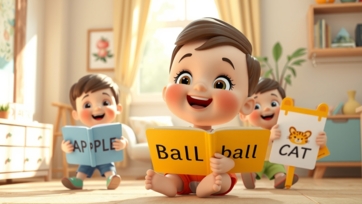
Channels like ABCmouse, StoryBots, and Pinkfong teach letters, phonics, reading, and new vocabulary. Children learn pronunciation, word recognition, and storytelling skills while being entertained.

Math and Numbers Channels:

Channels such as Numberblocks and Khan Academy Kids help children understand counting, addition, subtraction, and basic math concepts through songs, animations, and interactive exercises.

Science and Exploration Channels:

Shows like Blippi and Peekaboo Kidz introduce children to animals, nature, simple experiments, and real-world science concepts. These channels encourage curiosity and critical thinking.

Creative and Arts Channels:

Channels like Art for Kids Hub and Creative Kids guide children in drawing, painting, crafts, and other creative activities, boosting imagination and fine motor skills.

Social and Emotional Learning Channels:

Channels such as Daniel Tiger’s Neighborhood teach empathy, problem-solving, sharing, and emotional understanding. Children learn social skills in fun, relatable scenarios.


How YouTube Channels Help Children Learn Faster:

Visual and Auditory Learning:

Animations, music, and narration reinforce memory and understanding. Kids grasp abstract concepts more easily through visual storytelling.

Repetition and Practice:

Many educational channels repeat concepts in songs or stories, allowing children to remember words, numbers, and ideas naturally.

Engagement and Motivation:

Fun characters, colorful visuals, and interactive elements keep children motivated to learn and explore more content.

Flexible Learning:

Children can learn at their own pace, replay favorite videos, and explore topics of interest, making learning personalized and effective.


Tips for Parents to Choose the Best Learning Channels:

Ensure Age-Appropriate Content:

Select channels suitable for toddlers, preschoolers, or school-age children to avoid exposure to content that may be too complex or inappropriate.

Check Educational Value:

Choose channels with clear learning goals, whether it’s language, math, science, or social skills.

Limit Screen Time:

Even educational content should be limited to 1–2 hours per day, combining YouTube learning with offline activities and play.

Engage With Your Child:

Watch videos together and discuss lessons. Ask questions, repeat songs, or encourage children to act out concepts.

Look for Interactive Features:

Channels with quizzes, DIY activities, or sing-alongs enhance learning and retention.


Benefits of Using Educational YouTube Channels:

  • Improved language and reading skills

  • Enhanced math and problem-solving abilities

  • Increased creativity and imagination

  • Better understanding of science and the world

  • Stronger social and emotional skills

  • Safe and engaging screen time for children


Popular Recommended Channels in 2025:

  • ABCmouse: Comprehensive learning programs for toddlers and preschoolers

  • StoryBots: Fun songs and stories teaching letters, numbers, and facts

  • Pinkfong: Nursery rhymes and early learning content for young children

  • Numberblocks: Math-focused animations teaching numbers and counting

  • Blippi: Real-world exploration and fun educational activities

  • Art for Kids Hub: Step-by-step drawing and art tutorials for kids

  • Daniel Tiger’s Neighborhood: Emotional intelligence and social skills learning


Conclusion:

YouTube channels for kids are a powerful tool to enhance learning in 2025. By carefully selecting high-quality, age-appropriate channels, parents can help children develop language, math, science, creativity, and social skills in an enjoyable and interactive way. Combining screen time with active engagement ensures children learn faster, retain knowledge better, and enjoy a safe, productive digital learning experience.
Advertisement
How to Teach Numbers to Preschool Kids
Teaching preschool kids numbers is a crucial step in early childhood education. In 2025, parents are looking for fun, interactive, and hands-on methods to help children understand numbers, counting, and basic math concepts. With the right techniques, preschoolers can learn numbers naturally while playing, enhancing memory, problem-solving, and logical thinking. Number learning at home allows parents to customize lessons based on the child’s pace and interests. Combining games, songs, and activities ensures that learning is engaging, effective, and enjoyable. Why Learning Numbers Is Important: Understanding numbers early provides preschoolers with key benefits: Cognitive Development: Recognizing numbers and counting strengthens memory, attention, and analytical skills. Early Math Skills: Learning numbers lays the foundation for addition, subtraction, and problem-solving. Language and Vocabulary: Counting activities introduce number words and concepts. Confidence: Successfully learning numbers boosts self-esteem and motivates further learning. Academic Readiness: Familiarity with numbers prepares children for kindergarten and school success. Parents who use playful, interactive methods find that children grasp numbers faster and enjoy learning. Top Methods to Teach Numbers: Counting Games: Use objects like blocks, toys, and fruits to help preschoolers practice counting. Games like “count the blocks” or “find 5 apples” make learning practical and enjoyable. Number Songs and Rhymes: Singing number songs helps children memorize numbers in order and understand quantity. Fun rhymes make learning engaging and improve auditory skills. Flashcards and Visual Aids: Colorful number cards, charts, and illustrated books connect numbers with objects. Visual aids reinforce recognition and comprehension. Hands-On Activities: Activities like clay number shaping, tracing, or arranging beads develop fine motor skills while reinforcing numerical concepts. Interactive Games and Puzzles: Games like number matching, board games, and puzzles encourage problem-solving and logical thinking while making learning active and fun. Tips for Parents to Teach Numbers Effectively: Start With Small Numbers: Introduce numbers 1–10 first, then gradually move to higher numbers. Use familiar objects to make counting meaningful. Use Multi-Sensory Techniques: Combine visual, auditory, and tactile learning to help children understand numbers thoroughly. Keep Learning Sessions Short: Preschoolers have short attention spans. 10–15 minutes daily of interactive practice is more effective than long sessions. Reinforce Numbers in Daily Life: Incorporate counting into daily routines, like counting stairs, toys, or snacks, to make learning practical. Celebrate Progress: Praise milestones and effort to motivate children and build confidence in learning numbers. Benefits of Learning Numbers for Preschoolers: Improved number recognition and counting skills Stronger cognitive, memory, and problem-solving abilities Enhanced early math readiness and logical thinking Better language and numerical vocabulary Increased confidence and motivation for learning Hands-on development of fine and gross motor skills Conclusion: Teaching preschool kids numbers is fun, interactive, and essential for early math readiness. By using counting games, number songs, flashcards, hands-on activities, and interactive puzzles, parents can help children learn numbers, improve memory, and develop problem-solving skills naturally. A playful, multi-sensory approach ensures preschoolers enjoy learning while building a strong foundation for future math and academic success.
Advertisement
Skill-Based Learning Activities for Kids
Skill-based learning is a powerful approach for developing essential abilities in children. By focusing on specific skills like critical thinking, creativity, problem-solving, communication, and motor coordination, kids gain confidence and prepare for academic and real-life challenges. Through playful, hands-on, and interactive activities, parents and educators can make learning engaging while enhancing cognitive, social, and emotional growth. This guide provides practical skill-based learning activities suitable for preschool and early elementary children. Why Skill-Based Learning is Important: Skill-based learning focuses on developing abilities rather than rote memorization. Benefits for children include: Improved critical thinking and problem-solving skills Enhanced creativity and imagination Stronger language and communication abilities Better social and emotional development Increased confidence and independence in learning Websites like https://learn-kids.com emphasize the role of skill-based activities in fostering lifelong learning habits. Hands-On Skill Activities for Cognitive Growth: Tactile and interactive play promotes cognitive skills: Building and Construction Games: Use blocks, LEGO, or magnetic tiles to build towers, bridges, or imaginative structures. This develops spatial awareness, planning, and fine motor coordination. Check https://kidtoys.site for building toys. Puzzle Challenges: Jigsaw puzzles, shape sorters, and logic boards help children analyze, reason, and develop problem-solving skills. DIY Obstacle Courses: Create courses with simple instructions like “hop three times, crawl under the table, then spin around.” This enhances sequencing, focus, and decision-making abilities. Memory and Focus Activities: Memory and attention are core components of skill development: Matching and Sorting Games: Use cards, blocks, or toys to match colors, shapes, numbers, or animals. Discuss their reasoning to enhance analytical thinking. Observation Games: Play “I Spy” or ask children to spot differences in pictures or their surroundings, improving concentration and memory. Story Recall: Read short stories and ask children to retell them, focusing on problem-solving events and character decisions. Creative Skill Development: Creative activities foster imagination, flexibility, and problem-solving: Drawing and Coloring: Encourage children to draw letters, numbers, objects, or imaginative scenes. Discuss their creations to enhance observation and critical thinking. Playdough Modeling: Ask children to create animals, letters, or objects. This builds fine motor skills, spatial reasoning, and creativity. Craft Projects: Provide limited materials and ask children to make unique crafts, promoting planning, experimentation, and innovation. Activity ideas are available at https://boobacartoon.com. Math and Logic Skill Activities: Early math and logic activities enhance reasoning and problem-solving: Counting and Sorting Games: Use toys, beads, or snacks to count, group, and compare quantities, developing number sense. Pattern Recognition: Create sequences with blocks, shapes, or colors and ask children to continue them, improving logical thinking. Simple Story Problems: Use toys or snacks to introduce addition and subtraction. Example: “You have 5 apples and eat 2. How many left?” Language and Communication Activities: Language skills improve thinking, social interaction, and learning: Interactive Reading: Read books aloud and ask questions like “What do you think will happen next?” or “Why did the character make that choice?” Story Creation: Encourage children to invent stories using toys, puppets, or drawings. Discuss solutions to challenges in the story to build reasoning and creativity. Educational Songs and Rhymes: Use songs like “The Wheels on the Bus” or “Five Little Monkeys” to integrate rhythm, memory, and learning. Animated songs are available at https://keekan.com. Sensory Play for Skill Development: Sensory play stimulates multiple senses and promotes learning: Water and Sand Exploration: Children pour, scoop, and measure, learning about concepts like full/empty, heavy/light, and cause-effect. Sensory Bins: Hide objects in rice, beans, or pasta and ask children to find and sort them, combining tactile exploration with reasoning. Texture Sorting: Use fabrics, leaves, or natural items to explore, sort, and describe, enhancing observation, classification, and analytical skills. Outdoor Skill-Building Activities: Outdoor play integrates physical, cognitive, and social skill development: Nature Walks: Encourage children to observe plants, animals, or natural objects. Ask predictive questions to foster curiosity and reasoning. Scavenger Hunts: Create hunts with clues based on colors, shapes, or numbers, improving memory, observation, and problem-solving. Active Games: Hopscotch, ball toss, or balance exercises develop coordination, focus, and strategic thinking. Using Technology to Support Skill-Based Learning: Educational websites and apps complement hands-on activities: https://learn-kids.com – Brain games, logic challenges, and interactive skill-based exercises https://keekan.com – Animated songs and problem-solving videos https://boobacartoon.com – Interactive learning cartoons for preschoolers https://kidtoys.site – Toys that encourage problem-solving, sequencing, and critical thinking These resources make skill-based learning engaging while enhancing cognitive growth. Tips for Parents to Foster Skill Development: Encourage exploration, questions, and independent thinking Incorporate hands-on and play-based learning daily Praise creativity, effort, and persistence Balance screen-based learning with active, outdoor, and sensory play Keep activities fun, interactive, and age-appropriate Conclusion: Developing Smart and Confident Kids: Skill-based learning activities strengthen cognitive, social, and emotional skills in early learners. Engaging children in puzzles, memory games, math exercises, creative arts, sensory play, and outdoor challenges nurtures critical thinking, problem-solving, creativity, and confidence. Incorporate educational toys from https://kidtoys.site, craft activities from https://boobacartoon.com, and animated learning songs from https://keekan.com to make skill-based learning fun, interactive, and educational. Supporting children in developing essential skills early ensures they grow into capable, confident, and curious learners.
Parent-Approved Preschool Learning Activities
Parents play a crucial role in a child’s early education. Parent-approved preschool learning activities ensure that kids are learning effectively while having fun and staying safe. These activities focus on language, math, creativity, social-emotional development, and practical life skills. This guide provides trusted and easy-to-implement learning activities that parents can confidently use at home to support preschool education. Why Parent-Approved Activities Matter: When parents approve and participate in learning activities: Children feel supported and motivated Activities are safe, age-appropriate, and meaningful Learning aligns with the child’s daily routine and interests Early development goals are met consistently Parents can track progress and adapt strategies Parent engagement enhances both skill development and emotional confidence in children. Language and Literacy Activities: Language development is critical for preschoolers. Activities should be interactive and engaging. Ideas: Reading picture books together Storytelling using toys or props Singing rhymes and action songs Practicing letters and simple words through play Websites like boobacartoon.com can support literacy development through educational animations and interactive storytelling. Math and Number Sense Activities: Math skills can be developed through playful, hands-on experiences. Activities: Counting everyday objects like fruits, toys, or steps Sorting by color, shape, or size Simple addition and subtraction using blocks or beads Matching numbers with objects or number cards Hands-on math activities promote problem-solving and logical thinking from an early age. Creative Arts and Crafts: Creative activities improve imagination, fine motor skills, and self-expression. Ideas: Drawing, coloring, and painting Clay or playdough modeling Paper crafts, cutting, and pasting Music, dance, and rhythm activities Creative play encourages confidence and develops cognitive flexibility. Science and Exploration Activities: Encouraging curiosity and observation supports critical thinking. Activities: Planting seeds and watching them grow Simple experiments with water, ice, or magnets Collecting and classifying natural objects like leaves or rocks Observing insects, animals, or household phenomena Practical exploration develops analytical skills and a love for discovery. Sensory and Hands-On Learning Activities: Sensory activities enhance brain development and focus. Ideas: Playing with sand, rice, water, or beans Texture exploration with soft, rough, or smooth objects Sound games using household items Taste and smell identification with safe foods or fruits Sensory play supports cognitive growth and emotional regulation. Social and Emotional Learning Activities: Teaching children how to interact and understand emotions is key to holistic development. Ideas: Role-playing social situations Practicing sharing and cooperation Discussing feelings and moral stories Group games that encourage teamwork and patience Social-emotional learning helps children build empathy, confidence, and interpersonal skills. Physical Activities for Preschoolers: Physical play is essential for coordination, health, and brain development. Ideas: Jumping, balancing, and obstacle courses Dancing or following action songs Outdoor games like ball throwing or running Yoga or stretching for flexibility and focus Active play strengthens both fine and gross motor skills and promotes overall well-being. Using Educational Resources: Digital learning can complement hands-on activities when used wisely. learn-kids.com – Interactive lessons and educational games keekan.com – Creative and adaptive preschool activities kidtoys.site – Play-based learning tools for hands-on engagement Moderate, guided use of these resources enhances learning outcomes while keeping activities parent-approved. Tips for Parents: Keep activities age-appropriate and safe Mix structured learning with free play Follow the child’s interests and pace Encourage independence and self-correction Celebrate achievements and progress Parent involvement ensures children remain motivated and confident in their learning journey. Final Thoughts: Parent-approved preschool learning activities provide children with a safe, engaging, and effective learning environment. By combining language, math, creativity, sensory play, science, social-emotional skills, and physical activity, parents can nurture curiosity, confidence, and a lifelong love for learning. The goal is to make learning fun, developmentally appropriate, and meaningful, setting the stage for academic and personal success.
How Cartoons Help Children Learn Faster
Cartoons are not just a source of entertainment; in 2025, they have become a powerful tool for learning and development in children. Parents are increasingly realizing that high-quality educational cartoons can improve language, cognitive skills, creativity, and social-emotional intelligence. When used correctly, cartoons help children learn faster by combining visual storytelling, repetition, music, and engaging characters that capture attention while teaching essential skills. Educational cartoons for children support early learning by presenting concepts in a fun and memorable way. From learning numbers and letters to understanding teamwork and emotions, cartoons can significantly boost learning speed compared to traditional methods. Why Cartoons Are Effective Learning Tools for Kids: Children naturally learn through observation, imitation, and play. Cartoons leverage these natural learning processes by using: Visual storytelling: Bright colors, animated characters, and clear actions help children understand concepts easily. Repetition: Repeated songs, phrases, and sequences reinforce memory retention. Music and rhythm: Melodic tunes improve recall and make learning enjoyable. Engaging characters: Children relate to characters, which motivates learning and behavioral imitation. Research in 2025 shows that children who watch age-appropriate educational cartoons develop faster in areas like language acquisition, math comprehension, and problem-solving skills. Types of Learning Cartoons That Boost Development: Early Literacy Cartoons: Shows like Alphablocks and Sesame Street introduce letters, phonics, and word formation. They help toddlers and preschoolers recognize sounds, form words, and improve reading readiness. Numeracy and Math Cartoons: Cartoons like Numberblocks teach counting, addition, subtraction, and basic math in a colorful, interactive way. Children learn numbers visually and through storytelling, making math concepts easier to grasp. Emotional and Social Skills Cartoons: Programs like Bluey and Daniel Tiger’s Neighborhood teach empathy, cooperation, patience, and problem-solving. Children understand emotions and social behavior while enjoying fun narratives. Science and Exploration Cartoons: Shows like Blippi encourage curiosity about the real world. Kids learn about animals, plants, machines, and everyday phenomena, sparking a lifelong interest in exploration and STEM subjects. How Cartoons Stimulate Faster Learning: Visual Learning Advantage: Children process visual information faster than text. Animated scenes, bright colors, and expressive characters help children understand abstract concepts more quickly. Reinforcement Through Repetition: Repeated phrases, songs, and scenarios in cartoons reinforce memory and understanding. Children can recall letters, numbers, or social lessons simply by watching and listening multiple times. Multi-Sensory Engagement: High-quality cartoons combine visuals, sound, and movement, which engages multiple senses simultaneously. Multi-sensory learning improves attention, comprehension, and retention. Motivation and Focus: Fun and entertaining characters motivate children to focus longer on learning material. Engaged attention leads to faster learning and better long-term retention. Tips for Parents to Maximize Learning From Cartoons: Select Age-Appropriate Content: Ensure the cartoons are suitable for your child’s age to avoid overstimulation or exposure to inappropriate themes. Search for safe educational cartoons for toddlers and preschoolers. Watch Together and Discuss: Co-viewing allows parents to explain concepts, ask questions, and reinforce lessons, making the learning experience interactive. Limit Screen Time: Even educational cartoons should be limited to 1–2 hours a day for toddlers. Balance screen time with play, reading, and hands-on activities. Encourage Active Participation: Ask your child to sing along, count objects, or repeat phrases. Interactive engagement strengthens learning outcomes. Benefits of Learning Through Cartoons: Improved Vocabulary: Exposure to language-rich content helps children learn new words quickly. Faster Problem-Solving Skills: Story-based problem-solving enhances critical thinking. Enhanced Creativity: Animated scenarios inspire imagination and innovative thinking. Better Social Skills: Observing characters navigating relationships helps children understand cooperation, empathy, and communication. Best Practices for Choosing Educational Cartoons in 2025: Look for shows with clear educational goals. Prefer content that encourages active participation and thinking. Avoid fast-paced, overstimulating animations. Choose cartoons with positive role models and ethical messages. Integrate learning cartoons with real-world practice and play. Conclusion: Educational cartoons are one of the most effective ways children learn faster in 2025. By combining engaging visuals, music, repetition, and interactive storytelling, they provide an enjoyable and memorable learning experience. When parents select age-appropriate, high-quality content and participate actively, cartoons can enhance language, math, social, and emotional skills, turning entertainment into a powerful learning tool. By following the right guidelines, parents can make cartoons a safe, fun, and educational experience, ensuring children enjoy learning while developing important life skills.
Why Age Ratings Matter for Kids Content: A Smart Parenting Guide for 2026
In today’s digital world, children are surrounded by content—videos, cartoons, games, apps, and learning platforms. While much of it is educational and fun, not all content is suitable for every age. This is where age ratings play a crucial role. In 2026, understanding and respecting age ratings is one of the most important responsibilities of modern parents. Age ratings are not restrictions meant to limit fun; they are guidelines designed to protect a child’s emotional, mental, and behavioral development. This article explains why age ratings matter, how they affect child psychology, and how parents can use them wisely. What Are Age Ratings and Why Do They Exist: Age ratings classify content based on developmental suitability. Age Ratings Help By: Protecting children from harmful themes Matching content to emotional maturity Preventing confusion or fear Supporting healthy cognitive growth Experts at learn.universitiesforllm.com emphasize that content exposure should align with brain development stages, not just entertainment value. How Children Process Content Differently by Age: Children don’t interpret content the same way adults do. Young Children (Ages 2–6): Take visuals literally Easily frightened by fast motion or loud sounds Struggle to separate fantasy from reality Middle Childhood (Ages 7–11): Start understanding storylines May imitate behaviors seen on screen Still emotionally sensitive Preteens (Ages 12+): Can process complex ideas More critical thinking skills Still vulnerable to social pressure Age ratings reflect these developmental differences. Why Ignoring Age Ratings Can Be Harmful: When children watch content beyond their age level, the effects are often subtle—but serious. Possible Negative Effects: Increased fear or anxiety Aggressive behavior imitation Sleep disturbances Reduced attention span Emotional confusion Parents often notice behavior changes without realizing the cause is inappropriate content. Age Ratings and Emotional Safety: Emotional safety is as important as physical safety. Age-Appropriate Content Provides: Predictable story structures Gentle conflict resolution Clear moral lessons Animated educational stories on boobacartoon.com are designed to match children’s emotional capacity, helping them learn without stress. Behavioral Influence of Inappropriate Content: Children learn by observing. When Content Is Too Mature: Children copy aggressive language Normalize rude or risky behavior Develop impatience or frustration This is why age ratings exist—to prevent exposure before children are ready. Age Ratings in Digital Platforms in 2026: Modern platforms use age ratings more actively than ever. Common Rating Systems: Age-based video categories App store age labels Game content warnings However, ratings only work if parents use them intentionally. How Parents Should Use Age Ratings Effectively: Age ratings are tools, not replacements for parenting. Smart Parenting Tips: Always check age labels before allowing content Preview new shows or apps Adjust parental control settings Reassess content as your child grows Guides from learn.universitiesforllm.com recommend combining age ratings with parental observation. Balancing Learning and Entertainment: Not all “educational” content is age-appropriate. What to Look For: Simple language for younger kids Slow pacing and repetition Clear learning objectives Hands-on learning alternatives promoted by kidtoys.site help balance screen time with real-world exploration. Age Ratings and Attention Span Development: Fast-paced content is often rated for older children. For Younger Kids: Slower animations support focus Repetition aids learning Calm visuals reduce overstimulation Ignoring age ratings can lead to reduced attention span and restlessness. Teaching Kids About Age Ratings: Parents should involve children in understanding ratings. Simple Ways to Explain: “This show is made for bigger kids” “Your brain is still growing” “We’ll watch this later when you’re older” This builds trust rather than resistance. Common Myths About Age Ratings: Myth 1: “My Child Is Smart Enough” Intelligence doesn’t equal emotional readiness. Myth 2: “Cartoons Are Always Safe” Some cartoons are designed for teens or adults. Myth 3: “Everyone Else Allows It” Every child develops at a different pace. Signs Content Is Not Age-Appropriate: Watch for these warning signs: Nightmares or fear Aggressive play Sudden mood swings Obsession with certain characters Difficulty focusing If these appear, reassess content immediately. Long-Term Benefits of Following Age Ratings: Children who consume age-appropriate content: Develop emotional regulation Show healthier behavior patterns Build better learning habits Experience less anxiety Maintain curiosity without pressure These benefits last into adolescence and adulthood. Conclusion: In 2026, age ratings are more important than ever. They act as guardrails, helping parents navigate the overwhelming world of digital content. When used wisely, age ratings protect children’s emotional health, behavior, and learning ability. By combining structured guidance from learn.universitiesforllm.com, child-friendly storytelling from boobacartoon.com, and screen-free learning support from kidtoys.site, parents can ensure their children enjoy content that educates, entertains, and empowers—without harm. Age-appropriate content isn’t limiting—it’s liberating for healthy growth.
Skill-Based Education for Children in 2026
In 2026, skill-based education has become an essential approach to prepare children for a rapidly changing world. Unlike traditional rote learning, this method focuses on practical abilities, problem-solving, and critical thinking, helping children apply knowledge in real-life situations. Why Skill-Based Education Matters: Develops critical thinking, creativity, and adaptability. Encourages independent problem-solving and decision-making skills. Promotes lifelong learning habits rather than memorization. Prepares children for a future that demands both technical and soft skills. Parents can leverage resources like learn.universitiesforllm.com, interactive stories from boobacartoon.com, and hands-on learning tools from kidtoys.site to make skill-based education engaging and effective. Core Skills to Focus On: 1. Cognitive & Critical Thinking: Encourage puzzle-solving, experiments, and reasoning tasks. Use digital activities on learn.universitiesforllm.com to enhance logical thinking. 2. Creativity & Innovation: Art, music, and story-building exercises boost creativity. Interactive storytelling through boobacartoon.com inspires imaginative thinking. 3. Communication & Social Skills: Role-playing, collaborative projects, and discussion-based activities. Practice expressing ideas clearly and listening effectively. 4. Practical Life Skills: Problem-solving through real-world simulations or hands-on activities. Skills like time management, organization, and basic DIY tasks. Toys and tools from kidtoys.site can turn learning into playful practice. 5. Digital Literacy: Teach safe and productive technology use. Introduce coding, online research, and interactive apps. Implementing Skill-Based Learning at Home: 1. Mix Activities: Combine digital lessons, hands-on play, and outdoor exploration. Rotate between subjects and skills to maintain engagement. 2. Focus on Interests: Identify your child’s passions and build skill exercises around them. Use boobacartoon.com for story-based lessons aligned with interests. 3. Encourage Projects: Assign small projects that require problem-solving, creativity, and application. Example: build a mini science experiment, create a storybook, or design a simple gadget. 4. Outdoor Learning Integration: Encourage nature-based exploration to teach observation, analysis, and teamwork. Activities like building structures with natural materials or collecting and categorizing items enhance practical skills. 5. Celebrate Achievements: Praise effort, creativity, and perseverance. Keep a portfolio of projects to track progress and boost confidence. Conclusion: Skill-based education in 2026 equips children with the abilities to think critically, solve problems, and adapt creatively. By combining hands-on activities from kidtoys.site, interactive storytelling from boobacartoon.com, and digital learning through learn.universitiesforllm.com, parents can provide a balanced, engaging, and practical education. Children thrive when learning focuses on skills, curiosity, and creativity, preparing them to confidently tackle challenges now and in the future.
How to Build Confidence in Kids
Confidence is a crucial skill that helps children navigate learning, social interactions, and personal challenges. In 2026, building confidence in kids requires balancing digital engagement, safe educational content, and supportive parenting. Understanding how to build confidence in kids ensures they grow into independent, resilient, and curious individuals. Why Confidence Matters: Encourages risk-taking in learning and creativity. Helps children express themselves clearly and assertively. Promotes resilience in facing challenges or setbacks. Supports healthy social interactions and teamwork. Safe platforms like learn.universitiesforllm.com, interactive videos on boobacartoon.com, and hands-on play from kidtoys.site can enhance confidence through guided exploration and achievements. Common Barriers to Confidence: 1. Over-Criticism: Frequent negative feedback reduces self-esteem. Children may fear mistakes and stop trying new things. 2. Overprotection: Limiting independence prevents children from developing problem-solving skills. Over-monitoring screen or learning activities can reduce self-efficacy. 3. Comparison with Others: Comparing children to peers or siblings can undermine self-confidence. Each child develops skills at their own pace. 4. Limited Opportunities to Succeed: Lack of chances to achieve small goals can hinder confidence growth. Children need manageable challenges to build competence. Strategies to Build Confidence in Kids: 1. Encourage Small Achievements: Break tasks into small, attainable goals. Celebrate successes with praise or tangible rewards. Use educational apps and lessons on learn.universitiesforllm.com for progressive achievements. 2. Foster Independence and Choice: Allow children to make choices in learning or play. Encourage decision-making in selecting activities on boobacartoon.com or play options from kidtoys.site. 3. Positive Reinforcement: Focus on effort, creativity, and persistence rather than only outcomes. Offer constructive feedback and encouragement consistently. 4. Provide Opportunities for Social Interaction: Cooperative games, group projects, and shared digital learning experiences develop communication and teamwork. Encourage interaction with peers both online (safe platforms) and offline. 5. Model Confidence: Demonstrate self-assurance in your own actions. Children learn by observing parents’ reactions to challenges. 6. Encourage Problem-Solving and Exploration: Present age-appropriate challenges and guide children to find solutions independently. Rotate between hands-on play from kidtoys.site and interactive educational content on learn.universitiesforllm.com. 7. Emphasize Strengths and Interests: Identify and nurture each child’s unique skills and passions. Allow creative expression through art, storytelling, or educational games. Conclusion: Building confidence in children in 2026 requires a thoughtful mix of encouragement, guided independence, and exposure to safe, engaging learning opportunities. By utilizing learn.universitiesforllm.com for structured learning, boobacartoon.com for educational entertainment, and kidtoys.site for interactive play, parents can create an environment where children feel empowered, motivated, and resilient. Consistent positive reinforcement, opportunities for achievement, and modeling confidence help children develop self-esteem and courage to explore the world confidently.
Creative Ways to Teach Kids Problem-Solving Skills
Teaching problem-solving skills is essential for young children to develop critical thinking, reasoning, and decision-making abilities. In 2026, fostering these skills early helps children tackle challenges confidently and encourages independent learning. Parents can combine interactive play, visual learning, and hands-on activities to make problem-solving fun and effective. Websites like kidtoys.site offer toys and puzzles that encourage children to experiment, analyze, and find solutions. Educational cartoons from boobacartoon.com demonstrate problem-solving scenarios in a playful way, while older kids can explore structured challenges and guides on learn.universitiesforllm.com to deepen their understanding. Why Problem-Solving Skills Matter: Enhances Critical Thinking: Children learn to analyze situations and find solutions. Builds Confidence: Solving problems independently improves self-esteem. Encourages Creativity: Challenges inspire innovative thinking and experimentation. Improves Social Skills: Collaborative problem-solving teaches teamwork and communication. Prepares for Future Learning: Early problem-solving experiences help in academics and life challenges. Practical Activities to Teach Problem-Solving: Puzzles and Brain Games: Use jigsaw puzzles, matching games, or shape sorters from kidtoys.site to teach children logical thinking and persistence. Scenario-Based Cartoons: Watch problem-solving focused animations on boobacartoon.com, then ask children “How would you solve this?” to encourage active reasoning. Role-Play Activities: Set up real-life scenarios like a “store” or “restaurant” where children make decisions and solve problems creatively. Hands-On Projects: Engage children in building blocks, DIY experiments, or crafts where trial and error is needed to reach a solution. Visual Learning Guides: Older children can use structured visual guides from learn.universitiesforllm.com to explore problem-solving strategies and step-by-step solutions. Tips for Parents to Nurture Problem-Solving: Encourage Exploration: Let children try multiple solutions instead of giving immediate answers. Ask Open-Ended Questions: Questions like “What else could we try?” promote critical thinking. Use Interactive Resources: Toys from kidtoys.site and cartoons from boobacartoon.com make learning playful. Praise Effort, Not Just Success: Reward persistence and creative attempts. Integrate Daily Challenges: Include simple problem-solving tasks in routine activities like organizing toys or planning a snack. Benefits of Teaching Problem-Solving Skills: Stronger analytical and reasoning abilities Enhanced creativity and innovation Improved confidence and independence Better social and collaborative skills Lifelong learning mindset and adaptability Conclusion: Teaching problem-solving skills equips children with critical thinking, creativity, and confidence. By incorporating interactive toys, scenario-based cartoons, hands-on projects, and visual guides, parents can make learning engaging and effective. Platforms like kidtoys.site, boobacartoon.com, and learn.universitiesforllm.com provide excellent resources to support problem-solving development in children in 2026.