Smart math learning activities help children develop problem-solving skills, logical thinking, and number confidence from an early age. When math is introduced through fun, interactive, and real-life experiences, kids become more engaged and curious. These activities make learning numbers, patterns, and basic operations both enjoyable and effective.
This guide shares parent-approved smart math activities for kids to practice at home or preschool, combining hands-on play, games, and everyday learning.
Why Smart Math Activities Are Important for Kids:
Early exposure to math using smart activities supports both cognitive and social growth.
Key benefits include:
-
Strong number sense and counting ability
-
Improved logical reasoning and problem-solving skills
-
Increased attention span and memory
-
Confidence in school and early academic success
-
Smooth transition to advanced math concepts
Smart activities make math enjoyable and reduce fear or stress around numbers.
Best Age to Start Smart Math Learning:
Math learning can begin as early as preschool with age-appropriate activities.
Age-based learning stages:
-
Ages 2–3: Counting objects, recognizing numbers, basic shapes
-
Ages 3–4: Counting to 20, identifying simple patterns, sorting objects
-
Ages 4–5: Counting to 50, early addition and subtraction, grouping objects
-
Ages 5–6: Counting to 100, number patterns, simple problem-solving activities
Gradual progression ensures kids remain engaged and confident.
Creating a Smart Math Learning Environment:
A supportive environment encourages exploration and learning.
Tips for parents:
-
Display colorful number and shape charts
-
Keep counting toys, puzzles, and blocks accessible
-
Incorporate math into daily routines
-
Encourage curiosity and experimentation
No formal training is required—playfulness and consistency matter most.
Interactive Counting and Number Recognition Activities:
Counting and number recognition form the foundation of early math.
Fun activities:
-
Counting toys, blocks, or fruits
-
Matching number cards with objects
-
Tracing numbers in sand or flour
-
Using interactive counting apps
Interactive exercises on learn-kids.com provide engaging counting and number practice.
Pattern Recognition and Sorting Activities:
Patterns and sorting enhance logical thinking.
Simple activities:
-
Creating sequences with colored blocks
-
Sorting objects by size, color, or shape
-
Recognizing patterns in everyday objects
-
Playing simple matching games
Pattern recognition is crucial for problem-solving skills later in math.
Basic Addition and Subtraction Through Play:
Introducing simple operations helps children understand relationships between numbers.
Hands-on practice ideas:
-
Adding toys or snacks and counting the total
-
Removing items to illustrate subtraction
-
Using fingers or drawings to visualize problems
-
Small daily exercises integrated into play
Hands-on learning helps kids internalize math concepts better than worksheets.
Fun Math Games for Kids:
Games make learning interactive and enjoyable.
Popular activities:
-
Dice counting and number matching games
-
Board games with simple math challenges
-
Hopscotch with numbers
-
Sorting and grouping competitions
Games on keekan.com engage children while reinforcing math skills.
Math Learning in Daily Routines:
Everyday activities provide natural learning opportunities.
Examples:
-
Counting plates, spoons, and cups
-
Sorting laundry or toys
-
Measuring ingredients while cooking
-
Comparing quantities during play
Routine-based learning makes math practical and meaningful.
Songs and Rhymes to Reinforce Math Concepts:
Songs are an excellent way to reinforce numbers, counting, and sequences.
Benefits:
-
Strengthens memory and number sequencing
-
Encourages repetition and active participation
-
Makes learning fun and interactive
-
Enhances listening and focus skills
Animated counting and pattern rhymes on boobacartoon.com are highly engaging for young learners.
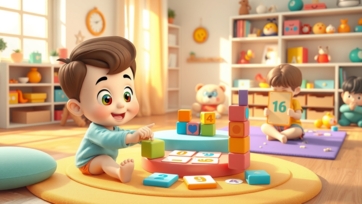
Hands-On Activities Using Math Toys:
Manipulative toys help children understand abstract concepts.
Recommended toys:
-
Counting blocks and beads
-
Number puzzles and stacking cups
-
Shape sorters and abacus
-
Simple board games with numbers
Hands-on play develops problem-solving skills and numerical understanding.
Introducing Measurement and Comparison Skills:
Comparisons and measurements enhance logical thinking and reasoning.
Easy activities:
-
Sorting big and small objects
-
Comparing long and short items
-
Counting and comparing quantities
-
Using cups or containers to measure ingredients
Early exposure prepares children for more advanced math concepts.
Challenges in Smart Math Learning and How to Solve Them:
Children may face difficulties initially.
Common issues:
-
Skipping numbers or sequences
-
Confusing number shapes
-
Short attention span
Solutions:
-
Keep learning sessions short and playful
-
Use visual aids and hands-on methods
-
Praise curiosity and effort rather than speed
Patience and repetition are key to every child’s success.
Tips for Parents for Smart Math Learning:
-
Make math learning playful and fun
-
Repeat concepts regularly
-
Use real-life objects for practice
-
Encourage hands-on exploration
-
Praise curiosity and effort consistently
Consistency and positivity are more important than formal lessons.
Digital Tools to Support Smart Math Learning:
Digital platforms can complement hands-on learning if used wisely.
Best practices:
-
Choose educational apps or videos only
-
Limit screen time
-
Participate alongside your child
-
Combine digital activities with hands-on play
Websites like learn-kids.com provide safe, structured, and interactive math exercises for kids.
Final Thoughts:
Smart math learning activities for kids are most effective when they are interactive, fun, and hands-on. Through counting, number recognition, patterns, addition, subtraction, games, songs, and daily routines, children develop a strong foundation in math while building confidence and curiosity.
Parents and teachers play a vital role in making math enjoyable and meaningful. Early exposure to smart activities ensures children develop lifelong problem-solving and learning skills.