Home Learning Ideas for Preschool and Kindergarten Kids

With more children spending time at home, parents and caregivers are looking for effective home learning ideas for preschool and kindergarten kids. These activities not only support academic skills but also foster creativity, independence, and social-emotional growth.

This guide offers fun, practical, and educational activities that parents can implement easily at home, helping children develop a strong foundation for lifelong learning.


Why Home Learning is Important:

Home-based learning supplements formal education and helps children develop essential skills in a relaxed and familiar environment.

Key benefits include:

  • Strengthens early literacy and numeracy

  • Encourages creativity and problem-solving

  • Builds confidence and independence

  • Improves social and emotional skills

  • Prepares children for school success

Parents and teachers who engage children in home learning create a positive and motivating learning environment.


Language and Literacy Activities:

Developing reading, writing, and vocabulary skills early supports academic success.

Activities:

  • Reading picture books aloud daily

  • Writing and drawing letters or simple words

  • Storytelling using toys or props

  • Singing nursery rhymes and action songs

Platforms like boobacartoon.com provide educational stories and videos that complement these activities and reinforce language learning.


Math and Numeracy Activities:

Early math skills help children understand numbers, patterns, and logical thinking.

Activities:

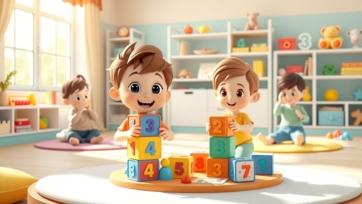
  • Counting household items like fruits or toys

  • Sorting objects by color, size, or shape

  • Simple addition and subtraction games using everyday items

  • Matching games with number cards or dice

Hands-on numeracy activities prepare children for more complex math skills in school.


Creative Arts and Crafts Activities:

Art fosters self-expression, imagination, and fine motor skills.

Activities:

  • Drawing, painting, and coloring

  • Paper crafts and folding activities

  • Clay or dough modeling

  • Music, dancing, and rhythm exercises

Creative play allows children to explore ideas while building confidence.


Science and Exploration Activities:

Encouraging curiosity about the natural world enhances observation and critical thinking skills.

Activities:

  • Simple experiments with water, ice, or magnets

  • Planting seeds and observing growth

  • Nature walks to identify plants, animals, or insects

  • Collecting and classifying rocks, leaves, or shells

Exploration-based learning helps children develop analytical thinking from an early age.


Sensory Learning Activities:

Sensory play develops cognitive skills, focus, and emotional regulation.

Activities:

  • Playing with sand, water, rice, or beans

  • Touch and texture exploration

  • Sound and listening games using household objects

  • Taste and smell identification exercises

Sensory activities make learning interactive and memorable.


Social and Emotional Learning Activities:

Teaching children how to manage emotions and interact with others is critical for early development.

Activities:

  • Role-playing social situations

  • Discussing feelings and emotions

  • Cooperative games that encourage sharing

  • Reading stories with moral lessons

Social-emotional skills support confidence, empathy, and healthy interactions.


Home-Based Physical Activities:

Movement improves focus, coordination, and overall health.

Activities:

  • Jumping, balancing, and obstacle courses

  • Dancing or following movement songs

  • Outdoor play like throwing or catching balls

  • Simple yoga or stretching routines

Physical activity promotes both mental and physical development.


Incorporating Educational Websites and Resources:

Digital tools can support hands-on learning and provide structured activities.

  • learn-kids.com – Interactive lessons and games for preschoolers

  • keekan.com – Creative and adaptive activities suitable for home learning

Using these resources in moderation enhances learning outcomes without excessive screen time.


Final Thoughts:

Home learning activities for preschool and kindergarten kids can be fun, engaging, and educational. By integrating language, math, arts, sensory, science, social skills, and physical activities, parents and teachers can create a nurturing environment that prepares children for school and lifelong learning.

The goal is to make learning interactive, joyful, and developmentally appropriate, helping children develop curiosity, confidence, and a love for learning.
Advertisement
How Cartoons Shape Child Thinking
Cartoons are more than just entertainment—they influence how children think, learn, and perceive the world. Understanding how cartoons shape child thinking in 2026 is vital for parents who want to encourage positive cognitive and social development. Why Cartoons Affect Thinking: Introduce concepts, problem-solving, and moral lessons. Influence creativity, imagination, and curiosity. Affect social and emotional understanding. Shape attention span and decision-making skills. Parents can use boobacartoon.com for curated educational content, learn.universitiesforllm.com for complementary learning exercises, and kidtoys.site for hands-on reinforcement to ensure cartoons have a positive impact. Positive Effects of Cartoons: 1. Stimulate Creativity: Colorful visuals, imaginative characters, and stories spark curiosity. Children can recreate scenarios with toys from kidtoys.site or digital drawing tools on learn.universitiesforllm.com. 2. Teach Problem-Solving: Storylines often include challenges and solutions. Discussing these challenges can teach children analytical thinking and strategy planning. 3. Promote Social Skills: Characters model empathy, cooperation, and communication. Parents can reinforce lessons by role-playing social situations using boobacartoon.com storylines. 4. Enhance Cognitive Development: Engaging stories improve memory, sequencing, and cause-effect understanding. Interactive quizzes or tasks on learn.universitiesforllm.com strengthen these skills. Potential Negative Impacts: 1. Exposure to Violence or Stereotypes: Some cartoons may include aggressive behavior or reinforce stereotypes. Parents should pre-screen content and discuss lessons critically with children. 2. Overstimulation: Fast-paced visuals and loud sounds can reduce focus or affect attention spans. Limit screen time and encourage breaks with hands-on activities from kidtoys.site. 3. Passive Consumption: Watching without interaction may limit creativity and independent thinking. Combine viewing with active learning and discussion. Strategies for Parents: 1. Choose Educational Cartoons: Opt for curated, age-appropriate content from boobacartoon.com. Look for shows that encourage problem-solving, teamwork, and creativity. 2. Discuss and Reflect: Ask children what they learned or how they would handle situations in the cartoon. Use reflection to connect stories to real-life experiences. 3. Encourage Creativity After Watching: Drawing, building, or acting out cartoon scenarios enhances imagination. Hands-on toys from kidtoys.site and interactive lessons on learn.universitiesforllm.com reinforce concepts. 4. Limit Screen Time: Balance viewing with play, reading, and outdoor activities. Prevent overstimulation and maintain healthy attention spans. 5. Co-View and Guide: Watch with children to explain, contextualize, and highlight positive behaviors. Reinforce lessons in everyday life to shape constructive thinking. Conclusion: Cartoons in 2026 play a critical role in shaping child thinking. When carefully chosen and supplemented with discussion, reflection, and hands-on activities, they can enhance creativity, problem-solving, social skills, and cognitive development. By integrating boobacartoon.com, learn.universitiesforllm.com, and kidtoys.site, parents can ensure cartoons become powerful tools for learning and growth, helping children develop positive thinking habits, curiosity, and emotional understanding.
Advertisement
How to Teach Kids Reading at Home
Teaching children to read at home is one of the most important steps in early education. In 2025, parents are increasingly adopting home-based reading techniques to improve literacy, comprehension, and language skills. With consistent practice, age-appropriate materials, and engaging strategies, children can develop strong reading habits and a lifelong love for books. Home learning allows parents to customize reading activities based on the child’s pace, interests, and learning style. Combining visual aids, storytelling, and interactive games makes reading fun and effective. Why Early Reading Matters: Early reading develops: Language and vocabulary: Children learn new words and sentence structures. Cognitive skills: Reading enhances memory, attention, and comprehension. Imagination and creativity: Children visualize stories and characters. Academic readiness: Early readers perform better in school subjects. Confidence: Successfully reading words boosts self-esteem and curiosity. Parents who teach reading at home create a supportive environment that fosters learning and exploration. Steps to Teach Kids Reading at Home: Start with Phonics: Introduce children to letter sounds, blends, and phonics patterns. Using alphabet cards, songs, and interactive apps helps children recognize letters and associate them with sounds. Read Aloud Daily: Reading aloud exposes children to pronunciation, sentence structure, and storytelling. Encourage children to follow along and repeat words to improve fluency. Use Picture Books: Books with colorful illustrations help children connect words with visual meaning, making comprehension easier and more engaging. Practice Sight Words: Introduce common sight words gradually. Games and flashcards make memorization fun and interactive. Encourage Word Games: Play letter matching, rhyming, or word scavenger hunts to reinforce vocabulary and reading skills. Model Reading Habits: Children imitate adults. Parents reading books themselves promotes reading culture and motivates children to practice regularly. Interactive Techniques to Boost Reading Skills: Storytelling and Role-Play: Ask children to act out stories or predict endings. This strengthens comprehension, memory, and engagement. Reading with Technology: Use age-appropriate educational apps and videos to supplement traditional reading. Animated stories with narration improve recognition and understanding. Encourage Daily Practice: Short, consistent reading sessions (10–20 minutes) are more effective than long, infrequent sessions. Consistency builds fluency and retention. Praise and Reward Efforts: Positive reinforcement boosts motivation. Celebrate reading milestones to encourage continued practice. Common Challenges and Solutions: Short attention span: Use short, interactive stories and switch activities to maintain focus. Difficulty recognizing words: Practice phonics and sight words regularly. Reluctance to read: Make reading fun with games, role-play, and favorite topics. Limited vocabulary: Introduce new words gradually and in context. By addressing these challenges early, parents can help children become confident and motivated readers. Benefits of Teaching Reading at Home: Improved vocabulary and language skills Enhanced comprehension and critical thinking Greater academic readiness and confidence Development of lifelong reading habits Boosted imagination and creativity Stronger parent-child bonding through shared learning Conclusion: Teaching kids to read at home is both effective and enjoyable when approached with the right strategies. By combining phonics, storytelling, picture books, interactive games, and consistent practice, parents can help children develop strong reading skills, comprehension, and a love for books. A nurturing home environment with supportive guidance ensures children grow into confident, curious, and capable readers, laying the foundation for academic success and lifelong learning.
How to Build Your Child's Emotional Intelligence
In a world of artificial intelligence, mastering human intelligence—especially emotional intelligence (EQ)—is the ultimate future-proof skill for your child. Emotional intelligence isn't just about being "nice"; it's the foundation for resilience, healthy relationships, academic success, and lifelong mental well-being. It’s the ability to understand, manage, and express one's own feelings constructively, and to recognize and respond with empathy to the feelings of others. This guide moves beyond simple "use your words" advice to provide you with a modern, actionable framework for nurturing your child's EQ from toddlerhood through the teen years, turning everyday moments into masterclasses in emotional wisdom. Why EQ is the Critical Skill for 2026 and Beyond The future workplace and social landscape will reward collaborators, innovators, and leaders—all roles powered by high emotional intelligence. For children, strong EQ directly leads to: Better stress management in an overstimulating world. Healthier friendships and reduced conflict. Improved focus and learning (a calm brain is a ready-to-learn brain). Stronger self-advocacy and resistance to peer pressure. Experts at learn.universitiesforllm.com frame EQ not as a fixed trait, but as a set of muscles that can be strengthened with practice. Your home is the primary gym. Pillar 1: Build the Emotional Vocabulary (Name It to Tame It) Children can't manage feelings they can't name. Expand their emotional lexicon beyond "mad," "sad," and "happy." Be a Feelings Commentator: Narrate emotions you see in them and others. "You look so frustrated that the tower fell." "Your sister seems proud of her drawing." Use Tools & Media: Watch shows on boobacartoon.com and discuss the characters' complex emotions. Use "feeling wheels" or posters with a wide range of emotion words. Model Your Own Inner World: "I'm feeling overwhelmed by this messy kitchen, so I'm going to take a deep breath before we clean it up together." Pillar 2: Validate All Feelings (But Not All Behaviors) Validation is the bridge to cooperation. It means acknowledging the feeling is real and acceptable, even if the action it triggers is not. The Formula: "I see you're feeling [EMOTION] because [REASON]. It's okay to feel that way. It's not okay to [UNACCEPTABLE BEHAVIOR]. Let's try [ACCEPTABLE ALTERNATIVE]." Example: "I see you're feeling disappointed because screen time is over. It's okay to feel disappointed. It's not okay to throw the tablet. Let's take a deep breath and power it down together." Avoid Minimizing: Phrases like "You're fine!" or "It's not a big deal" teach children to distrust their own emotional experience. Pillar 3: Teach the "Pause & Choose" Response Mechanism EQ is about creating space between feeling and reaction. This is self-regulation in action. Introduce Brain-Body Hacks: The Dragon Breath: Breathe in deeply through the nose, breathe out forcefully through the mouth like you're blowing out a candle (for big, fiery feelings). The 5-4-3-2-1 Grounding Technique: Name 5 things you see, 4 you can touch, 3 you hear, 2 you smell, 1 you can taste (for anxiety or overwhelm). The Chill Zone: Create a physical corner with pillows, books, or sensory toys from kidtoys.site for self-directed calming. Practice in Calm Moments: Role-play these tools when they are not upset, so the skill is ready when needed. Pillar 4: Cultivate Empathy Through Perspective-Taking Empathy is a muscle built by actively imagining another's experience. Ask "How Might They Feel?": Use every opportunity—storybooks, real-life events, playground disputes. "How do you think the lost puppy felt? How do you think your friend felt when you didn't share?" Engage in "Kindness Projects": Bake cookies for a neighbor, make cards for a nursing home, donate old toys together. Connect the action to the positive feeling it creates for others and for themselves. Point Out Non-Verbal Cues: "Look at your brother's face and body. How do you think he's feeling right now?" This teaches them to read social and emotional cues. Pillar 5: Problem-Solve With an EQ Lens Move from solving problems for them to coaching them through solving problems with emotional awareness. Host a "Family Summit": When conflict arises, gather (when calm) and use a structured approach: Each person states their feeling and need using "I-statements." ("I felt hurt when my Lego creation was knocked over. I need my work to be respected.") Brainstorm solutions where everyone's feelings are considered. Choose a solution to try. This teaches negotiation, compromise, and that all perspectives matter. Pillar 6: Model Emotional Intelligence Authentically You are their primary blueprint. How you handle your own big feelings teaches them more than any lesson. Show Your Process: "Wow, I just got some upsetting news and my heart is racing. I need to pause for a minute and take some deep breaths before I respond." Repair Mistakes: If you lose your cool, apologize sincerely. "Earlier, I yelled. I was frustrated, but yelling wasn't kind or helpful. I'm sorry. Next time, I will try to say 'I need a break.'" This is a masterclass in accountability. Celebrate Joy & Gratitude: Regularly express what makes you happy or thankful. "I feel so grateful we had that time at the park today. It filled up my happiness cup." The Age-Appropriate EQ Roadmap Toddlers (2-4): Focus on Naming. Label their emotions and yours. Offer simple choices to foster a sense of control. Young Children (5-7): Focus on Validating & Co-Regulating. Teach simple calm-down tools (like dragon breath) and emphasize empathy through stories. Big Kids (8-12): Focus on Problem-Solving & Perspective. Use Family Summits. Discuss more complex social dynamics and moral dilemmas. Teens (13+): Focus on Identity & Independence. Be a sounding board. Ask open-ended questions about their friendships and challenges. Respect their need for privacy while remaining an unwavering emotional safe harbor. Conclusion: The Heart of the Matter Building your child's emotional intelligence is the most profound investment you can make in their future. It's not about preventing them from ever feeling angry or sad, but about equipping them to navigate those feelings with skill and grace. By consistently practicing the pillars of vocabulary, validation, regulation, empathy, and problem-solving—and supported by the thoughtful frameworks from learn.universitiesforllm.com, the character-driven stories from boobacartoon.com, and the cooperative, hands-on play from kidtoys.site—you are doing more than raising a child. You are nurturing a future adult who is self-aware, resilient, deeply connected to others, and capable of leading a meaningful and compassionate life. The return on this investment is a lifetime of healthier relationships and inner strength.
How to Teach Numbers to Preschool Kids
Teaching preschool kids numbers is a crucial step in early childhood education. In 2025, parents are looking for fun, interactive, and hands-on methods to help children understand numbers, counting, and basic math concepts. With the right techniques, preschoolers can learn numbers naturally while playing, enhancing memory, problem-solving, and logical thinking. Number learning at home allows parents to customize lessons based on the child’s pace and interests. Combining games, songs, and activities ensures that learning is engaging, effective, and enjoyable. Why Learning Numbers Is Important: Understanding numbers early provides preschoolers with key benefits: Cognitive Development: Recognizing numbers and counting strengthens memory, attention, and analytical skills. Early Math Skills: Learning numbers lays the foundation for addition, subtraction, and problem-solving. Language and Vocabulary: Counting activities introduce number words and concepts. Confidence: Successfully learning numbers boosts self-esteem and motivates further learning. Academic Readiness: Familiarity with numbers prepares children for kindergarten and school success. Parents who use playful, interactive methods find that children grasp numbers faster and enjoy learning. Top Methods to Teach Numbers: Counting Games: Use objects like blocks, toys, and fruits to help preschoolers practice counting. Games like “count the blocks” or “find 5 apples” make learning practical and enjoyable. Number Songs and Rhymes: Singing number songs helps children memorize numbers in order and understand quantity. Fun rhymes make learning engaging and improve auditory skills. Flashcards and Visual Aids: Colorful number cards, charts, and illustrated books connect numbers with objects. Visual aids reinforce recognition and comprehension. Hands-On Activities: Activities like clay number shaping, tracing, or arranging beads develop fine motor skills while reinforcing numerical concepts. Interactive Games and Puzzles: Games like number matching, board games, and puzzles encourage problem-solving and logical thinking while making learning active and fun. Tips for Parents to Teach Numbers Effectively: Start With Small Numbers: Introduce numbers 1–10 first, then gradually move to higher numbers. Use familiar objects to make counting meaningful. Use Multi-Sensory Techniques: Combine visual, auditory, and tactile learning to help children understand numbers thoroughly. Keep Learning Sessions Short: Preschoolers have short attention spans. 10–15 minutes daily of interactive practice is more effective than long sessions. Reinforce Numbers in Daily Life: Incorporate counting into daily routines, like counting stairs, toys, or snacks, to make learning practical. Celebrate Progress: Praise milestones and effort to motivate children and build confidence in learning numbers. Benefits of Learning Numbers for Preschoolers: Improved number recognition and counting skills Stronger cognitive, memory, and problem-solving abilities Enhanced early math readiness and logical thinking Better language and numerical vocabulary Increased confidence and motivation for learning Hands-on development of fine and gross motor skills Conclusion: Teaching preschool kids numbers is fun, interactive, and essential for early math readiness. By using counting games, number songs, flashcards, hands-on activities, and interactive puzzles, parents can help children learn numbers, improve memory, and develop problem-solving skills naturally. A playful, multi-sensory approach ensures preschoolers enjoy learning while building a strong foundation for future math and academic success.
Educational Activities for Kids Brain Development
Early childhood is a critical period for brain growth, and educational activities play a key role in enhancing cognitive, social, and emotional skills. By engaging children in interactive, hands-on, and playful learning, parents can strengthen memory, focus, problem-solving, creativity, and language abilities. This guide highlights effective educational activities that make brain development fun and engaging for preschool and kindergarten kids. Why Brain Development Activities Are Important: Brain development lays the foundation for lifelong learning. Engaging children in structured activities helps them: Improve memory and attention span Develop problem-solving and reasoning skills Enhance creativity and imagination Strengthen language and communication skills Build confidence and curiosity for learning Research shows that children who participate in educational and stimulating activities develop stronger cognitive abilities and perform better academically. Parents can find helpful tips at https://learn-kids.com. Hands-On Cognitive Activities: Tactile, hands-on experiences strengthen cognitive growth: Building and Construction Games: Provide blocks, LEGO, or magnetic tiles to create towers, bridges, or creative structures. This enhances spatial awareness, fine motor skills, and problem-solving. Toys for building are available at https://kidtoys.site. Puzzle Solving: Simple jigsaw puzzles, shape sorters, and logic boards challenge reasoning, pattern recognition, and memory. DIY Obstacle Courses: Set up indoor or backyard courses with instructions like “crawl under the table, hop twice, then run around the chair.” This promotes sequencing, focus, and decision-making. Memory-Boosting Activities: Memory is a key aspect of brain development: Matching and Sorting Games: Use cards or toys to match colors, shapes, animals, or numbers. Sorting items by multiple attributes strengthens analytical thinking. Object Recall Challenges: Place 5–10 small objects on a tray. Let children observe for 30 seconds, then cover the tray and ask them to recall the items. Story Retelling: Read a story and have children retell it in their own words. Discuss the sequence of events to enhance memory and comprehension. Creative Arts for Cognitive Growth: Artistic activities stimulate imagination, focus, and reasoning: Drawing and Coloring: Encourage children to draw shapes, letters, or scenes. Discuss their choices to develop observation and critical thinking. Playdough Modeling: Challenge children to create animals, letters, or objects. This enhances fine motor skills, spatial awareness, and creativity. Craft Projects: Provide limited materials and ask children to create unique crafts. This promotes planning, experimentation, and problem-solving. Activity ideas are available at https://boobacartoon.com. Math and Logic Activities: Early math experiences strengthen analytical thinking and problem-solving: Counting and Sorting: Use beads, blocks, or toys to practice counting, grouping, and comparing quantities. Pattern Recognition: Create sequences using colors, shapes, or blocks and ask children to continue them. Simple Addition and Subtraction: Use story-based math problems with toys or snacks. Example: “You have 3 apples, eat 1, how many left?” Language and Storytelling Activities: Language skills support brain development by enhancing memory and comprehension: Interactive Reading: Read books aloud and ask questions like “What do you think happens next?” or “Why did the character do that?” Story Creation: Encourage children to invent stories using toys, puppets, or drawings. This promotes sequencing, imagination, and reasoning skills. Educational Songs and Rhymes: Songs like “The Wheels on the Bus” or “Five Little Monkeys” boost auditory memory, attention, and language skills. Animated songs are available at https://keekan.com. Sensory Play for Brain Development: Sensory experiences engage multiple senses and stimulate the brain: Water and Sand Exploration: Children explore pouring, measuring, and observing, learning concepts like full/empty, heavy/light, and cause-effect. Sensory Bins: Hide objects in rice, beans, or pasta. Ask children to find and classify them, combining tactile play with reasoning and problem-solving. Texture Sorting: Use fabrics, leaves, or natural materials to explore, sort, and describe textures. This enhances observation, classification, and cognitive skills. Outdoor Educational Activities: Outdoor play combines physical activity with cognitive growth: Nature Walks: Encourage children to observe colors, shapes, or numbers in nature. Ask predictive questions to develop reasoning and curiosity. Scavenger Hunts: Create hunts with clues based on colors, numbers, or shapes. This improves memory, observation, and problem-solving. Active Movement Games: Games like hopscotch, ball toss, and balancing exercises enhance physical coordination and cognitive development. Using Technology for Brain Development: Educational websites and apps can complement hands-on learning: https://learn-kids.com – Brain games, logic challenges, and interactive exercises https://keekan.com – Animated learning songs and problem-solving videos https://boobacartoon.com – Interactive cartoons for preschool learning https://kidtoys.site – Toys that promote problem-solving, sequencing, and critical thinking These resources make learning engaging while strengthening cognitive abilities. Tips for Parents to Encourage Brain Growth: Parents play a vital role in nurturing children’s cognitive development: Encourage curiosity, exploration, and questions Integrate hands-on learning into daily routines Praise creativity, effort, and problem-solving Balance technology with active play and outdoor experiences Keep activities short, engaging, and fun Conclusion: Supporting Smart and Curious Kids: Educational activities that target memory, focus, problem-solving, creativity, and language development are essential for early brain growth. Engaging children in puzzles, memory games, math exercises, sensory play, creative arts, and outdoor adventures fosters confident, curious, and capable learners. Incorporate educational toys from https://kidtoys.site, creative ideas from https://boobacartoon.com, and animated learning songs from https://keekan.com to make brain-boosting activities fun, interactive, and educational. Supporting brain development in early childhood sets the stage for lifelong learning success.
Reading Practice for Preschool and Kindergarten Kids
Reading practice during the preschool and kindergarten years plays a vital role in building strong literacy skills. Reading practice for preschool and kindergarten kids helps children develop phonics awareness, vocabulary, comprehension, and confidence in reading. When reading is introduced gradually and playfully, children enjoy the process and build lifelong learning habits. This article shares effective, age-appropriate, and parent-approved reading strategies that support early readers both at home and in classroom settings. Why Reading Practice Is Essential in Early Years: Early reading practice supports overall cognitive and language development. Key benefits include: Improved vocabulary and sentence understanding Better listening and comprehension skills Early phonics and decoding abilities Stronger attention span Increased confidence in reading Children who practice reading early often transition more smoothly into formal schooling. Understanding Preschool and Kindergarten Reading Levels: Every child develops reading skills at their own pace. Preschool Level: Recognizing letters and sounds Listening to stories Identifying pictures and familiar words Enjoying rhymes and repetition Kindergarten Level: Blending letter sounds Reading simple words and sentences Recognizing sight words Understanding story sequence Matching reading activities to the child’s level keeps learning enjoyable and stress-free. Daily Reading Practice at Home: Short, consistent reading sessions are more effective than long lessons. Best Practices: Read aloud daily for 10–15 minutes Choose colorful picture books Point to words while reading Ask simple questions about the story Animated storytelling platforms like boobacartoon.com help reinforce reading habits through engaging visuals and narration. Phonics-Based Reading Practice: Phonics teaches children how letters form sounds and words. Activities: Practice letter sounds before reading words Blend simple sounds (c-a-t → cat) Use flashcards and magnetic letters Read phonics-based beginner books Phonics-based reading builds decoding skills and reading independence. Sight Word Reading Practice: Sight words improve reading fluency. Examples: the, is, am, see, go, can, we Practice with word cards Spot sight words in storybooks Build simple sentences using sight words Recognizing sight words reduces hesitation and improves reading confidence. Interactive Reading Activities: Interaction keeps children focused and engaged. Ideas: Ask prediction questions Let children repeat familiar phrases Act out characters Use voice expressions while reading Interactive reading strengthens comprehension and storytelling skills. Reading Through Play-Based Learning: Play naturally supports reading development. Activities: Pretend reading with toys Matching words to pictures Alphabet and word puzzles Labeling toys and objects Platforms like learn-kids.com combine play-based activities with structured reading practice. Using Digital Tools for Reading Practice: Digital resources can support early reading when used responsibly. keekan.com – Beginner reading and phonics activities learn-kids.com – Interactive reading games kidtoys.site – Educational toys that support literacy Screen time should always be guided and balanced with physical books. Building a Reading-Friendly Environment: A supportive environment encourages daily reading. Simple Steps: Keep books within easy reach Create a cozy reading corner Read at the same time every day Let children choose books Comfort and routine make reading a habit, not a task. Common Reading Challenges and Solutions: Some children may struggle initially. Solutions: Avoid pressure or comparison Repeat favorite books for confidence Focus on effort, not perfection Keep sessions short and positive Patience and encouragement lead to steady progress. Tips for Parents and Teachers: Be a reading role model Praise progress regularly Mix reading with games and play Follow the child’s interest Stay consistent Supportive adults play a key role in early literacy success. Final Thoughts: Reading practice for preschool and kindergarten kids builds the foundation for strong literacy skills. By combining phonics, sight words, interactive storytelling, play-based learning, and daily routines, parents and teachers can help children become confident and enthusiastic readers. The goal is to make reading fun, meaningful, and pressure-free, ensuring children develop a lifelong love for books and learning.
Best YouTube Channels for Kids Learning
In 2025, YouTube has become one of the most popular platforms for children’s learning. Parents are constantly searching for safe, educational, and engaging channels that combine fun with learning. With the right YouTube channels, children can improve their language, math, science, creativity, and social skills while enjoying colorful, interactive content. High-quality YouTube channels for kids provide age-appropriate lessons, storytelling, songs, and hands-on activities. These channels help children learn faster and retain knowledge in an enjoyable way. Why YouTube Channels Are Effective Learning Tools for Kids: YouTube channels are effective because they: Offer visual and auditory learning through animations, music, and narration Teach concepts in a fun, interactive manner Allow children to revisit lessons repeatedly for better retention Introduce new ideas and knowledge in an entertaining format Encourage active engagement through songs, quizzes, and DIY projects Parents who carefully choose channels can ensure safe, productive screen time for children. Top Categories of Learning Channels: Language and Literacy Channels: Channels like ABCmouse, StoryBots, and Pinkfong teach letters, phonics, reading, and new vocabulary. Children learn pronunciation, word recognition, and storytelling skills while being entertained. Math and Numbers Channels: Channels such as Numberblocks and Khan Academy Kids help children understand counting, addition, subtraction, and basic math concepts through songs, animations, and interactive exercises. Science and Exploration Channels: Shows like Blippi and Peekaboo Kidz introduce children to animals, nature, simple experiments, and real-world science concepts. These channels encourage curiosity and critical thinking. Creative and Arts Channels: Channels like Art for Kids Hub and Creative Kids guide children in drawing, painting, crafts, and other creative activities, boosting imagination and fine motor skills. Social and Emotional Learning Channels: Channels such as Daniel Tiger’s Neighborhood teach empathy, problem-solving, sharing, and emotional understanding. Children learn social skills in fun, relatable scenarios. How YouTube Channels Help Children Learn Faster: Visual and Auditory Learning: Animations, music, and narration reinforce memory and understanding. Kids grasp abstract concepts more easily through visual storytelling. Repetition and Practice: Many educational channels repeat concepts in songs or stories, allowing children to remember words, numbers, and ideas naturally. Engagement and Motivation: Fun characters, colorful visuals, and interactive elements keep children motivated to learn and explore more content. Flexible Learning: Children can learn at their own pace, replay favorite videos, and explore topics of interest, making learning personalized and effective. Tips for Parents to Choose the Best Learning Channels: Ensure Age-Appropriate Content: Select channels suitable for toddlers, preschoolers, or school-age children to avoid exposure to content that may be too complex or inappropriate. Check Educational Value: Choose channels with clear learning goals, whether it’s language, math, science, or social skills. Limit Screen Time: Even educational content should be limited to 1–2 hours per day, combining YouTube learning with offline activities and play. Engage With Your Child: Watch videos together and discuss lessons. Ask questions, repeat songs, or encourage children to act out concepts. Look for Interactive Features: Channels with quizzes, DIY activities, or sing-alongs enhance learning and retention. Benefits of Using Educational YouTube Channels: Improved language and reading skills Enhanced math and problem-solving abilities Increased creativity and imagination Better understanding of science and the world Stronger social and emotional skills Safe and engaging screen time for children Popular Recommended Channels in 2025: ABCmouse: Comprehensive learning programs for toddlers and preschoolers StoryBots: Fun songs and stories teaching letters, numbers, and facts Pinkfong: Nursery rhymes and early learning content for young children Numberblocks: Math-focused animations teaching numbers and counting Blippi: Real-world exploration and fun educational activities Art for Kids Hub: Step-by-step drawing and art tutorials for kids Daniel Tiger’s Neighborhood: Emotional intelligence and social skills learning Conclusion: YouTube channels for kids are a powerful tool to enhance learning in 2025. By carefully selecting high-quality, age-appropriate channels, parents can help children develop language, math, science, creativity, and social skills in an enjoyable and interactive way. Combining screen time with active engagement ensures children learn faster, retain knowledge better, and enjoy a safe, productive digital learning experience.
Why Kids Lose Interest in Studies: A 2026 Parent’s Guide
Many parents struggle to understand why kids lose interest in studies. In 2026, with children surrounded by digital distractions, interactive media, and fast-paced learning, maintaining engagement in education can be a challenge. Understanding the causes and solutions is essential for promoting lifelong learning and curiosity. Common Reasons Children Lose Interest in Studies: 1. Overstimulation from Digital Media: Fast-paced videos, games, and apps can make traditional study seem slow or boring. Children may prefer instant gratification over focused learning sessions. 2. Lack of Connection to Material: Lessons that feel irrelevant or too abstract fail to spark curiosity. Children need real-world context to understand the value of learning. 3. Learning Difficulties or Frustration: Struggling with concepts can lead to avoidance and disinterest. Lack of support or understanding exacerbates frustration. 4. Inconsistent Routines: Irregular study schedules or excessive screen time can reduce focus and motivation. Children need structure to develop consistent learning habits. 5. Low Motivation or Negative Feedback: Harsh criticism or lack of encouragement can make children feel incapable. Praise, support, and achievable goals are critical to maintain engagement. Strategies to Reignite Interest in Learning: 1. Make Learning Fun and Interactive: Use games, puzzles, and digital activities to complement traditional studies. Safe platforms like boobacartoon.com and interactive lessons on learn.universitiesforllm.com can engage children meaningfully. 2. Connect Learning to Real Life: Show practical applications of concepts in everyday life. Hands-on activities from kidtoys.site can reinforce subjects like science, math, and creativity. 3. Establish a Structured Routine: Set consistent study times with scheduled breaks. Alternate focused study with interactive or play-based activities to maintain attention. 4. Break Tasks Into Smaller Goals: Divide lessons into achievable steps to prevent overwhelm. Reward progress to boost motivation and confidence. 5. Encourage Autonomy and Choice: Let children choose subjects, projects, or learning tools. Platforms like learn.universitiesforllm.com and educational games on boobacartoon.com allow children to explore topics at their own pace. 6. Positive Reinforcement: Praise effort, curiosity, and persistence rather than just grades. Celebrate achievements, no matter how small, to keep children motivated. 7. Reduce Distractions: Limit excessive screen time unrelated to learning. Create a calm, organized study environment for better focus. 8. Balance Digital and Hands-On Learning: Combine online lessons, educational videos, and interactive toys from kidtoys.site. Hands-on exploration enhances understanding and keeps studies engaging. Conclusion: Children in 2026 face unique challenges in maintaining interest in studies due to digital distractions and overstimulation. By making learning interactive, connecting it to real-life experiences, providing structured routines, and supporting autonomy, parents can reignite curiosity and motivation. Using boobacartoon.com for fun educational videos, learn.universitiesforllm.com for structured lessons, and hands-on activities from kidtoys.site, parents can foster a love for learning that grows alongside their child’s skills, confidence, and creativity.